
How To
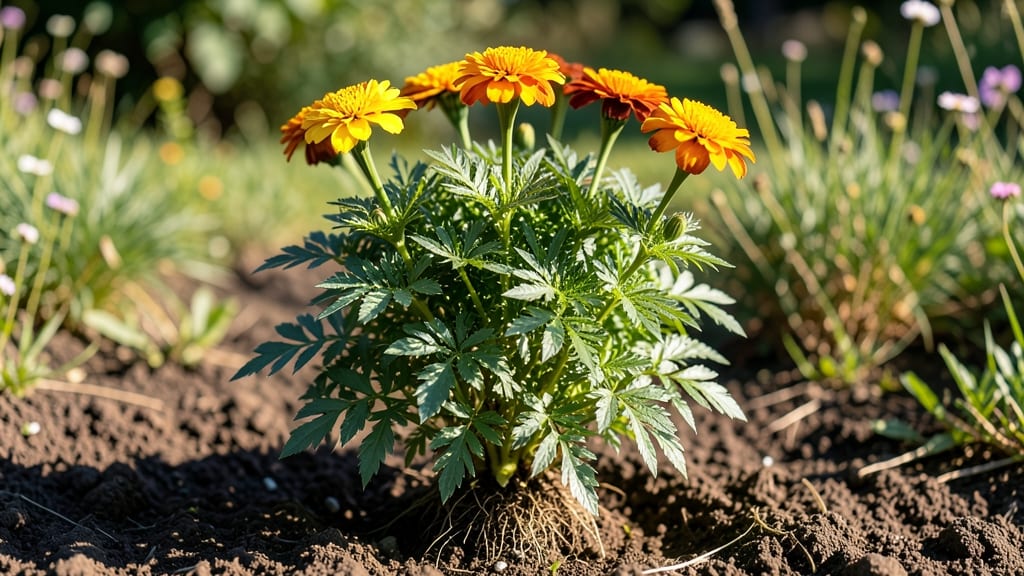
When planning your garden beds, knowing how tall do French marigolds grow can transform your layout from chaotic to stunning. These vibrant 🌼 beauties aren't just about color—they're garden workhorses that repel pests while adding height and texture to any space.
Most French marigolds reach 1 to 2 feet at maturity, but that's just the starting point. Varieties like 'Bonanza' can stretch toward 2.5 feet when happy, while dwarf types stay compact at just 6-12 inches. The right cultivar makes all the difference for borders, containers, or pollinator-friendly plantings.
Sunlight, soil quality, and even your pruning habits play starring roles in their final height. Too much shade? Expect leggy growth. Skip the deadheading? You'll get fewer blooms but potentially taller stems.
Let's break down exactly what to expect from each popular variety and how to coax the perfect height from your plants.
Whether you're designing a privacy screen or edging a flower bed, understanding these growth patterns helps you create a cohesive look that thrives all season. Ready to turn your garden vision into reality? Let's dive into the specifics that will make your French marigolds shine.


French marigold height ranges by popular variety (with garden uses)
French marigolds (Tagetes patula) are the showstoppers of summer borders, but their height varies dramatically by variety. Understanding these differences helps you choose the perfect plants for containers, garden edges, or pollinator-friendly hedges.
Tall varieties like 'Jolly Tall' reach 24 inches, while dwarf types like 'Tom Thumb' stay under 12 inches. Let’s break down the exact heights and best uses for 10 popular varieties.
I’ve grown these in my own USDA Zone 7b garden, and the height differences are striking—especially when planning companion plantings with tomatoes or peppers. The right variety can turn a 6-inch-tall dwarf into a 2-foot-tall privacy screen in just one season. Here’s what to expect from each:
| Variety | Height Range | Garden Use | Notes |
|---|---|---|---|
| 'Bonanza Yellow' | 18–24" | Mass plantings, borders | Attracts hoverflies; great for veggie gardens |
| 'Jolly Tall' | 20–24" | Privacy screens, containers | Needs staking; repels nematodes |
| 'Tangerine' | 12–18" | Edging, pollinator gardens | Drought-tolerant once established |
| 'Tom Thumb' | 6–12" | Window boxes, fairy gardens | Perfect for small spaces; deadhead for bushiness |
| 'Janie' | 12–15" | Cut flowers, containers | Long bloom time; resistant to powdery mildew |
| 'Fireball' | 12–18" | Butterfly gardens, borders | Heat-tolerant; great for southern climates |
| 'Gold Rush' | 15–20" | Mass plantings, pollinator strips | Attracts bees; self-cleaning blooms |
| 'Pumpkin' | 12–16" | Edging, containers | Unique pumpkin-shaped blooms |
| 'Petite Series' | 6–10" | Rock gardens, fairy gardens | Compact; great for ground cover |
| 'Safari' | 18–24" | Privacy screens, tall borders | Needs support; repels rabbits |
When planning your garden, consider how height affects pollinator attraction. Taller varieties like 'Jolly Tall' create vertical interest for bees, while dwarf types like 'Tom Thumb' work beautifully in container gardens on patios.
Pro tip: Mix heights for a natural, layered look—place taller varieties at the back and shorter ones in
How to control French marigold height for different garden styles
French marigolds are incredibly versatile, but their final height depends entirely on the variety and how you manage them. If you’re growing tall varieties like 'Jolly Tall' for privacy screens, you’ll need different techniques than if you’re using dwarf types like 'Baby Bush' for edging.
Let’s break down how to shape their growth for your specific garden goals.
The key to controlling height starts with proper spacing. Crowding plants forces them to compete for sunlight, resulting in leggy, weak growth. For standard varieties (1.5–2.5 ft), space them 10–12 inches apart. Dwarf types (6–12 in) can snuggle 6–8 inches apart without overcrowding.
This simple adjustment keeps them compact and bushy.
🌱 Height Control Tips by Garden Style
- 1. For tall hedges: Prune new growth by 1/3 in early summer to encourage branching. Use stakes or trellises for support.
- 2. For compact borders: Pinch back tips of stems when plants are 6–8 inches tall to promote bushiness.
- 3. For containers: Choose dwarf varieties and trim spent blooms regularly to prevent legginess.
- 4. For pollinator gardens: Let tall varieties grow freely—they attract more bees and butterflies when mature.
Seasonal pruning is another game-changer. In early spring, trim back last year’s growth by half to stimulate fresh, vigorous shoots. Throughout the growing season, deadhead spent blooms to redirect energy into new flowers and foliage instead of seed production. This keeps your marigolds full and healthy all season long.
Light and soil also play a role in height control. Full sun (6+ hours daily) promotes upright, sturdy growth, while partial shade can lead to elongated, floppy stems.
Amend your soil with compost to ensure balanced nutrition—too much nitrogen-rich fertilizer will send your marigolds reaching for the sky instead of staying compact.
If your marigolds are already too tall or leggy, don’t panic. Prune aggressively in late summer to encourage a second flush of blooms before frost. For container-grown plants, you can even top them back by half and they’ll bounce back beautifully.
The key is consistency—regular maintenance keeps them at your desired height.
Finally, consider your garden’s microclimate. In hot, southern climates, marigolds may grow taller and faster, while northern gardens might see shorter, stockier plants.
Adjust your spacing and pruning accordingly to match your local conditions. With these techniques, you’ll have French marigolds tailored perfectly to your garden’s style and needs! 🌿