
Flowers
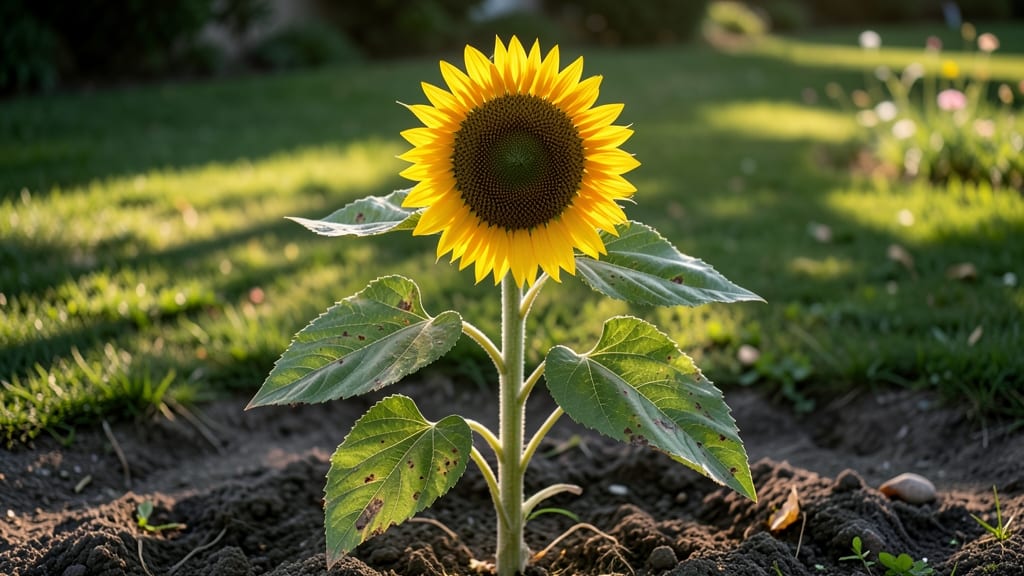
Giant sunflower varieties and their exact maximum heights
If you're planning a sunflower garden that looks like a sunflower field from a storybook, you’ll want to focus on the giant sunflower varieties known for their staggering heights. These towering beauties aren’t just for show—they’re a testament to nature’s ability to grow plants that can rival small trees.
But not all giant sunflowers reach the same heights, and their potential depends heavily on the variety you choose and the growing conditions you provide.
The tallest sunflower varieties can grow between 12 and 16 feet, but some exceptional specimens have even shattered these records.
For example, the Russian Giant and American Giant varieties are famous for their impressive stature, while Mammoth sunflowers are a favorite among home gardeners for their reliability and height potential.
Understanding the exact heights of these varieties will help you plan your garden layout, choose support structures, and even decide whether to plant them near your property line.
Here’s a breakdown of the most popular giant sunflower varieties, their recorded maximum heights, and the ideal conditions to coax them into reaching their full potential.
Whether you're aiming for a sunflower that tops your fence or one that could rival a small tree, this guide will help you set realistic expectations and maximize growth.
🌻 Giant Sunflower Varieties and Heights
| Variety | Average Height | Recorded Height | Ideal Conditions |
|---|---|---|---|
| Russian Giant | 14-16 ft | 18+ ft (recorded) | Full sun, rich soil, consistent water |
| American Giant | 12-15 ft | 16+ ft (recorded) | Warm climate, deep soil, staking |
| Mammoth | 10-14 ft | 15 ft (recorded) | Full sun, balanced fertilizer, support |
| Autumn Beauty | 8-12 ft | 13 ft (recorded) | Moderate sun, well-draining soil |
| Giant Russian | 15-18 ft | 20+ ft (recorded) | Extreme heat, deep soil, high nutrients |
Note: Recorded heights are from competitive growing events and may require optimal conditions.
The Russian Giant and Giant Russian varieties are the heavyweights of the sunflower world, capable of reaching heights that can make your neighbors take notice. However, achieving these recorded heights isn’t just about planting the seeds—it’s about creating the perfect environment.
These varieties thrive in full sun, deep, nutrient-rich soil, and with consistent watering. If you’re in a region with a long growing season and warm temperatures, you’ll have the best chance of coaxing your sunflowers to reach their maximum potential.
For home gardeners, the Mammoth variety is often the best choice because it’s hardier and more forgiving of less-than-perfect conditions. While it may not reach the 18-foot heights of its Russian cousins, it can still grow 10 to 14 feet tall with the right care.
This makes it a great option for those who want a dramatic focal point in their garden without requiring extreme growing conditions.
If you’re aiming for a sunflower that can dwarf your fence or even your house, focus on planting in well-draining soil with plenty of organic matter.
A balanced fertilizer applied every 4-6 weeks during the growing season can also give your sunflowers the nutrients they need to reach their full height.
Additionally, staking your sunflowers early can prevent them from lodging (falling over) as they grow taller, ensuring they stay upright and continue to soak up that essential sunlight.
One thing to keep in mind is that giant sunflowers require ample space. Planting them too closely together can stunt their growth, as they’ll compete for nutrients, water, and sunlight. Aim for a spacing of 12 to 18 inches between plants to give them room to grow.
If you’re planting multiple rows, space them 3 to 4 feet apart to allow for easy access and maintenance.
While giant sunflowers are stunning, they do come with a few trade-offs. Their tall stature makes them more susceptible to lodging, especially in windy conditions.
Additionally, their large seed heads can attract pests like birds and squirrels, so you may need to take extra precautions to protect your harvest. Despite these challenges, the reward of watching a sunflower grow from a tiny sprout to a towering giant is well worth the effort.
If you’re ready to plant giant sunflowers in your garden, start by choosing the variety that best fits your climate and space. Then, prepare your soil, provide consistent care, and get ready to be amazed as your sunflowers reach for the sky.
With the right conditions, you could have sunflowers that outshine everything else in your garden—literally!
How sunflower height develops: weekly growth stages and milestones
Sunflowers don’t grow overnight—they follow a precise timeline from tiny sprouts to towering giants. Understanding their weekly growth stages helps you track progress and adjust care for maximum height. Most giant varieties like Russian Giant or Mammoth reach their full potential with the right conditions, but timing is everything.
In the first 2-3 weeks, you’ll see rapid root and stem development. A healthy seedling should sprout within 7-10 days, reaching 3-6 inches tall by week 3.
This is when they’re most vulnerable to pests or poor soil, so keep the area moist but not soggy and protect from strong winds.
🌱 Weekly Growth Milestones for Giant Sunflowers
- Week 1-2: Germination (0-1 in) – Keep soil warm and moist.
- Week 3-4: Seedling (3-6 in) – Thin to 12 inches apart.
- Week 5-6: Rapid Stem Growth (1-3 ft) – Stake if needed.
- Week 7-8: Flower Bud (4-8 ft) – Add balanced fertilizer.
- Week 9-10: Blooming (8-12 ft) – Monitor watering.
- Week 11-12: Maturity (12-16 ft) – Harvest seeds.
Between weeks 5-8, sunflowers enter their growth spurt phase. This is when their height accelerates dramatically—expect 1-2 feet per week under ideal conditions. Provide full sun exposure (6+ hours daily) and deep watering (2-3 gallons per plant) to fuel this phase.
If you notice yellowing leaves, it’s often a sign of underwatering or nutrient deficiency.
By week 7, you’ll start seeing flower buds form. This is your cue to reduce nitrogen-heavy fertilizers and switch to a phosphorus-rich feed to encourage blooming. The bud stage is also when sunflowers become top-heavy, so install stakes or cages (3-4 feet tall) to prevent lodging.
Without support, winds can snap stems at this critical stage.
Peak height occurs 8-10 weeks after planting, when flowers fully bloom. At this point, giant varieties like American Giant can reach 12-14 feet, while Russian Giants may surpass 16 feet with perfect care.
Pay attention to the back of the petals—when they turn brown, the plant has reached its maximum height and is ready for seed harvest.
After flowering, growth slows as energy shifts to seed development. This is when water needs decrease slightly, but continue monitoring for pests like sunflower moths or aphids, which target stressed plants. Mulching around the base helps retain moisture and prevents soil-borne diseases that could stunt growth.
For home gardeners, tracking these milestones ensures you don’t miss critical care windows. Remember: consistency in sunlight, water, and soil quality directly impacts how tall your sunflowers grow. With patience, you’ll watch them transform from tiny seeds to garden giants in just a few months!