
How To
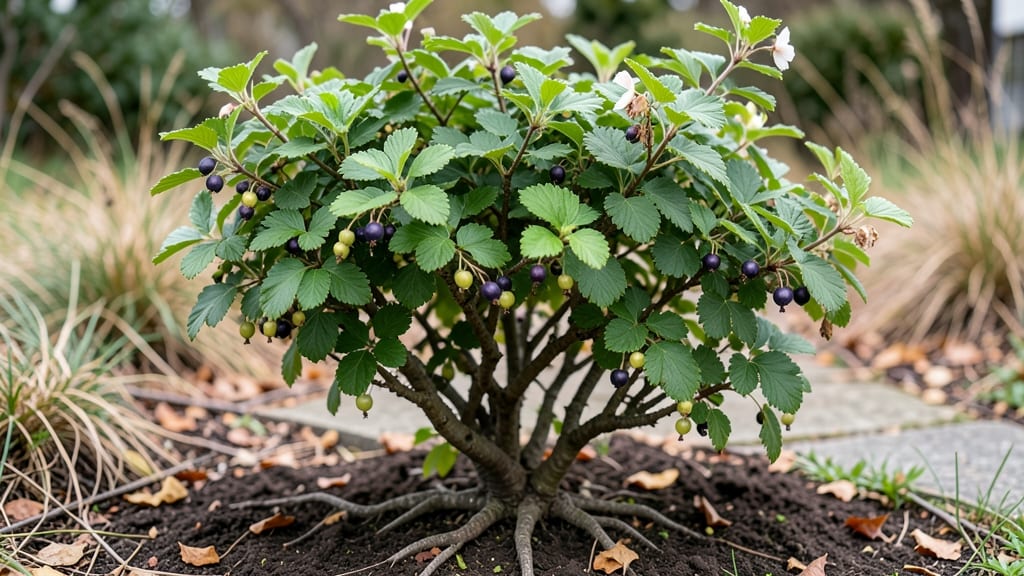
If you're planning to add a gooseberry bush 🫐 to your garden but aren’t sure how tall gooseberry bushes grow, you're in the right place. These versatile shrubs can range from compact 2-foot dwarf varieties to towering 6-foot giants, depending on the type and care.
The height of your gooseberry bush isn’t just about aesthetics—it directly impacts fruit production, airflow, and ease of harvesting. Some varieties like 'Pixwell' stay neatly under 3 feet, making them perfect for small gardens, while others like 'Hinnonmäki Red' can reach 6 feet if left unchecked.
Whether you're working with limited space or dreaming of a lush berry patch, understanding these growth patterns is key to success. I'll show you how to choose the right variety, space them properly, and use pruning to keep your bushes at your ideal height—without sacrificing those juicy berries.
Let's break down the heights by variety, spacing tips, and maintenance tricks so you can grow a thriving gooseberry bush that fits your garden perfectly.


Gooseberry bush height by variety: compact vs. tall-growing types
Gooseberry bushes come in a stunning range of heights, from dwarf varieties perfect for small gardens to tall-growing giants that need trellises. The height of your gooseberry bush depends entirely on the variety you choose, with some reaching just 3 feet while others tower over 6 feet.
Understanding these differences will help you plan your garden layout and choose the right variety for your space.
If you're working with limited space, dwarf varieties like 'Pixwell' or 'Invicta' are excellent choices—these stay between 3 and 4 feet tall, making them ideal for containers or small backyard plots.
On the other hand, if you have room to spare and want a dramatic focal point, varieties like 'Hinnonmäki Red' can grow up to 6 feet or more without proper pruning.
Here’s a quick look at how different gooseberry varieties stack up in height, along with their growth habits and best uses:
| Variety | Mature Height | Growth Habit | Best For |
|---|---|---|---|
| Pixwell | 3–4 ft | Compact, bushy | Small gardens, containers |
| Invicta | 4–5 ft | Upright, spreading | Trellises, hedges |
| Hinnonmäki Red | 5–6 ft | Tall, trailing | Large gardens, trellises |
| Careless | 4–5 ft | Bushy, spreading | Wildlife-friendly gardens |
| Levanto | 3–4 ft | Compact, upright | Urban gardens, patios |
For small-space gardens, varieties like 'Pixwell' or 'Levanto' are my top picks—they stay under 4 feet and produce abundant fruit without taking over your yard.
Meanwhile, if you're growing gooseberries for commercial purposes or have a large garden, taller varieties like 'Hinnonmäki Red' will give you more yield per plant but require regular pruning to keep them manageable.
Another factor to consider is the growth habit of the variety. Some, like 'Invicta', grow upright and do well on trellises, while others, like 'Careless', spread outward and thrive as ground covers.
This can influence not only how tall your bush grows but also how much horizontal space it will occupy.
If you're still unsure which variety to choose, consider your climate zone. Some varieties, like 'Hinnonmäki Red', perform best in cooler climates (USDA Zones 3–6), while others, like 'Pixwell', are more adaptable to warmer regions. Always check the specific cold hardiness of a variety before planting.
Once you’ve selected your variety, remember that pruning plays a huge role in controlling height. Even the tallest varieties can be kept under 5 feet with consistent pruning, while dwarf varieties may naturally stay compact with minimal intervention.
We’ll dive deeper into pruning techniques in the next section to help you keep your gooseberry bush at your desired height.
Whether you're growing gooseberries for their delicious fruit, their ornamental value, or both, choosing the right variety—and understanding its mature height—is the first step to a thriving, productive bush. 🫐
Gooseberry bush height by variety: compact vs. tall-growing types
Gooseberry bushes offer a fascinating range of heights, from dwarf varieties perfect for containers to tall-growing types that need trellis support. The average mature height spans 3 to 6 feet, but your choice of variety can drastically alter how much space you’ll need.
For example, 'Pixwell' stays compact at 3–4 feet, while 'Hinnonmäki Red' can reach 5–6 feet without pruning. Understanding these differences helps you plan your garden layout and fruit-picking strategy.
If you’re working with limited space, dwarf varieties like 'Invicta' (3 feet) or 'Careless' (2–3 feet) are ideal. These thrive in small gardens, balconies, or large pots, producing abundant fruit without spreading.
On the other hand, standard varieties like 'Poorman' or 'Waratah' grow 5–6 feet tall, making them better suited for larger yards or trellis systems. Always check the variety’s growth habit—some sprawl while others grow upright.
Here’s a quick comparison to help you visualize the differences:
| Variety | Mature Height | Growth Habit | Best For |
|---|---|---|---|
| Pixwell | 3–4 ft | Bushy, upright | Small gardens, containers |
| Invicta | 3 ft | Compact, trailing | Balconies, trellises |
| Hinnonmäki Red | 5–6 ft | Tall, upright | Large yards, trellises |
| Poorman | 5–6 ft | Sprawling | Trellis support needed |
| Careless | 2–3 ft | Dwarf, bushy | Containers, small spaces |
When selecting a variety, consider your garden’s layout and pruning goals. Tall varieties like 'Hinnonmäki Red' benefit from early pruning to control height, while dwarf types may need staking to support their fruit load.
Always plant bushes 3–6 feet apart to allow airflow and prevent disease, regardless of their mature height. This spacing also makes harvesting easier and reduces the risk of fungal issues like powdery mildew.
For container gardening, choose dwarf or semi-dwarf varieties like 'Careless' or 'Invicta'. Use large pots (at least 18 inches deep) with drainage holes and a balanced fertilizer to encourage compact growth.
If you’re growing in the ground, amend the soil with compost to support strong root development, which directly impacts how tall your bush will grow. Healthy roots mean better nutrient uptake and more controlled height over time.
Pro tip: If you love the idea of a tall gooseberry bush but lack space, opt for a trellis system. Varieties like 'Poorman' or 'Waratah' thrive when trained vertically, saving ground space while still reaching 5–6 feet tall.
Just ensure your trellis is sturdy—gooseberries can get heavy with fruit! Prune in late winter to shape the bush and direct growth upward.
Remember, the first year of growth is the best time to influence your bush’s final height. Young plants respond well to pruning and training, so don’t hesitate to shape them early. With the right variety and care, you can enjoy abundant gooseberries without sacrificing your garden’s layout.