
Plants
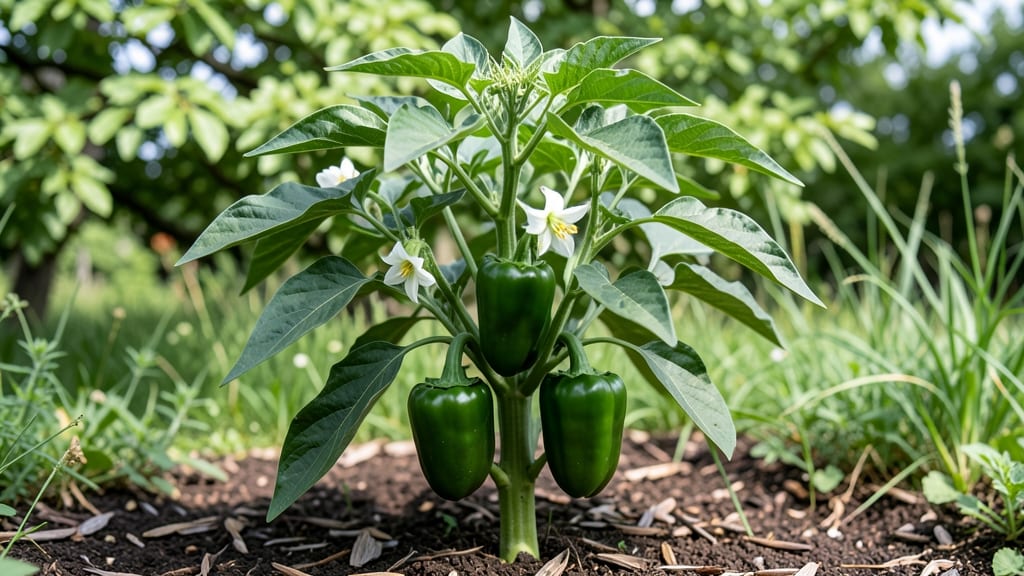
Green bell pepper plant heights: standard vs. dwarf varieties explained
Green bell pepper plants are one of the most popular vegetables in home gardens, but their mature height can vary dramatically depending on the variety you choose.
Understanding these differences is key to planning your garden layout and maximizing your harvest. Standard varieties typically reach 3 to 4 feet tall, while dwarf varieties stay compact at just 1 to 2 feet.
This variation affects everything from spacing to pruning and even how you support your plants.
For example, the classic 'California Wonder' variety is a standard grower, reaching nearly waist height for most adults, while 'Jupiter' or 'Aristotle' dwarf varieties stay much shorter.
These height differences aren't just about aesthetics—they impact how you care for your plants, how much space they need, and even how many peppers you can harvest per plant. Let's break down the specifics to help you choose the right variety for your garden.
🌱 Did You Know? Some green bell pepper plants can grow even taller if left unpruned, reaching up to 4 feet or more, but proper pruning keeps them at an ideal height for easier harvesting and better air circulation.
| Variety Type | Mature Height | Popular Cultivars | Spacing Needs | Best For |
|---|---|---|---|---|
| Standard | 3–4 feet | California Wonder, Early California Wonder, Big Beef | 36–48 inches apart | Large gardens, ground planting |
| Semi-Dwarf | 2–3 feet | Aristotle, Jupiter, Sweet Banana | 24–36 inches apart | Containers, small spaces, raised beds |
| Dwarf | 1–2 feet | Snackable, Mini Bell, Tiny Tim | 18–24 inches apart | Patio gardens, balconies, vertical growing |
If you're growing standard varieties, plan for a taller plant that may need staking or cages to support its weight as it produces heavy fruit. These varieties are ideal for larger gardens where you have plenty of space to allocate.
On the other hand, dwarf varieties are perfect for container gardening or small spaces, as they require significantly less room and can even thrive on a sunny windowsill or balcony.
One common misconception is that taller plants always produce more peppers. In reality, dwarf varieties often yield just as many peppers per square foot when spaced correctly, making them a great choice for urban gardeners.
The key is understanding how each variety grows and how that affects your garden's layout and care routine.
For instance, 'California Wonder', a standard variety, can produce up to 10–15 peppers per plant when given proper care, but it needs ample space to spread out.
Meanwhile, 'Snackable', a dwarf variety, might produce fewer peppers per plant but can be planted much closer together, allowing you to fit more plants in a small area. This trade-off is why choosing the right variety for your space is so important.
Another factor to consider is how height affects pruning and maintenance. Taller plants may require more frequent pruning to remove suckers and encourage bushier growth, while dwarf varieties need less maintenance but may benefit from occasional pinching to promote branching.
Understanding these care differences will help you keep your plants healthy and productive throughout the growing season.
If you're new to growing green bell peppers, I recommend starting with a semi-dwarf variety like 'Aristotle'. It strikes a balance between height and manageability, making it easier to care for while still offering a good yield.
Plus, its compact size means you can experiment with different growing methods, like trellising or container gardening, without worrying about overcrowding.
No matter which variety you choose, remember that proper spacing is crucial for healthy growth. Crowding plants can lead to poor air circulation, which increases the risk of fungal diseases like powdery mildew.
We'll dive deeper into spacing guidelines in the next section, but for now, keep in mind that taller plants need more room to avoid competition for sunlight and nutrients.
🌿 Pro Tip: Always check the seed packet or plant tag for specific height and spacing recommendations—these details can vary even between varieties within the same category!
Optimal spacing for green bell pepper plants by height type
Green bell pepper plants thrive when given the right space to spread their branches and absorb sunlight. The spacing needs vary dramatically between standard and dwarf varieties, so choosing the right layout ensures healthy growth and easy harvests.
For standard varieties like 'California Wonder,' aim for 36–48 inches apart in rows spaced 24–36 inches apart—this mimics their natural bushy habit and prevents overcrowding.
If you're growing dwarf varieties such as 'Jupiter' or 'Aristotle,' you can cut spacing in half—place them 18–24 inches apart in rows 18–24 inches apart. This compact setup works perfectly for container gardening or small urban plots, where space is limited but you still want a bountiful harvest.
| Variety Type | Plant Spacing | Row Spacing | Best For |
|---|---|---|---|
| Standard (e.g., 'California Wonder') | 36–48 inches apart | 24–36 inches apart | In-ground gardens, raised beds |
| Dwarf (e.g., 'Jupiter') | 18–24 inches apart | 18–24 inches apart | Containers, small plots, urban gardens |
| Semi-Dwarf (e.g., 'Aristotle') | 24–30 inches apart | 20–24 inches apart | Balcony gardens, small raised beds |
For container gardening, opt for 5-gallon pots or larger to accommodate even standard varieties, but ensure each plant has at least 12–18 inches of space around it.
If you're using vertical growing techniques like trellises or cages, you can reduce spacing by 25% since the plants will grow upward rather than outward.
Proper spacing isn’t just about fitting more plants—it’s about preventing disease and maximizing sunlight exposure. Crowded plants lead to poor air circulation, which can cause fungal issues like powdery mildew or blossom end rot. Always prioritize airflow and light over squeezing in extra plants.
If you’re growing multi-stemmed varieties, like 'Carmen,' which produce multiple peppers per node, give them extra room (48 inches apart) to avoid overcrowding. These varieties are high-yielding but need space to support their abundant fruit production.
To make the most of your garden, rotate crops annually and avoid planting peppers in the same spot year after year. This practice helps prevent soil-borne diseases and keeps your plants thriving at their ideal height and spacing for years to come. 🌿