
How To
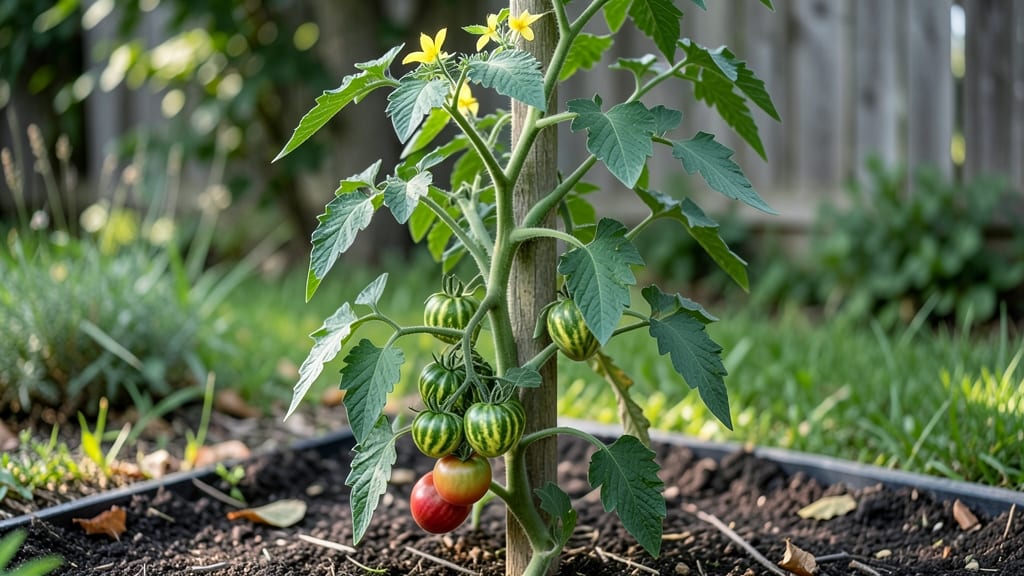
Green Zebra tomato height: expected growth range and plant characteristics
Green Zebra tomatoes are indeterminate varieties, meaning they don’t stop growing once they start producing fruit. On average, these plants reach heights of 4 to 6 feet under ideal conditions, but with proper care, they can even stretch toward 7 feet or more.
Their vigorous growth makes them perfect for trellises or tall cages, but it also means you’ll need to plan your space carefully.
Their sprawling vines can spread 3 to 5 feet wide if left unchecked, so if you’re growing in a small container or raised bed, you’ll need to prune regularly or use a sturdy support system.
Unlike determinate varieties that grow to a fixed height, Green Zebras keep climbing and producing fruit until frost hits—this makes them a fantastic choice for gardeners with vertical space.
Here’s what influences their height the most: sunlight exposure, pruning habits, and soil fertility. Without enough sun, vines may grow leggy and weak, while over-fertilizing can lead to excessive foliage at the expense of fruit production.
Balancing these factors is key to managing their impressive growth while maximizing your harvest.
| Characteristic | Details |
|---|---|
| Growth Type | Indeterminate (continuous growth) |
| Mature Height | 4–6 feet (up to 7+ feet with support) |
| Vine Spread | 3–5 feet wide (prune to control) |
| Sunlight Needs | 6–8+ hours of full sun daily |
| Pruning Impact | Reduces height by 20–30% if pruned aggressively |
| Fruit Production | Continuous yield until frost (striped heirloom tomatoes) |
Compared to other heirloom varieties like Brandywine (which can reach 5–8 feet) or Cherokee Purple (typically 4–6 feet), Green Zebras are on the taller side but easier to manage with consistent pruning.
Their striped pattern and sweet-tart flavor make them a favorite, but their height means you’ll need to invest in a strong trellis or cage—especially if you’re growing in containers where roots can’t spread as freely.
One common mistake gardeners make is underestimating how quickly these plants grow. If you wait until they’re already 3 feet tall to add support, the vines can become top-heavy and prone to snapping.
Start with a 5–6 foot trellis or cage from day one, and train the main stem early to encourage upward growth rather than sprawling.
For those growing in USDA Zone 6a or warmer, you can extend the growing season by providing support and protecting plants with row covers in early fall.
This gives you more time to enjoy their vibrant green-yellow fruit and even experiment with succession planting if you have space for multiple plants.
If you’re new to growing indeterminate tomatoes, don’t worry—Green Zebras are forgiving. Even if you miss a pruning session or two, they’ll still produce fruit, though yields may be smaller.
The key is to monitor their growth and adjust supports as needed. With the right setup, you’ll be harvesting golf-ball-sized tomatoes all season long!
Ready to tackle their height? The next step is choosing the right container or planting method—whether you’re working with limited balcony space or a sprawling backyard. Let’s dive into how to set them up for success in Section 2.
Container vs soil planting: space requirements and setup tips
Green Zebra tomatoes thrive when planted in the right space, but their 4–6-foot vines demand careful planning—whether you're using containers or in-ground beds. The key difference lies in root depth, support structures, and spacing.
Containers limit root growth, while soil offers more room for expansion but requires sturdier trellising to prevent sprawl.
For container gardening, opt for at least 5-gallon pots to accommodate their deep root systems. Smaller pots stunt growth, leading to fewer fruits.
In-ground planting, on the other hand, allows roots to spread naturally, but you’ll need 2–3 feet of vertical support to keep vines off the ground and maximize airflow.
Here’s how to compare the two setups for space efficiency, yield potential, and ease of care—so you can choose what works best for your garden layout.
| Factor | Container Gardening | In-Ground Planting |
|---|---|---|
| Minimum Space Needed | 5-gallon pot (12" diameter) | 18" x 18" per plant |
| Root Depth | Limited (12–18") | Unlimited (24"+) |
| Support Structure | Tall cage (5–6 ft) or stake | Trellis or tomato tower (6–8 ft) |
| Yield Potential | Moderate (smaller roots = fewer fruits) | High (full root expansion = more fruits) |
| Watering Needs | Frequent (dries out faster) | Moderate (soil retains moisture longer) |
| Best For | Balconies, patios, small spaces | Backyards, raised beds, large gardens |
If you’re container gardening, prioritize drainage holes and nutrient-rich potting mix to compensate for limited space. In-ground plants benefit from mulching to retain moisture and pruning to direct energy toward fruit production rather than excessive vine growth.
For small spaces, consider dwarf varieties (though Green Zebras aren’t naturally dwarf) or espalier training to flatten vines against a fence. In larger gardens, interplant with shallow-rooted herbs like basil or thyme to save space while keeping tomatoes happy.
Regardless of your setup, trellising is non-negotiable—it prevents disease, improves airflow, and makes harvesting easier. A 6-foot tall trellis is ideal for Green Zebras, whether in pots or soil.