
How To
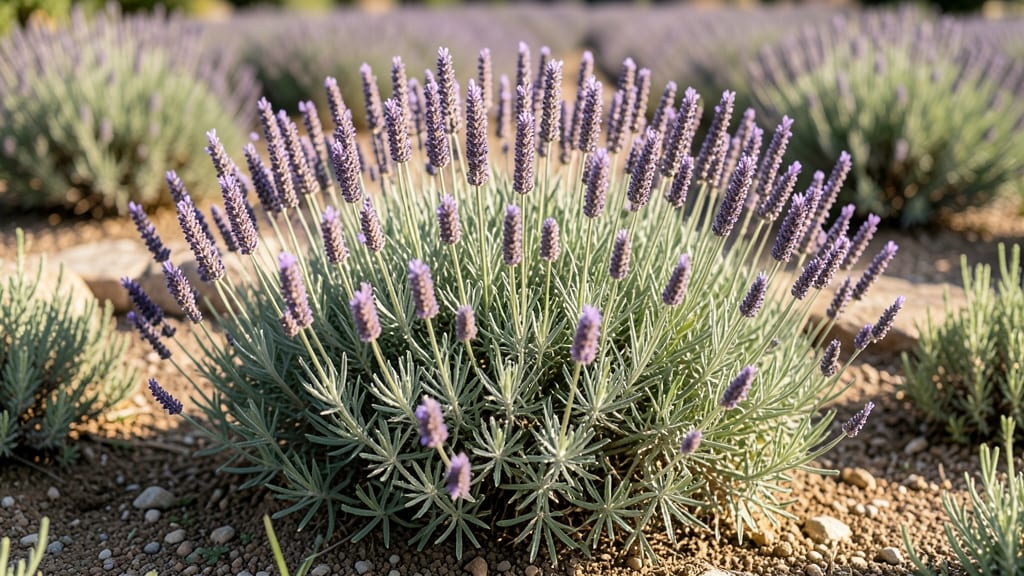
Wondering how tall do lavender grow before you commit to planting? The answer might surprise you—this fragrant 🌿 herb can range from tiny 1-foot dwarfs to towering 4-foot shrubs, depending on the variety and care.
If you're working with limited space, compact lavender is your secret weapon, fitting perfectly in containers or small gardens without sacrificing beauty.
Choosing the right lavender height isn't just about aesthetics—it's about creating a thriving garden that works for your space. Whether you're dreaming of a fragrant border or a low-maintenance pot on your patio, understanding growth patterns helps you plan with confidence.
Let's explore the best varieties for your needs and how to keep them looking their best.
Most gardeners assume lavender needs plenty of room, but the truth is, some varieties stay under 12 inches tall—ideal for window boxes or urban balconies. Others, like English lavender, can reach 5 feet when mature, making them perfect for hedges or background planting.
The key is matching your space to the right plant.
Ready to transform your garden? I'll walk you through the top space-saving options, pruning tips to control growth, and how to avoid common mistakes that lead to leggy, overgrown lavender. Let's get started!


Lavender height by variety: from dwarf to tall shrubs
Lavender’s mature height can vary dramatically depending on the variety, with some staying under 12 inches while others reach 5 feet or taller. This diversity makes it perfect for everything from window boxes to privacy hedges.
The key is understanding how each type grows so you can pick the right one for your space. For example, English lavender often tops out at 3–5 feet, while Spanish lavender stays more compact at 2–3 feet.
Let’s break down the options so you can plan your garden like a pro.
When selecting lavender, consider not just height but also growth habit. Some varieties grow upright and bushy, while others spread outward, creating a trailing effect. This matters for spacing—upright types need 18–24 inches between plants, while trailing varieties can be spaced 12–18 inches apart.
If you’re working with containers, dwarf varieties thrive in pots as small as 6–8 inches wide, while taller types need 12+ inches of depth to avoid root binding.
Here’s the game-changer: pruning and care can influence height by up to 30%. Regular pruning keeps lavender compact and bushy, while neglect can lead to woody, leggy growth that maxes out at full height.
For instance, if you prune English lavender aggressively every year, you might keep it under 3 feet instead of letting it reach 5 feet. Conversely, leaving it unpruned turns it into a tall, dramatic backdrop for your garden.
Climate also plays a role. In warmer zones (USDA 8–10), lavender often grows taller and bushier due to longer growing seasons. In cooler zones (USDA 5–7), growth may be slower, with plants staying shorter and more compact.
For example, Grosso lavender in California might hit 4 feet, while the same variety in the Pacific Northwest could max out at 3 feet. Always check your local climate’s impact on growth rates!
Now, let’s talk about the most popular lavender varieties and their mature heights. Whether you’re dreaming of a fragrant border or a container garden, knowing these details will help you make the perfect choice.
Lavender Height Comparison
| Variety | Mature Height | Growth Habit | Best For |
|---|---|---|---|
| Dwarf English Lavender ('Hidcote') | 12–18 inches | Upright, compact | Containers, borders |
| Spanish Lavender ('Anouk') | 18–24 inches | Trailing, bushy | Window boxes, rock gardens |
| English Lavender ('Munstead') | 24–36 inches | Upright, woody | Hedges, borders |
| Grosso Lavender ('Provencal') | 36–48 inches | Tall, spreading | Background planting, fragrance hedges |
| French Lavender ('Lavandin') | 3–5 feet | Tall, upright | Privacy screens, large gardens |
*Height ranges are approximate and can vary based on climate, soil, and care.
The dwarf varieties like 'Hidcote' are my go-to for small spaces because they fit perfectly in 6-inch pots and still produce abundant blooms. Meanwhile, the taller types like 'Grosso' or 'Lavandin' make stunning backdrop plants and can even be shaped into topiary with the right pruning.
If you’re unsure, start with a mix of heights—place taller lavender at the back of borders and shorter types in front for a layered look.
One common mistake I see is assuming all lavender grows the same height. For example, Spanish lavender stays low and spreading, while English lavender grows tall and upright. Mixing them in the same bed can create a messy, overcrowded look if you don’t plan spacing carefully.
Always check the growth habit when selecting varieties to avoid this pitfall.
For container gardening, focus on dwarf or semi-dwarf varieties like 'Anouk' or 'Kew Red'. These thrive in pots and can even be grown on balconies or patios as long as they get full sun
Lavender height by variety: from dwarf to tall shrubs
Lavender isn’t just one-size-fits-all—its mature height can range from under 12 inches to over 5 feet, depending on the variety. Choosing the right type for your space ensures your garden stays organized and fragrant without becoming overcrowded.
Whether you’re working with a balcony container or a sprawling backyard, understanding these height differences helps you plan with confidence.
Most lavender falls into three broad categories: dwarf, mid-sized, and tall shrubs. Dwarf varieties like Lavandula angustifolia 'Hidcote' stay compact, perfect for window boxes or small pots. Mid-sized options such as Lavandula x intermedia 'Grosso' reach 2-3 feet, ideal for borders or mixed containers.
Meanwhile, tall shrubs like Lavandula stoechas 'Anouk' can tower 3-5 feet, making them great for hedges or background planting.
| Variety | Mature Height | Growth Habit | Best For |
|---|---|---|---|
| Lavandula angustifolia 'Hidcote' | 12-18 inches | Upright, compact | Containers, window boxes |
| Lavandula x intermedia 'Grosso' | 2-3 feet | Bushy, spreading | Borders, mixed beds |
| Lavandula stoechas 'Anouk' | 3-5 feet | Tall, upright | Hedges, background |
| Lavandula angustifolia 'Munstead' | 18-24 inches | Bushy, rounded | Small gardens, pots |
| Lavandula angustifolia 'Dwarf Blue' | 10-12 inches | Trailing, compact | Hanging baskets, edging |
Spacing is just as critical as height. For dwarf varieties, plant 6-12 inches apart in containers or beds. Mid-sized lavender needs 18-24 inches of space to prevent overcrowding, while tall shrubs should have 3-4 feet between them.
Crowding leads to woody stems and reduced fragrance, so always follow spacing guidelines for healthy growth.
Climate also plays a role in lavender height. In warmer zones (USDA 8-10), lavender tends to grow taller and bushier, while in cooler regions (USDA 5-7), it may stay shorter and more compact.
If you’re in a cooler climate, consider mulching to protect roots and encourage fuller growth. Even in ideal conditions, lavender grows slowly—expect 1-2 feet of growth per year for most varieties.
Pruning in late winter or early spring can also influence height. Regular trimming encourages bushier growth and prevents legginess. For tall varieties, prune back by one-third to maintain shape and promote new shoots. Avoid heavy pruning in fall, as lavender needs time to harden off for winter.
If you’re still unsure which lavender fits your space, start with a mix of dwarf and mid-sized varieties. This creates visual interest while keeping your garden manageable. For example, pair Hidcote in pots with Grosso in the border for a layered, fragrant display.