
How To
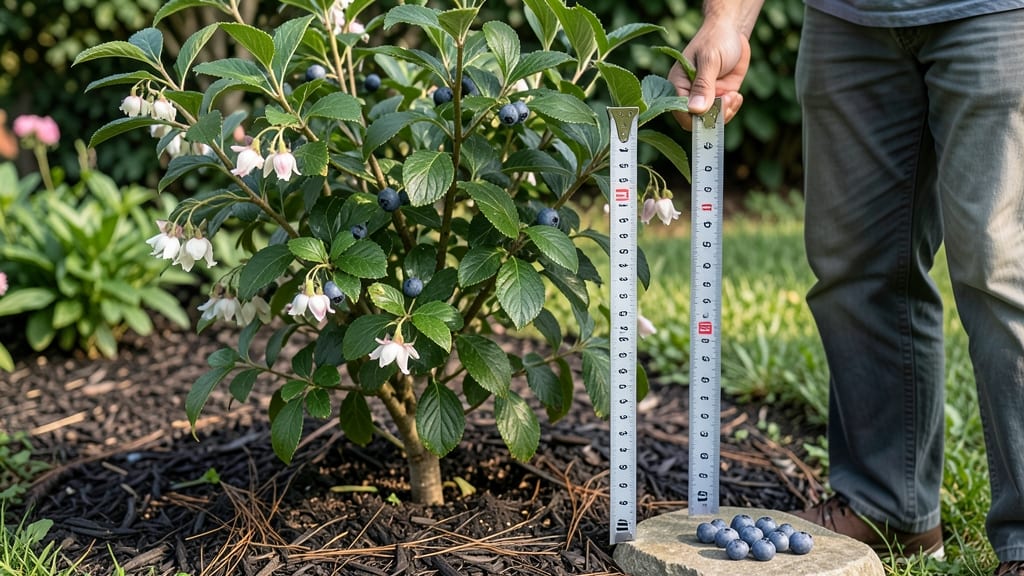
If you've ever wondered how tall do highbush blueberries grow, the answer might surprise you—these 🫐 powerhouses can reach heights of 8 to 12 feet when left unchecked, easily towering over most gardeners!
But don’t let that intimidate you, because with the right variety and a little pruning know-how, you can shape them into the perfect size for your space.
Whether you're dreaming of a compact bush for your balcony or a lush hedge for your backyard, understanding their growth habits is key. Some varieties stay as short as 3 to 5 feet, making them ideal for containers or small gardens, while others stretch toward the sky.
The secret lies in choosing the right type and giving it the care it needs to thrive without taking over your yard.
In this guide, I’ll break down exactly what to expect from different highbush blueberry varieties, how pruning can control their height, and the best spacing tips to keep your garden looking neat and productive. Ready to turn those towering bushes into a manageable (and delicious!) part of your landscape?
Let’s dive into the details so you can pick the perfect variety for your space—and enjoy a bountiful harvest without the hassle of overgrowth.


Highbush blueberry height by variety: compact vs. standard-sized bushes
Highbush blueberries are famous for their juicy, antioxidant-rich berries, but their mature height can vary dramatically depending on the variety you choose. Some stay as short as 3 feet, while others stretch toward 12 feet—so picking the right one for your space is key.
The height difference isn’t just about aesthetics; it also affects fruit production, ease of harvesting, and even pruning needs.
Genetics play the biggest role in determining a blueberry bush’s height. Dwarf varieties are bred to stay small, making them perfect for containers or small gardens, while standard varieties thrive in larger landscapes or orchards.
Even within the same category, though, growth habits can differ—some bushes grow taller and leggier, while others stay compact and bushy.
Most highbush blueberries reach their full mature height within 3 to 5 years, though growth slows significantly after year 3. Understanding these differences helps you plan your garden layout, choose companion plants, and even decide whether to use a trellis or espalier system to manage height naturally.
Below, I’ve broken down the most popular highbush varieties by their mature height ranges, so you can pick the perfect fit for your space—whether it’s a balcony pot or a rural backyard.
| Variety | Mature Height | Growth Habit | Best For |
|---|---|---|---|
| Bluecrop | 6–8 ft | Bushy, upright | Home gardens, hedges |
| Duke | 5–7 ft | Compact, rounded | Containers, small spaces |
| Jersey | 8–12 ft | Tall, spreading | Orchards, large landscapes |
| Patriot | 5–7 ft | Semi-dwarf, bushy | Urban gardens, mixed beds |
| Top Hat | 3–5 ft | Dwarf, compact | Containers, patios |
| Chippewa | 6–10 ft | Tall, vigorous | Commercial plantings |
If you’re working with limited space, dwarf varieties like Top Hat or Duke are excellent choices—they stay under 5 feet and thrive in large containers.
For larger gardens or orchards, standard varieties like Jersey or Chippewa can create a stunning privacy hedge or provide ample fruit for family and friends.
One thing to note: even within the same variety, pruning practices can influence height. Regular pruning keeps bushes shorter and more manageable, while neglect can lead to overgrowth and reduced fruit quality.
I’ll cover pruning strategies in detail in the next section, but for now, remember that height control starts at planting.
For urban gardeners, semi-dwarf varieties like Patriot strike a balance—they’re tall enough to produce abundant fruit but compact enough for small yards or raised beds. If you’re unsure which to choose, start with Bluecrop or Duke; they’re versatile, productive, and widely available at nurseries.
Pro tip: Check the USDA hardiness zone for your variety—most highbush blueberries thrive in zones 4–7, but some dwarf varieties extend slightly into zone 3 with proper winter protection. Always verify before planting!
Now that you know which varieties fit your space, let’s talk about how to control their height—because even the tallest blueberry bush can be tamed with the right pruning techniques. ✂️
Pruning highbush blueberries to control height: step-by-step guide
Pruning is the secret weapon to keep your highbush blueberries at your desired height—whether you want a 3-foot container bush or a 6-foot hedge. Without pruning, these shrubs can easily reach 12 feet tall, crowding your garden and reducing fruit quality. The key is timing, technique, and consistency.
Start by pruning in late winter or early spring (before buds swell) to remove dead, diseased, or crossing branches. This opens the canopy for better air circulation and sunlight penetration, which boosts fruit production. For summer pruning, focus on shaping and thinning to encourage bushier growth.
🌱
Step-by-Step Pruning Guide
- Step 1: Remove dead wood first—cut branches back to the base or a healthy bud.
- Step 2: Thin out crowded branches to improve airflow; aim for 6-8 main stems per bush.
- Step 3: Cut back last year’s growth by 1/3 to 1/2 to encourage new, fruiting wood.
- Step 4: Shape the bush by trimming uneven growth; use clean, sharp pruners to avoid tearing.
- Step 5: Disinfect tools between cuts with rubbing alcohol to prevent disease spread.
For dwarf varieties like 'Top Hat,' prune aggressively to maintain a 3-4 foot height, while standard varieties like 'Bluecrop' can handle lighter pruning to reach 8-12 feet. Avoid over-pruning in the first year—let young plants establish their structure before heavy cuts.
Common mistakes include pruning too late in spring (which delays fruit production) or cutting into old wood (which reduces future harvests). Always prune just above a bud or branch collar to encourage healthy regrowth.
After pruning, apply a 2-3 inch layer of mulch around the base to retain moisture and suppress weeds. This supports recovery and prepares the bush for the growing season ahead.
✂️