
How To
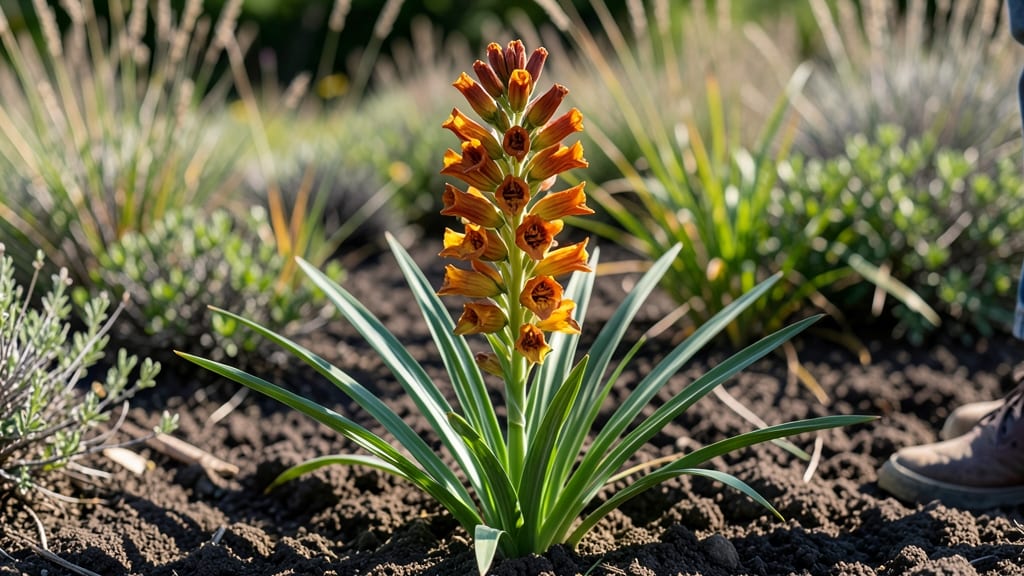
If you're asking "how tall do ixia grow", you're probably picturing those stunning, firework-like blooms but wondering if they'll fit your garden's layout.
The answer varies more than you might think, with some varieties staying as short as 8 inches while others shoot up to nearly 2 feet—all from the same bulb-based plant family!
What makes this even more interesting is how ixia's height isn't just about genetics—it's also about timing. Planting in March-April for USDA Zone 6a gives you the best chance to see their full potential, but even then, their growth habits can shift based on sunlight exposure and spacing.
Too much shade? Expect shorter, leggier stems. Too crowded? You might get bushier clumps instead of tall spikes.
The key to getting the height you want lies in understanding your specific variety. Some, like Ixia viridiflora, stay compact and perfect for borders, while others like Ixia maculata reach for the sky.
I'll show you exactly how to match your garden vision with the right planting techniques and care tips.
Whether you're dreaming of a sea of 🌸 ixia or just want a few dramatic accents, knowing these height secrets will help you create the perfect spring display—without any surprises when those colorful spikes start popping up!


Ixia height by variety: compact vs. tall blooming types
When planning your ixia garden, knowing the height variations between varieties helps you create stunning displays without overcrowding. Most ixia plants reach 12-18 inches at maturity, but some dwarf varieties stay as short as 8 inches, while taller types can stretch to 24 inches.
These differences are influenced by both genetics and growing conditions.
The Ixia viridiflora variety is one of the most popular for its compact growth habit, typically reaching 12-15 inches. Its clumping growth makes it perfect for borders or rock gardens.
Meanwhile, Ixia maculata often grows slightly taller, 15-18 inches, with striking spear-shaped blooms that add vertical interest to mixed beds.
Hybrid ixia varieties can vary widely in height, sometimes exceeding 2 feet when given optimal care. For example, Ixia 'Fireworks' cultivar often reaches 18-24 inches, making it ideal for the back of sunny borders or cottage-style gardens. Always check the specific variety's description, as some breeders intentionally create dwarf or giant types.
Here’s how height breaks down by common ixia types:
If you're planting ixia in containers, opt for dwarf varieties to avoid overcrowding. Taller types like Ixia 'Fireworks' need at least 12-inch-deep pots to support their vertical growth. For in-ground planting, space bulbs 4-6 inches apart to allow room for foliage expansion, especially for taller varieties.
Height isn’t the only factor to consider—bloom time also affects how you arrange your ixia. Spring-blooming varieties often grow slightly taller than their autumn counterparts, which may stay more compact due to cooler temperatures.
Always match your ixia’s height and bloom season to your garden’s layout for a cohesive look.
For maximum height control, plant ixia bulbs in well-draining soil with full sun exposure. Overcrowding or poor drainage can stunt growth, while rich soil and consistent moisture encourage taller, healthier spikes. If you notice leggy stems, reduce nitrogen fertilizer to promote stronger, shorter stems.
Pro tip: Pair tall ixia varieties with shorter perennials like alyssum or snapdragons to create height contrast without competing for space. This layered approach adds depth to your garden while keeping maintenance manageable.
🌸
Ixia height by variety: compact vs. tall blooming types
When planning your garden, knowing how tall ixia grow helps you choose the right varieties for your space. Most ixia plants reach 12–18 inches at maturity, but some dwarf types stay as short as 8 inches, while taller hybrids can stretch to 24 inches.
Their height depends on the variety, growing conditions, and care practices.
Ixia flowers grow from bulbs and form clumps of grass-like foliage topped with spikes of vibrant blooms. The height of the flower spikes is what typically varies, not the overall plant structure.
For example, Ixia viridiflora often stays on the shorter side, while Ixia maculata can produce taller, more dramatic spikes.
Here’s how popular ixia varieties compare in height, so you can pick the perfect fit for your garden:
| Variety | Height Range | Bloom Color | Growth Habit |
|---|---|---|---|
| Ixia viridiflora | 8–12 inches | Green, yellow, or white | Compact clumps |
| Ixia maculata | 12–18 inches | Pink, purple, or red | Tall spikes |
| Ixia hybrid (e.g., 'Giant Star') | 18–24 inches | Multi-colored | Bold, upright spikes |
| Ixia 'Little Star' | 6–10 inches | Yellow, orange, or red | Dwarf, bushy |
If you’re planting ixia in containers or small gardens, dwarf varieties like 'Little Star' are ideal. For border plantings or cutting gardens, taller types like 'Giant Star' add height and drama.
Always plant bulbs 3–4 inches deep and space them 3–4 inches apart to avoid overcrowding, which can stunt growth.
Proper sunlight exposure (at least 6 hours of full sun daily) and well-draining soil will help your ixia reach its full height potential. Avoid heavy, clay soils, as they can cause the bulbs to rot and affect growth.
For a show-stopping display, mix tall and short varieties together. Place taller types at the back of borders and shorter ones in the front. This creates layers and depth while keeping your garden visually balanced.