
Plants
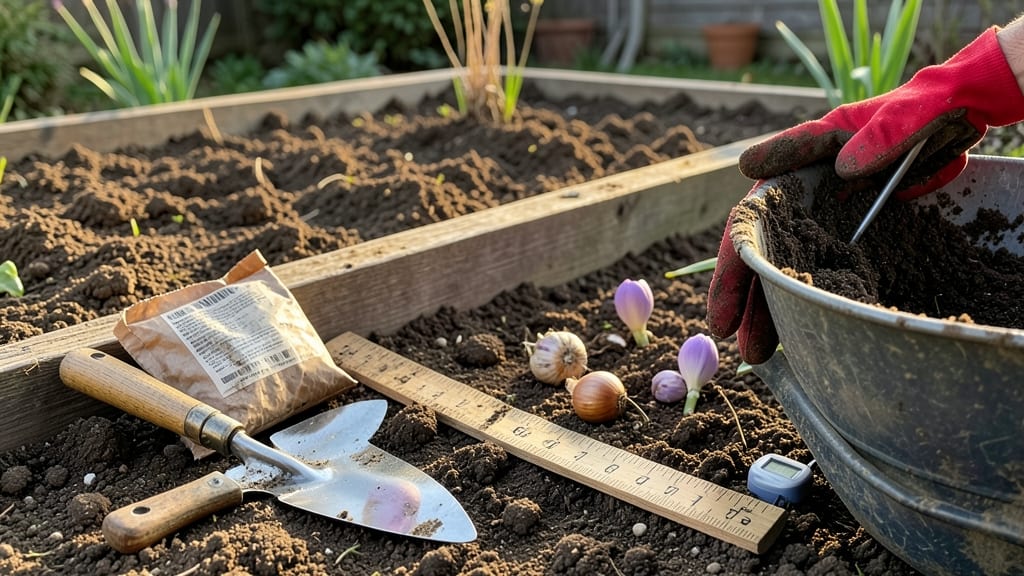
Planting your spring flowering bulbs 🌷 at the wrong time in Zone 6a could mean waiting another year for those dreamy blooms—or worse, watching them never emerge at all. The difference between a stunning spring garden and a missed opportunity often comes down to one critical factor: timing.
Fall is the sweet spot for most spring flowering bulbs in Zone 6a, but knowing exactly when to dig in makes all the difference. Too early, and your bulbs might rot before winter; too late, and they won’t establish strong roots before the ground freezes.
I’ll show you the perfect window—and why it’s worth planning ahead.
From tulips to daffodils, these bulbs need 6-8 weeks of cool soil before the first frost hits (usually around November 15 in 6a). That means your planting window is tight but doable—if you start in September.
Let’s break down the best months, soil prep secrets, and what to watch for to ensure your bulbs thrive.
Ready to set your garden up for next spring’s best blooms? You’ll learn how to time it right, adjust for microclimates, and even troubleshoot if you miss the fall window. Let’s get those bulbs in the ground the right way.
Fall planting schedule for Zone 6a bulbs: best months and soil prep
In Zone 6a, fall is the golden window for planting most spring-flowering bulbs like tulips and daffodils. The key is to plant when soil temperatures drop below 60°F but before the ground freezes—typically 6-8 weeks before your first frost.
For most of Zone 6a, this means September through November, with October being the sweet spot.
Why fall? Bulbs need time to establish roots before winter dormancy. When planted in autumn, they develop a strong root system that fuels next spring’s vibrant blooms. Missing this window often means weaker growth or no flowers at all—so mark your calendar!
Here’s the critical timeline for Zone 6a gardeners: Aim to finish planting by mid-November at the latest. If you’re in a warmer microclimate (like near a south-facing wall), you might stretch into early December, but most bulbs won’t tolerate wet, frozen soil.
Soil temperature is your best guide. Use a soil thermometer to confirm it’s between 50-60°F—this ensures roots grow but don’t rot. If temperatures plummet unexpectedly, cover newly planted areas with straw mulch to insulate them until spring.
Now, let’s talk soil prep. Bulbs thrive in well-draining soil with a pH between 6.0 and 7.0. Before planting, amend heavy clay or sandy soil with compost or aged manure to improve fertility and drainage. A quick test with a soil pH kit can save you from guesswork.
Pro tip: Loosen the soil to a depth of 12 inches and mix in a slow-release bulb fertilizer (like 5-10-10) to give your bulbs a nutrient boost. This step is especially important if your soil is nutrient-poor or compacted.
When planting, place bulbs pointy end up at a depth equal to 3 times their height. For example, a 2-inch-tall daffodil bulb should go 6 inches deep. Use a bulb planter or your finger to create holes—this saves your back and ensures precision.
After planting, water thoroughly to settle the soil and eliminate air pockets. Mulch lightly with straw or shredded leaves (2–3 inches) to protect bulbs from freezing temperatures and retain moisture. Avoid heavy mulch, which can suffocate roots or attract pests.
One common mistake? Planting bulbs too deep or too shallow. Too deep delays blooming, while too shallow risks frost damage. Stick to the 3x height rule for consistent results. If you’re unsure, check the bulb package for variety-specific guidelines.
Finally, resist the urge to fertilize after planting—bulbs need time to adjust. Wait until spring, when shoots emerge, to apply a balanced fertilizer (like 10-10-10) to support robust growth. With the right timing and care, your Zone 6a garden will burst into color come spring! 🌷
Spring planting exceptions: when and how to plant bulbs in Zone 6a
While fall planting is ideal for most bulbs in Zone 6a, there are exceptions where spring planting works—especially for summer-flowering bulbs or missed opportunities. Understanding these exceptions helps you salvage your garden dreams even if you missed the fall window.
Spring planting is typically riskier because bulbs need time to establish roots before summer heat. However, bulbs like dahlia, gladiolus, and caladium thrive when planted in spring. These varieties bloom later in the season, giving them a head start in warmer months.
The key to spring planting success is soil moisture and timing. Aim to plant 4-6 weeks before your last frost date (around April 15 in Zone 6a). This gives roots time to grow before summer heat sets in.
⚠️ Callout Warning
- Drought stress: Young roots can dry out quickly in spring heat.
- Pests: Spring-planted bulbs attract more slugs and rodents.
- Poor blooms: Bulbs may not flower as vigorously as fall-planted varieties.
For spring planting, adjust your depth and spacing. Plant bulbs shallower than fall (3-4 inches deep instead of 6-8 inches) to account for softer soil. Space them closer together (2-3 times the bulb’s width) to encourage faster root growth.
After planting, focus on consistent watering and light fertilization. Use a balanced fertilizer (5-10-10) 4-6 weeks after planting to support root development. Avoid heavy feeding, as it can encourage foliage over blooms.
If you missed fall planting, don’t despair—spring planting can still yield beautiful results with the right care. Just be prepared for smaller blooms and more maintenance compared to fall-planted bulbs.