
Plants
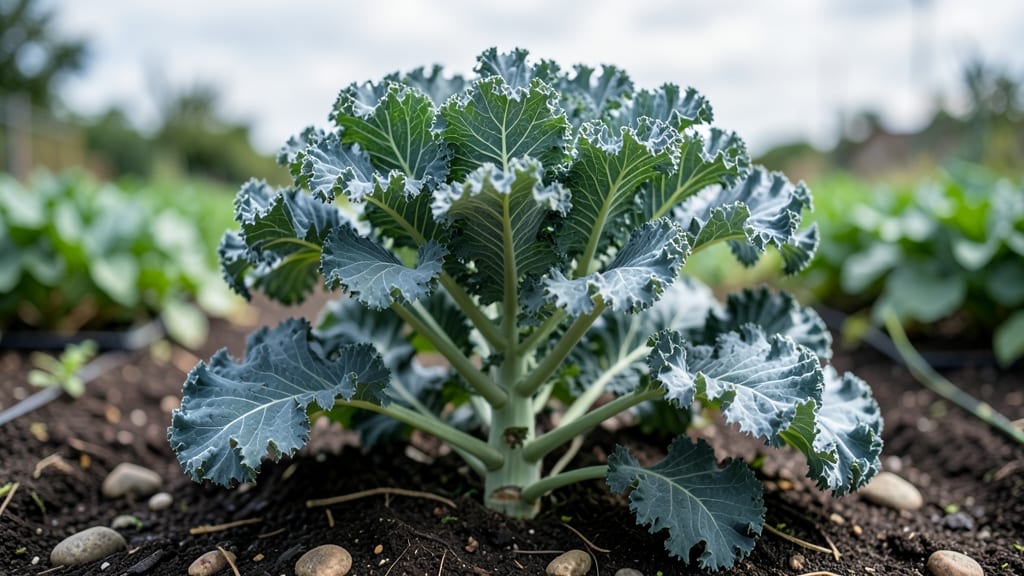
If you’re wondering how tall do kale plants grow, the answer depends entirely on the variety you choose—because some varieties stay as short as a dinner plate (8-12 inches), while others reach nearly waist-high (2-2.5 feet).
That difference means your garden layout, harvest strategy, and even pest control could change completely based on what you plant.
For gardeners in USDA Zone 6a, knowing these height ranges is especially important since spring planting (March-April) and fall planting (August-September) both require different spacing.
A dwarf variety like Dwarf Blue Curled fits neatly between carrots, while a standard like Lacinato needs room to spread—otherwise, you’ll end up with leggy, overcrowded plants that bolt before harvest.
What’s most important is matching your variety to your goals: Do you want quick, bushy harvests for salads, or are you growing for hearty winter storage?
The right spacing (12-18 inches apart) and occasional pruning can even encourage kale to grow taller or bushier, depending on what you need. Let’s break down the exact heights and spacing tricks that’ll keep your 🥬 thriving.
Beyond just height, factors like soil fertility, sunlight, and even your watering routine play a huge role in how your kale develops. But don’t worry—once you understand the basics, managing kale size becomes second nature. Ready to learn how to maximize your harvest without sacrificing space? Let’s dive in.


Kale plant height by variety: from dwarf to towering giants
Kale isn’t one-size-fits-all when it comes to height—some varieties stay compact enough for container gardens, while others reach nearly waist-high. Understanding these differences helps you plan your garden layout, choose the right companion plants, and even decide whether to grow kale in raised beds or along fences.
The height of your kale also affects how you harvest leaves—taller varieties may need stepping stools!
Most kale varieties fall into three height categories: dwarf (8–12 inches), semi-dwarf (1–1.5 feet), and standard (1.5–2.5 feet). Dwarf types like Dwarf Blue Curled are perfect for small spaces, while towering Lacinato (Dinosaur Kale) can dominate a garden bed if not spaced properly.
Let’s break down the most popular varieties and their mature heights to help you visualize your garden design.
| Variety | Mature Height | Notes |
|---|---|---|
| Dwarf Blue Curled | 8–12 inches | Ideal for containers; curly blue-green leaves. |
| Red Russian | 12–18 inches | Cold-hardy; flat, frilly leaves with red tones. |
| Lacinato (Dinosaur Kale) | 18–24 inches | Tall, sturdy stalks; dark blue-green leaves. |
| Winterbor | 12–18 inches | Cold-resistant; curly blue-green leaves. |
| Vates | 18–24 inches | Savoyed leaves; heat-tolerant. |
| Scarlet | 12–18 inches | Bright red-purple leaves; compact growth. |
If you’re growing kale in containers, dwarf varieties like Dwarf Blue Curled or Scarlet are your best bet—they thrive in 5-gallon pots with proper drainage. For in-ground planting, taller varieties like Lacinato or Vates need more space to avoid shading neighboring plants, which can reduce yields.
Pro tip: Mix heights in your garden for a visually appealing, layered look!
Height isn’t the only factor to consider—leaf shape and growth habit also play a role. For example, curly kale varieties (like Blue Curled) tend to grow bushier, while flat-leaved types (like Red Russian) may stretch taller.
This affects how you prune and harvest—bushier types benefit from cut-and-come-again harvesting, while taller varieties may need support stakes in windy areas.
Another key consideration is growing season length. In cooler climates (USDA Zones 3–6), kale often overwinters, continuing to grow taller into spring. In warmer zones (7–10), you’ll likely harvest before it reaches full height.
For example, Lacinato might max out at 18 inches in a short season but hit 24 inches with a longer grow-out. Adjust your spacing plans accordingly!
For urban gardeners or those with limited space, consider trellising kale. While it’s not a vine, some taller varieties (like Vates) can be lightly staked to save space.
Just avoid overcrowding—kale needs 12–18 inches of space per plant to thrive. If you’re growing multiple rows, leave 2–3 feet between them for airflow and easier harvesting.
One common mistake is assuming all kale grows the same height. Overcrowding can stunt growth, while poor soil (low nitrogen) may result in leggy, weak plants. Always amend your soil with compost or aged manure before planting to encourage strong, compact growth.
If your kale starts stretching toward the sun (a sign of etiolation), it’s likely not getting enough light—move it to a sunnier spot or thin out nearby plants.
Harvesting technique also impacts perceived height. When you harvest outer leaves regularly, the plant focuses energy on producing new growth from the base, keeping it bushier and shorter.
If you cut the entire plant at once, it may bolt (send up a tall flower stalk) and grow much taller before producing seeds. For continuous harvests, aim to pick 1–2 outer leaves per plant every 1–2 weeks.
If you’re new to growing kale, start with a mix of heights to see what works best in your space. Dwarf varieties are forgiving for beginners, while taller types reward patient gardeners with larger harvests.
Just remember: the right height for your kale depends on your garden layout, climate, and harvesting goals—not just the seed packet’s promise.
Optimal spacing and growth tips to maximize kale yield
Kale plants thrive when given the right space to spread their leaves and grow strong stalks. Dwarf varieties like Dwarf Blue Curled only need 12-18 inches of space between plants, making them perfect for small gardens or container growing.
Meanwhile, taller varieties such as Lacinato (Dinosaur Kale) or Red Russian require 18-24 inches of spacing to avoid competition for nutrients and sunlight.
Proper spacing isn’t just about preventing overcrowding—it also encourages bushier growth and larger leaves. When plants are too close, they’ll compete for resources, leading to stunted growth or leggy stems. I’ve found that giving kale a little extra room pays off in bigger, more flavorful harvests later in the season.
Before planting, prepare your soil by amending it with compost or aged manure to ensure it’s rich in organic matter. Kale prefers well-draining soil with a pH between 6.0 and 7.0.
If your soil is heavy or clay-like, mix in sand or perlite to improve drainage. This step is crucial because waterlogged roots can lead to rot, which stunts growth entirely.
🌱 Pro Tips for Healthy Kale Growth
- 💧 Water deeply in the morning to keep soil consistently moist but not soggy. Kale needs 1-2 inches of water per week, but avoid wetting the leaves to prevent fungal diseases like downy mildew.
- ☀️ Provide full sun (6+ hours daily) for the best flavor and growth. If growing in partial shade, expect slower growth and smaller leaves.
- ✂️ Prune regularly by harvesting outer leaves first. This encourages the plant to produce more leaves and prevents it from bolting (flowering too early).
- 🌿 Mulch around the base with straw or shredded leaves to retain moisture, suppress weeds, and keep roots cool during hot days.
If you’re growing kale in containers or raised beds, choose a pot that’s at least 12 inches deep and 18 inches wide for dwarf varieties, or 24 inches wide for taller types.
Use a lightweight potting mix blended with compost to ensure good drainage while retaining moisture. Container-grown kale may need more frequent watering since pots dry out faster than in-ground soil.
Another key to maximizing yield is succession planting. Instead of sowing all your kale seeds at once, stagger plantings every 2-3 weeks during the growing season. This ensures a continuous harvest and prevents gaps in your garden.
For example, I plant a batch in early spring and another in late summer to extend my harvest into fall.
Finally, watch for signs of nutrient deficiency, such as yellowing leaves or stunted growth. If you notice these issues, apply a balanced fertilizer (10-10-10) every 4-6 weeks during the growing season.
Just be sure to water thoroughly after fertilizing to prevent root burn. With the right spacing and care, your kale plants will grow vibrant, healthy, and ready for harvest in no time!