
How To
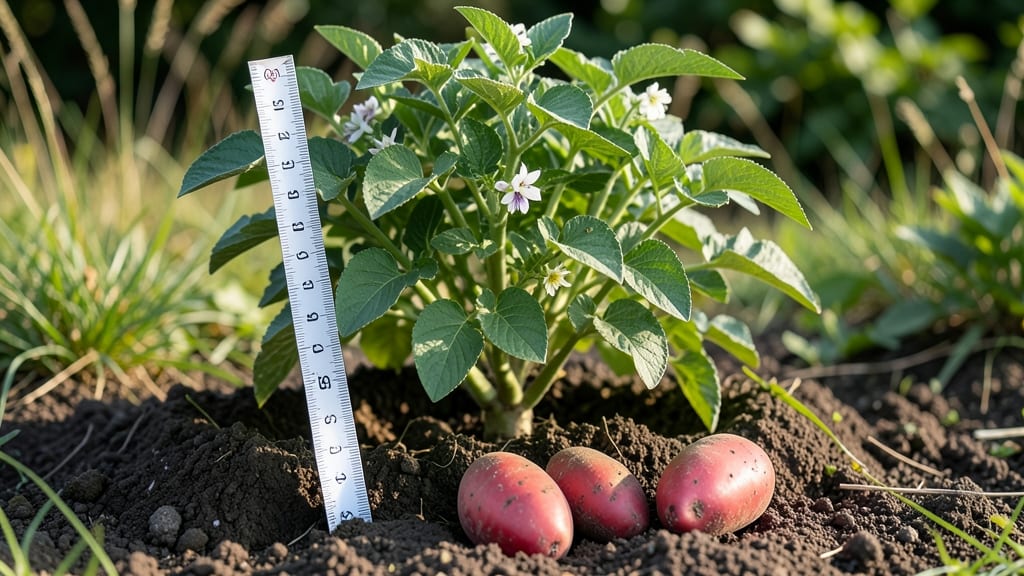
If you’re wondering "how tall do red potato plants grow", you’re not alone—many gardeners assume these tubers need sprawling space, but the truth is far more flexible. 🥔 These vibrant plants actually thrive in tight spots, making them perfect for containers, balconies, or even small backyard plots.
The height of your red potato plants depends on the variety, but most stay between 1 and 3 feet tall, with some compact types reaching just 12-18 inches. That means you can grow them in pots, raised beds, or even stacked containers without sacrificing yield.
The key? Choosing the right variety and giving them proper spacing from the start.
Whether you’re working with Red Pontiac or Red Norland, understanding their growth habits helps you plan for success. Bushy varieties stay low, while others send out vines—both can be managed with simple pruning or trellising.
Let’s break down exactly what to expect and how to keep your plants happy in any space.
From container setups to in-ground planting, I’ll show you how to maximize growth without overcrowding. Ready to turn even a tiny patch of soil into a potato powerhouse? Let’s dig in!


Red potato plant height guide: from dwarf to vining varieties
Red potato plants (like Red Pontiac or Red LaSoda) are surprisingly adaptable, but their foliage height varies dramatically by variety. Most mature between 1 to 3 feet tall, but some compact types stay under 18 inches—perfect for containers or small plots.
Understanding these differences helps you choose the right variety for your space while maximizing tuber production.
The height of your red potato plants directly impacts how you space them. Tall vining types (like Red LaSoda) need more room to sprawl, while bush varieties (like Red Norland) stay compact. Even in containers, proper spacing prevents competition for nutrients, which can stunt growth and reduce yield.
Here’s how height breaks down by growth habit and variety—plus how to adapt your garden layout for each type:
| Variety | Growth Habit | Mature Height | Ideal Spacing (In-Ground) | Container Size | Notes |
|---|---|---|---|---|---|
| Red Pontiac | Bush | 18–24 inches | 12–18 inches apart | 5-gallon pot | Early maturing, great for small gardens |
| Red LaSoda | Vining | 24–36 inches | 18–24 inches apart | 10-gallon pot + trellis | Long vines; needs support |
| Red Norland | Bush | 20–24 inches | 12–18 inches apart | 7–10 gallon pot | Disease-resistant, good for containers |
| Red Thumb | Compact Bush | 12–18 inches | 10–12 inches apart | 3–5 gallon pot | Perfect for patio containers |
If you’re growing red potatoes in containers, container size matters more than height alone. Smaller varieties like Red Thumb thrive in 3–5 gallon pots, while vining types need 10+ gallons to support their sprawling foliage.
Always use pots with drainage holes to prevent waterlogging, which can rot tubers before harvest.
For in-ground planting, spacing is critical. Bush varieties (like Red Pontiac) can handle closer spacing (12 inches apart), while vining types need 18–24 inches to avoid shading neighbors. Crowding stresses plants, reducing both tuber size and overall yield.
Pruning vines (especially on Red LaSoda) can control height while redirecting energy to tuber production. I’ve found that pinching back vines to 12–18 inches tall encourages bushier growth and larger potatoes—without sacrificing sunlight exposure for lower leaves.
One common mistake is assuming taller plants produce more potatoes. In reality, foliage height and tuber yield aren’t directly correlated. Compact varieties often outperform tall vining types in containers because they allocate more energy to roots and tubers instead of vertical growth.
For urban gardeners, stackable containers are a game-changer. By growing Red Pontiac in 5-gallon pots on a vertical planter, I’ve harvested 5–7 potatoes per plant—with zero wasted space. Just ensure each pot gets 6+ hours of sun daily to prevent leggy, weak growth.
🌱
Red potato plant height guide: from dwarf to vining varieties
Red potato plants (Solanum tuberosum) come in a range of heights, from compact bush varieties to vigorous vining types, making them perfect for both spacious gardens and cozy containers. The key to maximizing your harvest lies in understanding these differences—especially if you're working with limited space.
Most red potato varieties reach 1 to 3 feet tall at maturity, but their growth habits vary significantly, affecting how you should space and support them.
For example, bush-type red potatoes like Red Pontiac stay under 2 feet tall, while vining varieties such as Red LaSoda can stretch up to 3 feet or more if left unchecked.
Knowing these distinctions helps you plan your garden layout, whether you're growing in 5-gallon buckets or a raised bed. Even a small difference in height can mean the difference between a crowded, stunted plant and a thriving, productive one.
| Variety | Height Range | Growth Habit | Ideal Spacing |
|---|---|---|---|
| Red Pontiac | 1–2 ft | Bush | 12–15 in apart |
| Red Norland | 2–3 ft | Semi-vining | 15–18 in apart |
| Red LaSoda | 3–4 ft | Vining | 18–24 in apart |
| Red Thumb | 1–2 ft | Bush | 12 in apart (container-friendly) |
If you're growing red potatoes in containers, choose bush varieties like Red Pontiac or Red Thumb to save space. These stay under 2 feet tall and thrive in 5-gallon pots or deeper containers.
For in-ground gardens, vining types like Red LaSoda can produce larger yields but need more room to sprawl—think of them like a small vine rather than a bush. Always leave at least 12 inches between plants to prevent competition for nutrients and sunlight.
Another factor influencing height is pruning. Regularly pinching back the top growth of vining varieties can encourage bushier, shorter plants while redirecting energy to tuber production. This is especially useful if you're growing in small spaces or want to control unruly vines.
Just avoid over-pruning, as this can reduce overall yield. Aim to trim once every 2–3 weeks during the growing season for the best results.
Soil quality also plays a role in how tall your red potatoes grow. Well-draining, loose soil with plenty of organic matter promotes healthier roots and foliage, while compacted or waterlogged soil can stunt growth.
Amend your soil with compost or aged manure before planting to give your potatoes the best start. A pH between 5.0 and 6.5 is ideal for red potato varieties, ensuring they absorb nutrients efficiently.
Finally, don’t forget that sunlight exposure directly impacts height and productivity. Red potatoes need at least 6 hours of full sun daily to grow vigorously. If you're growing in containers, place them in the sunniest spot available—even a south-facing patio can work if it gets enough light.
In shadier areas, expect slower growth and smaller yields, as the plants will focus energy on survival rather than producing tubers.