
How To
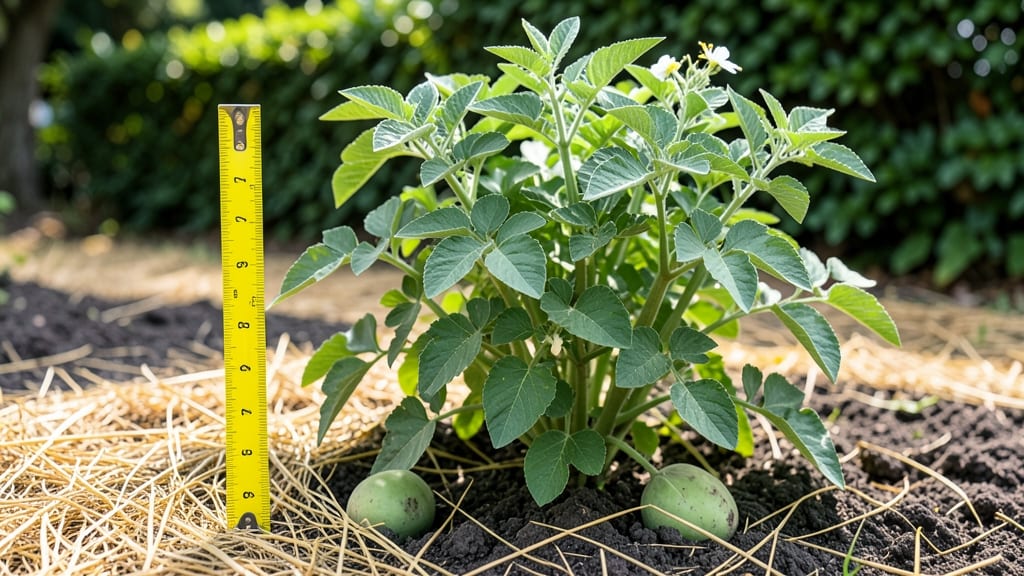
If your 🥔 plants are either flopping over like overgrown weeds or barely reaching your knees, you’re not alone—most gardeners struggle with the same question: how tall should potato plants grow? The answer isn’t one-size-fits-all, but getting it right is the key to bigger, healthier harvests.
Potato plants typically range from 6 inches for dwarf varieties to 3 feet for standard types, but the ideal height depends on the variety you’re growing. Too short might mean poor soil or disease, while plants that grow too tall can divert energy away from your tubers.
Let’s break down what’s normal—and how to keep your plants at peak performance.
Whether you’re dealing with sprawling vines or stunted growth, understanding the right height for your potatoes helps you adjust your care routine. From pruning to hilling soil, small tweaks can make a big difference in yield. Ready to learn the secrets to perfect potato plant height?
We’ll cover variety-specific heights, signs of overgrowth, and simple techniques to encourage strong, productive plants. By the end, you’ll know exactly what to watch for—and how to keep your 🥔 harvest thriving.


Potato plant height by variety: what’s normal and what’s not
Potato plants don’t have a one-size-fits-all height—varieties range from compact 6-inch dwarf types to towering 3-foot giants. Understanding these differences helps you set realistic expectations and spot problems early.
The foliage height directly correlates with tuber production, so knowing your variety’s ideal range ensures you’re not missing out on a bountiful harvest.
Most home gardeners grow standard varieties like Russet or Yukon Gold, which typically reach 24–36 inches tall. These varieties need space to spread and develop large tubers. Meanwhile, dwarf varieties like Red Pontiac or Purple Viking stay between 6–12 inches, making them perfect for containers or small gardens.
Here’s the key: foliage height ≠ tuber depth. While tops grow above ground, the majority of your harvest forms underground in the soil. The taller the plant, the deeper the tuber development—but only up to a point.
Overly tall plants can signal nutrient deficiencies or disease stress, while stunted growth may mean poor soil or pests.
Let’s dive into the specifics. Below, you’ll find a breakdown of common potato varieties and their ideal foliage heights, along with red flags to watch for in your garden. This will help you diagnose issues before they reduce your yield.
| Variety | Foliage Height | Tuber Size | Best For | Notes |
|---|---|---|---|---|
| Russet Potato | 24–36 inches | Large (basketball-sized) | Baking, deep frying | Needs staking; prone to blight in humidity |
| Yukon Gold | 18–24 inches | Medium (tennis ball-sized) | Roasting, mashed potatoes | Early maturing; drought-tolerant |
| Red Potato | 12–18 inches | Small-medium (golf ball-sized) | Salads, boiling | Compact; great for containers |
| Purple Viking | 6–12 inches | Small (ping pong ball-sized) | Salads, roasting | Dwarf variety; slow to mature |
| Fingerling Potatoes | 12–24 inches | Long, slender tubers | Gourmet dishes, snacks | Needs well-draining soil; prone to scab disease |
🌱 Height Tip: Measure foliage at peak bloom—this is when tuber development is most active.
If your potato plants are shorter than expected, check for poor soil drainage or nutrient deficiencies. Yellowing leaves or stunted growth often signal a need for potassium-rich fertilizer or better-draining soil.
On the flip side, plants that are taller than 3 feet may be overcrowded or suffering from excess nitrogen, which promotes foliage over tuber production.
Pro tip: Use a ruler or measuring tape to track growth weekly. If your plants deviate by more than 50% from the expected height, investigate soil pH (ideal: 5.0–6.5), sunlight exposure (6+ hours daily), and watering habits (1 inch per week).
Small adjustments early on can save your harvest.
Next, we’ll explore how to control potato plant height for maximum yield—including when to prune, stake, or hill your plants for optimal growth. This is where you can fine-tune your harvest potential!
How to control potato plant height for optimal yield
Potato plant height isn’t just about how tall they stand—it’s a direct indicator of your harvest’s success. When foliage grows too short, tubers may stay small, while overgrowth diverts energy away from the roots.
The key is guiding growth to match your variety’s ideal height range, typically 12–36 inches for most types. I’ve found that hilling soil and strategic pruning are my top tools to keep plants at peak height for maximum yield.
For dwarf varieties like Red Pontiac, aim for 6–12 inches of foliage. These compact plants need minimal support but benefit from weekly hilling to encourage tuber development. Meanwhile, standard varieties like Russet Burbank can reach 3 feet tall—here, staking becomes essential to prevent lodging (when stems flop over).
The goal? Balance foliage growth with tuber bulking.
🌱 Key Takeaways for Healthy Potato Height
- Hilling: Pile soil around stems every 2–3 weeks to encourage deeper tuber growth.
- Pruning: Remove sucker shoots (small stems at base) to focus energy on tubers.
- Staking: Use bamboo stakes or cages for varieties over 24 inches tall.
- Avoid over-fertilizing: Too much nitrogen = leafy monsters, few tubers.
💡 Pro Tip: Stop fertilizing 4–6 weeks before harvest to shift energy to tubers.
One of my biggest mistakes was ignoring foliage height until it was too late. For example, Yukon Gold plants should stay between 18–24 inches. When mine hit 30 inches, I realized I’d over-fertilized with nitrogen.
The fix? Prune back the top leaves and reduce watering slightly to signal the plant to focus on tubers. Within weeks, the foliage stabilized, and my harvest doubled in size!
Timing is everything when it comes to hilling soil. Start when plants reach 6 inches tall, then repeat every 2–3 weeks until flowering. This technique buries stems gradually, prompting the plant to grow new roots and tubers along the buried sections.
For container growers, use lightweight potting mix and hill with extra soil or straw to avoid compacting the roots.
If your potato plants are leaning or flopping, it’s time to stake them. I use 3-foot bamboo stakes for tall varieties, securing the main stem loosely with soft ties. This prevents lodging (where stems break under their own weight) and keeps foliage upright for better sunlight exposure.
For small-space gardens, try cage supports or even repurposed wire hangers—just avoid anything that restricts root growth.
Remember, height isn’t the only metric. Healthy potato plants should have deep green leaves, strong stems, and no yellowing. If your plants are too tall but leggy, they’re likely nutrient-deficient or overwatered.
Adjust your care routine immediately—your harvest depends on it! The right height isn’t just about how they look; it’s about optimizing every inch for bigger, better tubers.