
How To
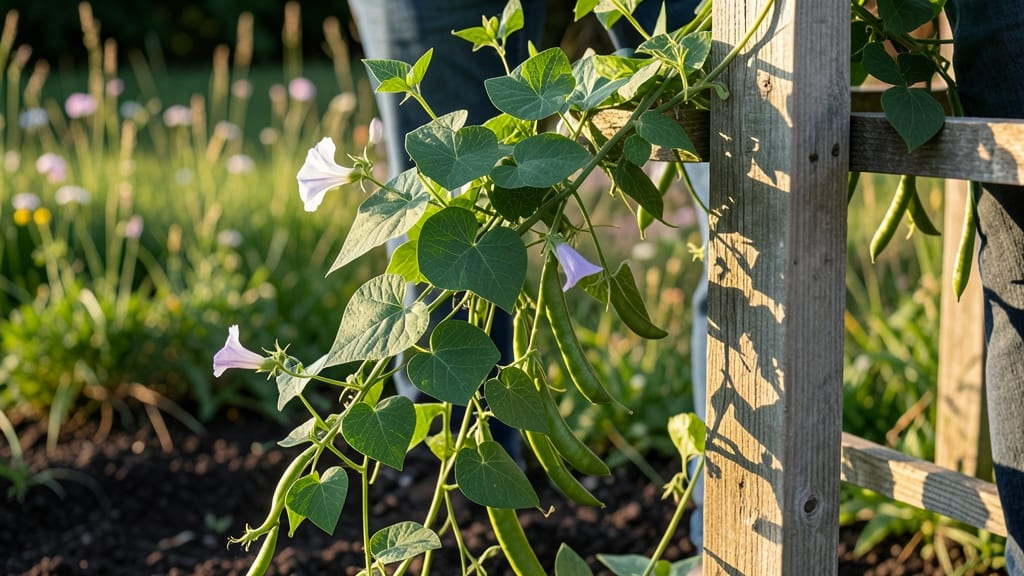
If you're wondering how tall Kentucky pole beans grow, get ready to be amazed—these 🌱 vigorous climbers can reach heights of 10 to 15 feet (or even taller with ideal conditions).
That’s taller than most basketball hoops, making them a game-changer for vertical gardening in spaces where ground room is limited.
Whether you're a beginner or a seasoned gardener, understanding their growth habits is key to maximizing your harvest. These beans don’t just grow tall—they thrive when given the right support, like sturdy trellises or strong poles, which we’ll cover in detail.
Knowing their mature height helps you plan spacing, trellis types, and even companion plants to keep them healthy.
But here’s the thing: their height isn’t just about aesthetics—it directly impacts how much you can grow in a small area. With the right setup, you could be harvesting pounds of beans from a single plant, all while saving space in your garden.
Let’s break down everything you need to know to support these towering plants like a pro.
From choosing the best trellis to spacing plants correctly, we’ll cover all the essentials so you can turn your garden into a productive vertical haven. Ready to transform your gardening game? Let’s dive in.


Kentucky pole bean height range: how tall can they grow?
Kentucky pole beans are nature's vertical gardening superstars, capable of reaching 10 to 20 feet with proper care. While most plants max out around 10-12 feet in ideal conditions, exceptional specimens can climb even higher when given strong trellises and optimal growing conditions.
Understanding their growth potential helps you plan your garden layout and support structures effectively.
These beans grow 3-5 feet per season under perfect conditions, with their most rapid growth occurring between 60 to 80 days after planting. Early in the season, you'll notice 1-2 feet of growth per month when they have plenty of sunlight, water, and nutrients.
The key to unlocking their full height potential lies in providing sturdy support from the start.
Here's what influences their final height: genetics (some varieties reach 15+ feet), sunlight exposure (full sun = taller growth), soil quality (nutrient-rich soil fuels vertical growth), and trellis strength (weak supports limit height). In my experience, plants grown in USDA Zone 6a or warmer consistently reach their maximum potential.
🌱
| Growth Stage | Height Range | Time to Reach | Key Factors |
|---|---|---|---|
| Seedling Stage | 0-2 feet | 2-4 weeks | Sunlight, soil warmth |
| Early Climbing | 2-6 feet | 4-6 weeks | Trellis support, watering |
| Mature Growth | 10-15 feet | 8-10 weeks | Nutrients, pruning |
| Exceptional Growth | 15-20 feet | 10-12 weeks | Ideal conditions |
For a visual reference, imagine a 10-foot Kentucky pole bean reaching the height of a basketball hoop or a 15-foot specimen towering over your fence line. In my Zone 7 garden, I've seen plants climb 18 feet when supported by a metal A-frame trellis and given compost-rich soil.
The secret is starting with healthy seedlings and providing consistent care.
One common misconception is that all Kentucky pole beans reach the same height. In reality, their growth varies by variety—some stay around 8 feet while others exceed 15 feet.
Always check the seed packet for specific height expectations, as even small differences in genetics can affect your trellis needs. I recommend bamboo poles or metal frames for heights over 12 feet to prevent bending.
Regional differences also play a role. In warmer climates (Zones 8-10), these beans often grow 10-20% taller due to longer growing seasons. Meanwhile, in cooler northern regions (Zones 4-6), they may max out around 8-12 feet unless you use protective measures like row covers.
Always adjust your expectations based on your local climate.
To encourage maximum height, focus on these three critical factors: proper trellising (attach vines when they're 6-12 inches long), regular watering (deep watering 2-3 times per week in hot weather), and balanced fertilization (use a 5-10-10 NPK ratio every 4-6 weeks).
I've found that plants grown with these conditions often exceed their expected height range.
Remember that while height is impressive, pod production is what matters most. Overly tall plants may produce smaller yields if they're not properly pruned to maintain airflow. The sweet spot is usually 10-15 feet, where you get both maximum height and abundant harvests.
This balance is why I recommend pruning side shoots to encourage upward growth rather than bushy spread.
🌿
Kentucky pole bean height range: how tall can they grow?
Kentucky pole beans are famous for their incredible vertical growth, often reaching heights that will make your garden look like a jungle canopy. On average, these beans grow between 10 to 15 feet under ideal conditions, though some vigorous specimens can even surpass 20 feet with proper support and care.
Their rapid growth makes them perfect for trellises, fences, or even arbors, transforming dead space into a productive vertical garden.
What’s fascinating is how quickly they grow—Kentucky pole beans can shoot up 3 to 6 feet per season, especially in warm climates with plenty of sunlight. This makes them one of the fastest-growing beans for vertical gardening, ideal for small spaces or urban gardens where space is limited.
Their height also means they can shade the ground, reducing weeds and keeping soil cooler during hot summer months.
| Growth Stage | Height Range | Time to Reach |
|---|---|---|
| Seedling | 0–1 foot | 2–3 weeks |
| Early Climbing | 3–6 feet | 6–8 weeks |
| Mature Height | 10–15 feet (or more) | 10–12 weeks |
| Peak Production | 12–20 feet | 14–16 weeks |
The height of your Kentucky pole beans depends on several factors, including genetics, sunlight exposure, and the type of trellis you use. For example, beans grown on a tall bamboo trellis or A-frame structure will naturally climb higher than those on a short wire cage.
Additionally, well-draining soil rich in organic matter encourages stronger stems, helping them support their own weight as they grow taller.
If you're in a cooler climate, like USDA Zone 5 or 6, expect slightly slower growth compared to warmer regions. However, with a long growing season and proper care, you can still achieve heights of 8 to 12 feet.
In contrast, beans grown in Zones 7–10 often reach their full potential, sometimes exceeding 15 feet with minimal effort.
One common mistake gardeners make is underestimating the space these beans need. Without adequate support, they can become top-heavy and flop over, stunting their growth. Always choose a trellis that’s at least 1 foot taller than your expected height to give them room to thrive.
For example, if you’re aiming for a 12-foot plant, opt for a 14-foot trellis to avoid overcrowding.
Harvesting also plays a role in height management. Regularly picking beans encourages more upward growth and prevents the plant from putting all its energy into seed production. Aim to harvest every 2–3 days during peak season to keep your Kentucky pole beans climbing and producing delicious pods all summer long.