
How To
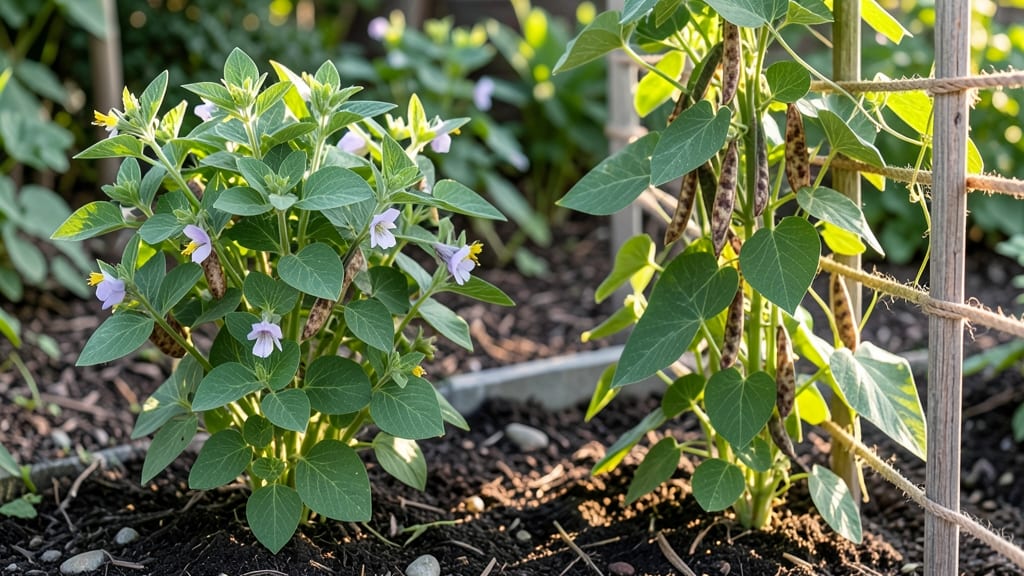
Pinto bean height by variety: bush vs. pole growth comparison
Pinto beans offer two distinct growth habits that dramatically impact their mature heights: bush varieties stay compact, while pole varieties reach towering heights with proper support. Understanding these differences helps you plan your garden layout and choose the right varieties for your space.
For bush varieties, expect heights between 2 to 3 feet, making them ideal for small gardens, containers, or urban spaces. These varieties produce pods directly from the plant’s main stem and branches, creating a neat, low-growing bush that’s easy to maintain.
Pole varieties, on the other hand, can climb 4 to 6 feet tall or even higher with strong trellis support. These varieties are perfect for vertical gardening, saving space in your yard while maximizing yield. Their vining habit requires sturdy structures to guide their growth upward.
Here’s a quick comparison to visualize the differences:
| Variety Type | Mature Height | Growth Habit | Space Needs | Ideal For |
|---|---|---|---|---|
| Bush Varieties | 2–3 ft | Compact, non-climbing | 1–2 ft apart | Small gardens, containers |
| Pole Varieties | 4–6 ft+ | Climbing, requires support | 3–4 ft apart (with trellis) | Vertical gardens, trellises |
Popular bush varieties like ‘Bush Pinto’ or ‘Othello’ are perfect for gardeners with limited space, while pole varieties such as ‘Santa Fe’ or ‘Golden Gate Wax’ thrive when given vertical support.
If you’re unsure which to choose, consider your garden’s layout and how much maintenance you’re willing to invest in trellises.
For container gardening, bush varieties are the clear winners due to their smaller size. However, even pole varieties can adapt if you use a dwarf trellis or a small teepee structure in pots. Just ensure your container is at least 12–15 inches deep to accommodate their root systems.
In larger gardens, pole varieties shine by maximizing vertical space. A 6-foot trellis can support multiple plants, increasing your yield without expanding your garden’s footprint.
For example, a teepee trellis made from bamboo stakes or a DIY A-frame trellis provides excellent support for pole beans while adding visual interest to your garden.
If you’re growing pinto beans in rows, bush varieties should be spaced 18–24 inches apart in rows that are 2–3 feet apart.
For pole varieties, plant seeds 3–4 inches apart at the base of your trellis, allowing 3–4 feet of space between plants to ensure they have room to climb without overcrowding.
One common mistake is assuming all pinto beans are the same height. Bush varieties mature quickly—often in 50–60 days—while pole varieties take longer, around 70–90 days, to reach their full height. Plan your planting schedule accordingly to avoid overcrowding or underutilized space.
For urban gardeners or those with small patios, consider dwarf pole varieties like ‘Blue Lake Bush’, which can reach 3–4 feet tall with support but stay manageable. These hybrids offer a middle ground, combining the productivity of pole beans with the space-saving benefits of bush types.
🌱
Pinto bean height by variety: bush vs. pole growth comparison
Pinto beans come in two primary growth habits: bush varieties and pole varieties, each with distinct height ranges that impact your garden layout. Bush pinto beans stay compact, typically reaching 2–3 feet tall, making them ideal for small spaces or container gardening. Pole pinto beans, on the other hand, can climb 4–6 feet tall or higher with proper support, maximizing vertical space in your garden.
Understanding these differences helps you choose the right variety for your available area.
If you’re working with limited space, bush varieties like 'Bush Pinto' or 'California Pink' are perfect—they grow in neat, low bushes that don’t require trellises. For taller gardens or vertical gardening, pole varieties such as 'Oaxacan' or 'Golden Gate Wax' will thrive when given a sturdy trellis or teepee structure.
Both types produce delicious beans, but their growth habits dictate how you’ll plan your garden.
| Variety Type | Mature Height | Growth Habit | Space Needs | Best For |
|---|---|---|---|---|
| Bush Pinto | 2–3 ft | Compact bush | 3–4 ft apart | Small gardens, containers |
| California Pink | 2–3 ft | Bush | 3 ft apart | Urban gardens, balconies |
| Oaxacan | 4–6 ft | Pole climber | Trellis or 6 ft apart | Vertical gardens, fences |
| Golden Gate Wax | 5–7 ft | Pole climber | Trellis or 8 ft apart | Large gardens, trellises |
When planning your garden, consider the mature height of each variety to avoid overcrowding. Bush varieties are self-supporting and don’t need additional structures, while pole varieties will sprawl or flop without a trellis.
For example, if you’re growing 'Oaxacan' pinto beans, allocate at least 6 feet of vertical space or install a 5-foot trellis to keep them contained and productive. This ensures your plants have room to thrive without competing for space.
Another key factor is planting distance. Bush varieties can be spaced 3–4 feet apart, while pole varieties need 6–8 feet of clearance if left unsupported. If you’re short on horizontal space, consider vertical gardening with trellises or teepees to save room while still enjoying a bountiful harvest.
This approach is especially useful in small yards or community gardens where space is limited.
For gardeners in USDA Zones 6–9, both bush and pole pinto beans perform well, but pole varieties often yield more pods when given adequate support. If you’re new to growing beans, start with a bush variety to practice spacing and care before tackling taller climbers.
Once you’re comfortable, experiment with pole varieties to see how they transform your garden’s vertical potential.
One common mistake is underestimating the growth potential of pole beans. Without proper support, they’ll sprawl across the ground, reducing air circulation and increasing the risk of disease. Always provide a sturdy trellis or cage for pole varieties to encourage upward growth and make harvesting easier.
With the right support, your pinto beans can reach their full height and produce a generous harvest.