
How To
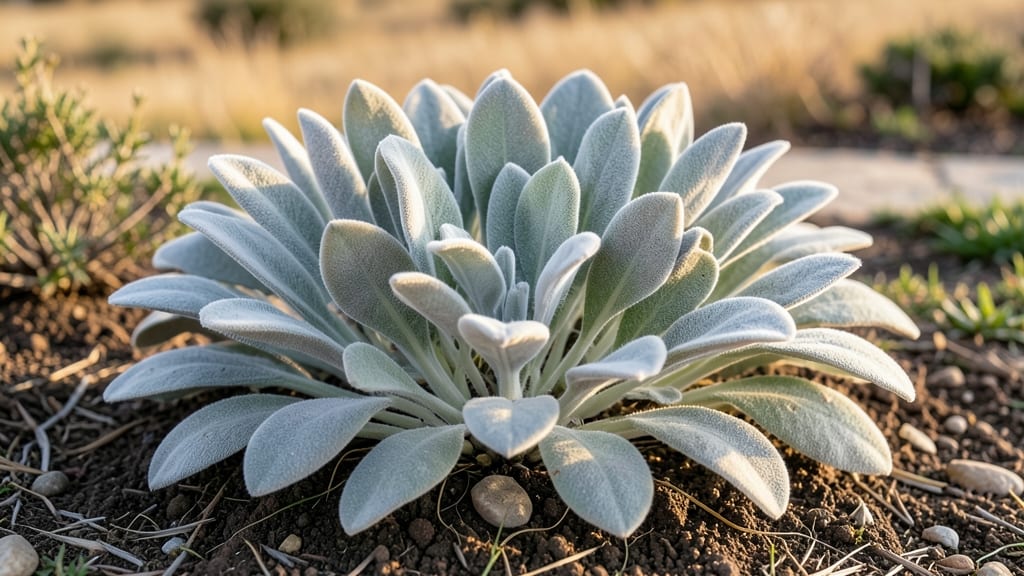
If you’ve ever wondered how tall do Lamb's Ear plants grow, the answer might surprise you—these fuzzy, velvety beauties stay compact and tidy, making them perfect for borders, containers, and even rock gardens.
Unlike sprawling perennials, Lamb’s Ear 🌿 typically reaches just 12 to 18 inches at maturity, with some dwarf varieties staying as short as 6 inches. That means you can tuck them into tight spaces without worrying about them outgrowing their welcome.
The key to keeping them at their ideal height lies in their care routine. Planting in full sun (at least 6 hours daily) encourages bushier growth, while partial shade can lead to leggier stems.
Since they’re not aggressive spreaders, proper spacing—about 12 inches apart—prevents overcrowding and ensures each plant has room to thrive without competing for nutrients.
What’s even better? Lamb’s Ear is a low-maintenance perennial that rewards patience. In their first year, they might only hit 6 to 12 inches, but by year two, they’ll fill out beautifully. Pruning spent blooms in early summer keeps them looking neat and encourages more foliage.
Whether you’re a beginner gardener or a seasoned pro, this plant’s manageable size makes it a game-changer for small gardens or urban spaces.
Ready to add some texture to your landscape? I’ll walk you through everything you need to know to keep your Lamb’s Ear looking its best—from sunlight tips to spacing secrets. Let’s get growing!


Lamb’s Ear plant height guide: typical growth ranges by variety
If you’re planning your garden layout, knowing how tall Lamb’s Ear plants grow is key to creating a balanced, low-maintenance design. These fuzzy, silver-leaved perennials are prized for their neat, compact growth and velvety texture, but their mature size varies by variety.
Most stay under 18 inches tall, making them perfect for borders, rock gardens, or container plantings.
In my own garden, I’ve found that Lamb’s Ear (Stachys byzantina) typically reaches 12–18 inches tall and spreads 12–24 inches wide when mature. This makes them ideal for filling gaps without overwhelming smaller plants.
Their slow, clumping growth habit means they won’t crowd out neighbors, even in tight spaces.
Sunlight exposure plays a huge role in their height. When planted in full sun (6+ hours daily), Lamb’s Ear tends to grow slightly taller and bushier. In partial shade (3–6 hours of sun), they may stay shorter but produce even softer, more velvety foliage. I’ve noticed this firsthand with my 'Helen von Stein' variety—it thrives in partial shade and stays around 10–14 inches tall.
Here’s a quick breakdown of how three popular varieties compare in terms of height and spread:
| Variety | Mature Height | Spread | Sunlight Needs | Best For |
|---|---|---|---|---|
| Stachys byzantina (Standard) | 12–18" | 12–24" | Full sun to partial shade | Borders, rock gardens |
| 'Big Ears' | 18–24" | 24–36" | Full sun | Back of borders, mass plantings |
| 'Helen von Stein' | 10–14" | 12–18" | Partial shade | Woodland gardens, containers |
For first-year growth, expect Lamb’s Ear to stay much smaller—typically 6–12 inches tall. This is why many gardeners plant them in spring after the last frost (around April 15 in most zones) to give them plenty of time to establish before winter.
In my experience, year-old plants often reach 50% of their mature height by early summer.
One common misconception is that Lamb’s Ear will sprawl uncontrollably. While they do spread via rhizomes, their growth is slow and predictable. If you notice them encroaching on neighbors, a simple spring pruning (cutting back by 1/3) keeps them in check.
I’ve also found that well-draining soil with compost added encourages denser, more upright growth.
In containers or hanging baskets, Lamb’s Ear stays even more compact—often 8–12 inches tall—because root growth is restricted. This makes them perfect for balcony gardens or mixed containers with thyme, sedum, or ornamental grasses. Just ensure the pot has drainage holes to prevent root rot.
If you’re growing Lamb’s Ear for its silver foliage contrast, aim for full sun to enhance their color. In shadier spots, the leaves may green up slightly but remain just as soft.
For longer bloom periods (though flowers are less showy than the leaves), deadhead spent blooms in early summer to redirect energy into foliage growth.
Remember, pruning in early spring stimulates bushier growth, while shearing after flowering keeps plants tidy. I’ve seen Lamb’s Ear live for 10+ years in the right conditions, making it a low-maintenance perennial that rewards patience with its velvety texture and drought tolerance. 🌿
Lamb’s Ear plant height guide: typical growth ranges by variety
Lamb’s Ear (Stachys byzantina) is famous for its soft, fuzzy foliage and neat growth habit. Most varieties stay compact and low-growing, making them perfect for borders, rock gardens, or container plantings. Understanding their mature height ranges helps you plan your garden layout and avoid overcrowding.
The standard Lamb’s Ear typically reaches 12–18 inches tall at maturity, with a similar spread. This makes it ideal for foreground planting or as a ground cover substitute.
However, some varieties, like 'Big Ears', can grow slightly taller—up to 24 inches—while others, such as 'Helen von Stein', stay shorter at 6–12 inches.
| Variety | Mature Height | Spread | Sunlight Needs |
|---|---|---|---|
| Standard Lamb’s Ear | 12–18 inches | 12–18 inches | Full sun to partial shade |
| 'Big Ears' | 18–24 inches | 18–24 inches | Full sun |
| 'Helen von Stein' | 6–12 inches | 12–18 inches | Partial shade |
| 'Silver Carpet' | 6–10 inches | 12–18 inches | Full sun |
Sunlight plays a key role in determining how tall your Lamb’s Ear grows. In full sun, plants often reach their maximum height and develop denser foliage.
However, in partial shade, they may stay shorter but produce softer, more velvety leaves. This adaptability makes them versatile for shady spots or sunny borders.
Pruning can also influence height. If you shear back spent blooms or overgrown stems in early spring, you encourage bushier growth and prevent legginess. This is especially useful for 'Big Ears', which can become top-heavy without regular maintenance.
For container gardening, choose dwarf varieties like 'Silver Carpet' to keep your pots neat and compact. In ground beds, space plants 12–18 inches apart to allow for natural spreading while maintaining an organized look.
With the right care, your Lamb’s Ear will thrive as a low-maintenance perennial for years.
Remember, the softer the leaves, the healthier the plant—so avoid overwatering, which can lead to leaf rot or stunted growth. With proper sunlight and well-draining soil, you’ll enjoy lush, velvety foliage season after season. 🌿