
How To
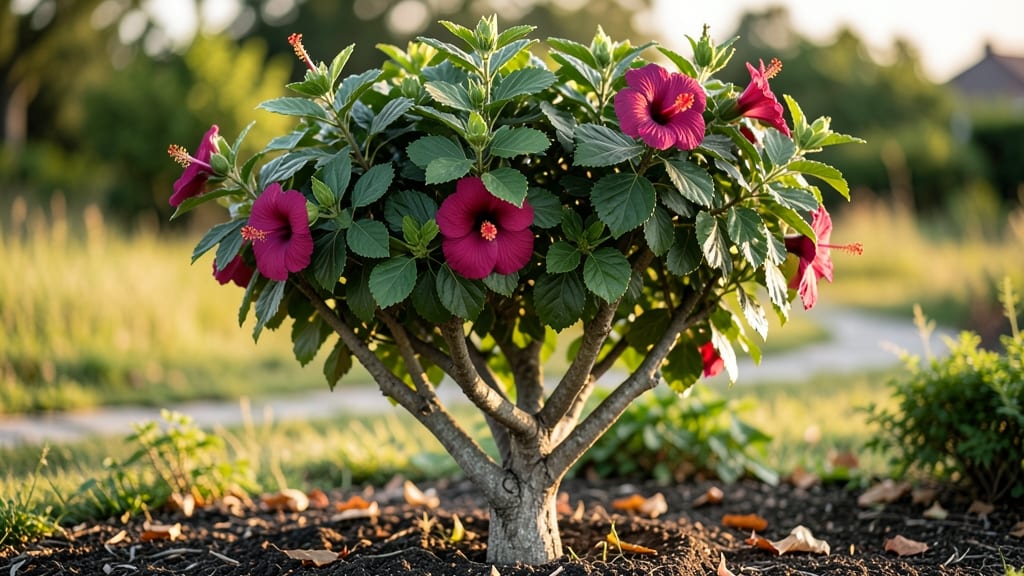
Wondering how tall does a hibiscus tree grow in your backyard? The answer might surprise you—this stunning 🌺 can reach heights from a modest 6 feet to a towering 20 feet, depending on the variety and care you provide.
If you're dreaming of a Hibiscus Tree that adds drama to your landscape, knowing its growth potential is the first step. Tropical hibiscus varieties often grow taller, while hardy types stay more compact.
But here's the secret: with the right pruning techniques, you can shape your hibiscus into whatever size fits your space—whether that's a small patio specimen or a grand backyard centerpiece.
Sunlight, soil quality, and regular maintenance all play crucial roles in determining how tall your hibiscus will grow. Too much shade or neglect can lead to unruly growth, while proper care keeps it lush and manageable.
Let's explore how to control its height and keep it thriving in USDA Zone 6.
Ready to transform your garden? I'll show you exactly when and how to prune for the perfect hibiscus height, plus common mistakes that make these beauties grow wild. Your dream hibiscus is closer than you think!


Natural height range of hibiscus trees: from dwarf to towering specimens
When I planted my first hibiscus tree three years ago, I had no idea it would grow taller than our second-story window! Understanding the natural height range of hibiscus trees is crucial for planning your garden layout.
These stunning plants can vary dramatically in size depending on the species and growing conditions. Some stay compact and bushy, while others reach towering heights that require strategic placement.
The mature height of a hibiscus tree typically ranges from 8 feet for dwarf varieties to an impressive 20 feet for standard tropical specimens. This variation means you can choose a hibiscus that fits perfectly in your space, whether you have a small balcony or a spacious backyard.
The key factors influencing height include the species type, climate, and how much you prune.
Here’s a quick look at how different hibiscus varieties compare in terms of height. This will help you visualize which type might suit your garden best.
| Variety | Mature Height | Growth Rate | Best For |
|---|---|---|---|
| Dwarf Hibiscus (e.g., 'Lima' or 'Piebald') | 8–12 ft | Moderate | Containers, small gardens |
| Semi-Dwarf Hibiscus (e.g., 'Lord Lamington') | 12–15 ft | Fast | Medium spaces, privacy screens |
| Standard Tropical Hibiscus (e.g., 'Hawaiian Sunset') | 15–20 ft | Very Fast | Large gardens, tropical landscapes |
| Hardy Hibiscus (e.g., 'Arctic Sun') | 6–10 ft | Slow to Moderate | Cold climates, borders |
If you're growing hibiscus in tropical climates, expect faster growth and taller heights. For example, a tropical hibiscus in Florida can reach 20 feet in just 5 years, while the same variety in a cooler climate like USDA Zone 7 might max out at 12–15 feet.
This is because tropical hibiscus thrive in warmth and humidity, while hardy varieties adapt better to cooler temperatures.
Another factor to consider is the growth rate in the first few years. Most hibiscus trees grow 3–5 feet in their first year, then add 2–4 feet annually until they reach maturity.
This means if you plant a standard hibiscus, you could have a 10-foot tree by year three. Planning for this growth ensures your hibiscus won’t outgrow its welcome in your garden.
For those with limited space, dwarf varieties are an excellent choice. They’re perfect for containers or small gardens and can be pruned to maintain a compact shape. Even standard varieties can be kept smaller with regular pruning and training.
I’ve seen hibiscus trees shaped into small trees or even espaliered along fences—proof that size is manageable with the right care.
One common misconception is that all hibiscus trees grow tall by nature. In reality, their height is heavily influenced by pruning habits. Without pruning, a hibiscus will grow as tall as its genetics allow, often becoming leggy and less bushy.
Pruning not only controls height but also encourages more blooms and a fuller appearance. I’ve found that pruning in late winter or early spring gives the best results for managing height while promoting vibrant flowers.
Soil quality and sunlight also play a role in height. Hibiscus trees need well-draining soil and full sun (6+ hours daily) to thrive. Poor soil or shade can stunt growth, but it won’t necessarily make the tree shorter—it might just make it weaker and less healthy.
Always amend your soil with compost to provide the nutrients your hibiscus needs to grow strong and tall (or short, depending on your goals).
If you’re still unsure which hibiscus to choose, consider your garden’s layout and maintenance preferences. For a low-maintenance option, hardy hibiscus varieties are ideal. For a showstopping focal point, tropical hibiscus will deliver dramatic results.
Either way, understanding the natural height range ensures you’ll love your hibiscus for years to come. 🌺
Natural height range of hibiscus trees: from dwarf to towering specimens
Hibiscus trees are famous for their dramatic blooms, but their height can vary dramatically depending on the species and growing conditions. On average, a mature hibiscus tree reaches 15 to 20 feet tall, but some varieties stay compact at just 6 to 10 feet.
The key difference lies in whether you’re growing a tropical hibiscus (like Hibiscus rosa-sinensis) or a hardy hibiscus (like Hibiscus syriacus). Tropical types often grow taller, while hardy varieties tend to be more manageable.
Climate plays a huge role too. In warm, humid zones (USDA 9-11), hibiscus trees can grow aggressively, reaching their full height faster. But in cooler climates (USDA 5-8), growth slows, and hardy varieties may only reach 8 to 12 feet without aggressive pruning.
Even within the same species, a hibiscus in a sun-drenched backyard will outpace one growing in partial shade.
Here’s how height breaks down by variety and growing conditions:
| Variety | Mature Height | Growth Rate | Climate Suitability |
|---|---|---|---|
| Tropical Hibiscus (e.g., Hibiscus rosa-sinensis) | 15–20 ft | Fast (3–5 ft/year) | USDA 9–11 |
| Hardy Hibiscus (e.g., Hibiscus syriacus) | 8–12 ft | Moderate (2–3 ft/year) | USDA 5–9 |
| Dwarf Hibiscus (e.g., 'Lil’ Kim') | 6–8 ft | Slow (1–2 ft/year) | USDA 7–11 |
| Container-Grown Hibiscus | 3–6 ft | Controlled (pruning-dependent) | All zones (potted) |
If you’re planting a hibiscus in your backyard or patio, consider its final size early. A 20-foot tropical hibiscus near a house or power line will need regular pruning to avoid becoming a nuisance.
On the other hand, a dwarf variety in a container is perfect for small spaces or balconies. Always check the specific variety’s tags for exact expectations—some even stay under 5 feet with proper care!
Soil quality also affects height. Hibiscus trees thrive in well-draining, slightly acidic soil (pH 6.0–7.0). Poor soil can stunt growth, while rich, organic soil encourages rapid vertical expansion. Amend your soil with compost or peat moss before planting to give your hibiscus the best start.
This small step can mean the difference between a compact bush and a towering giant.
For those in cooler climates, hardy hibiscus varieties are your best bet. They’re bred to handle frost and grow more slowly, making them easier to manage. Pair this with annual pruning in late winter, and you can keep even a large hibiscus under control.
The key is balancing natural growth with your space and aesthetic goals—whether that’s a privacy screen or a centerpiece specimen.
🌺