
Plants
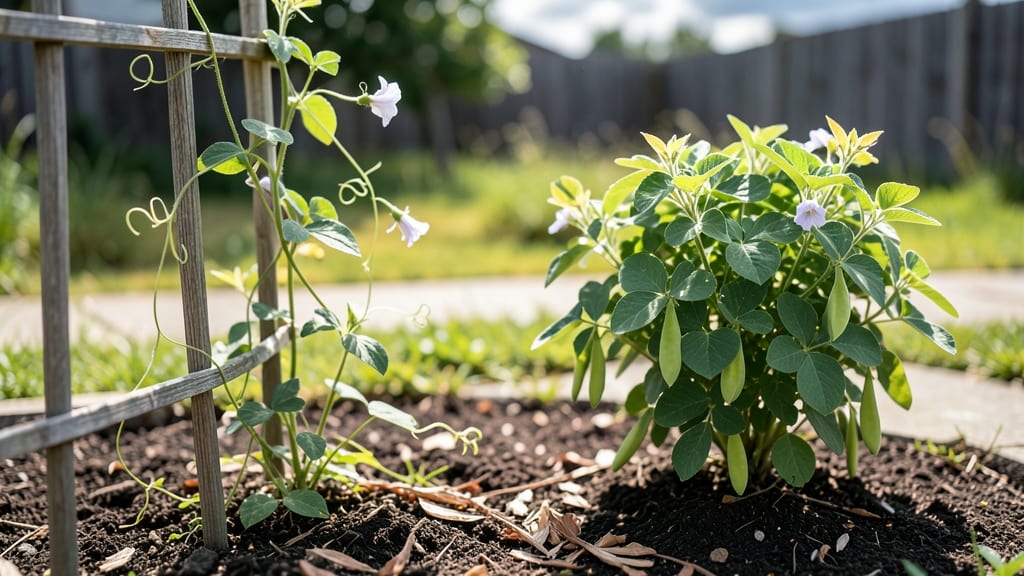
Wondering how tall do lima bean plants grow before deciding which variety to plant in your garden? The answer could change how you design your entire growing space!
Lima beans come in two main types: towering pole varieties that climb 10-20 feet like jungle vines, and compact bush varieties that stay neatly between 2-4 feet. That difference isn't just about height—it affects everything from trellis needs to harvest access.
Let me show you how to match the right variety to your garden's layout and growing style.
For space-conscious gardeners, bush varieties offer easier maintenance with less vertical real estate needed. But pole beans reward patient growers with higher yields when given proper support. I'll break down the key differences so you can make the best choice for your harvest goals.
Whether you're working with a small balcony container or a sprawling backyard plot, understanding these growth habits is the first step to maximizing your lima bean harvest. Let's get growing!


Lima bean plant height: pole vs bush varieties explained
When planning your lima bean garden, one of the first decisions you'll face is choosing between pole and bush varieties. These two types don't just differ in height—they also impact your garden layout, support needs, and even harvest timing.
Understanding their growth habits helps you maximize space and productivity. Let's break down the key differences so you can pick the perfect variety for your garden.
Pole lima beans are the tallest climbers in your garden, often reaching heights of 10 to 20 feet with proper support. These vining plants need structures like trellises, fences, or stakes to climb, making them ideal for vertical gardening.
Bush lima beans, on the other hand, stay compact, typically growing 2 to 4 feet tall, and don't require additional support. This makes them perfect for small gardens or container growing.
Here’s how these two varieties compare in terms of height, space requirements, and growth habits—so you can decide which fits your garden best.
| Variety | Height Range | Space Needs | Support Required | Growth Habit |
|---|---|---|---|---|
| Pole Lima Beans | 10–20 ft | Narrow (3–6 inches apart) | Yes (trellis, fence, or stakes) | Vining, climbs upward |
| Bush Lima Beans | 2–4 ft | Wide (6–12 inches apart) | No support needed | Bushy, compact growth |
Pole lima beans thrive when given room to climb, making them a fantastic choice for small-space gardens or urban areas where vertical growing is an advantage. Their towering height allows you to grow more plants in less ground space, and they often produce more pods per plant than bush varieties.
However, they do require sturdy support structures to handle their weight and prevent toppling in windy conditions.
Bush lima beans, while shorter, are low-maintenance champions for gardeners with limited vertical space. Their compact size makes them ideal for in-ground beds, containers, or even hanging baskets. Since they don’t need support, they’re perfect for beginners or those who prefer a more hands-off approach.
Just be sure to give them enough room to spread out—crowding can lead to poor air circulation and increased disease risk.
Another key factor to consider is harvest timing. Pole lima beans often mature slightly later than bush varieties because their energy goes into climbing and establishing vines. Bush varieties, however, tend to produce pods more quickly, giving you an earlier harvest.
If you're eager to enjoy fresh lima beans, bush varieties might be the way to go.
For gardeners with limited space, pole lima beans can be a game-changer. By training them to climb a trellis or fence, you can fit more plants into a smaller footprint while still enjoying a bountiful harvest.
Just ensure your support structure is tall enough—aim for at least 6–8 feet to accommodate the plant's full height potential. If you're growing in containers, opt for bush varieties or dwarf pole types to keep things manageable.
If you're still unsure which variety to choose, consider your garden’s layout and your personal preferences. Pole lima beans are perfect for vertical gardening enthusiasts who love the challenge of training vines, while bush varieties suit those who prefer a simpler, more straightforward approach.
Either way, both types bring delicious rewards to your table!
🌱
Lima bean plant height: pole vs bush varieties explained
When planning your lima bean garden, height differences between varieties can dramatically impact your space planning and support needs. Pole lima beans are the climbers of the bean world, reaching 10 to 20 feet tall with proper support, while bush lima beans stay compact at 2 to 4 feet.
These differences aren't just about aesthetics—they affect how you'll cultivate, harvest, and even choose your garden location.
Understanding these height variations helps you decide whether to dedicate vertical space with trellises or save room for other crops in your garden layout. For example, Fordhook 242 (a popular pole variety) can tower over your fence, while Henderson (a bush type) stays neatly contained.
Let’s break down the specifics so you can pick the perfect fit for your growing space.
| Variety Type | Mature Height | Growth Habit | Space Needs |
|---|---|---|---|
| Pole Lima Beans | 10–20 ft | Climbing vines | Vertical support (trellis) |
| Bush Lima Beans | 2–4 ft | Compact shrubs | 4–6" spacing |
Pole lima beans need strong support structures like trellises or stakes to reach their full height potential. Without support, they’ll sprawl across the ground, risking disease and reduced yields. Bush varieties, on the other hand, thrive in tight spaces and require minimal maintenance.
If your garden has limited vertical space, bush lima beans are the clear winner for easy access and low-maintenance growth.
Another key factor is harvesting convenience. Tall pole beans force you to bend or stretch, while bush varieties keep pods at waist height. For gardeners with mobility challenges, bush lima beans offer a practical solution.
However, if you love the idea of a dramatic vertical garden feature, pole beans add a stunning architectural element to your outdoor space.
For maximum yield, pole lima beans often produce more pods due to their extensive vine structure, but they demand more attention to training and support. Bush varieties may yield slightly less but compensate with easier care.
If you’re new to growing lima beans, starting with a bush variety like Christmas can help you build confidence before tackling the vertical challenge of pole beans.
Regardless of which type you choose, soil quality and sunlight play critical roles in achieving the height you want. Lima beans thrive in well-draining soil with 6+ hours of full sun daily.
Poor soil or shade can stunt growth, so prioritize these conditions to help your plants reach their full potential—whether that’s sky-high vines or neatly contained bushes.