
How To
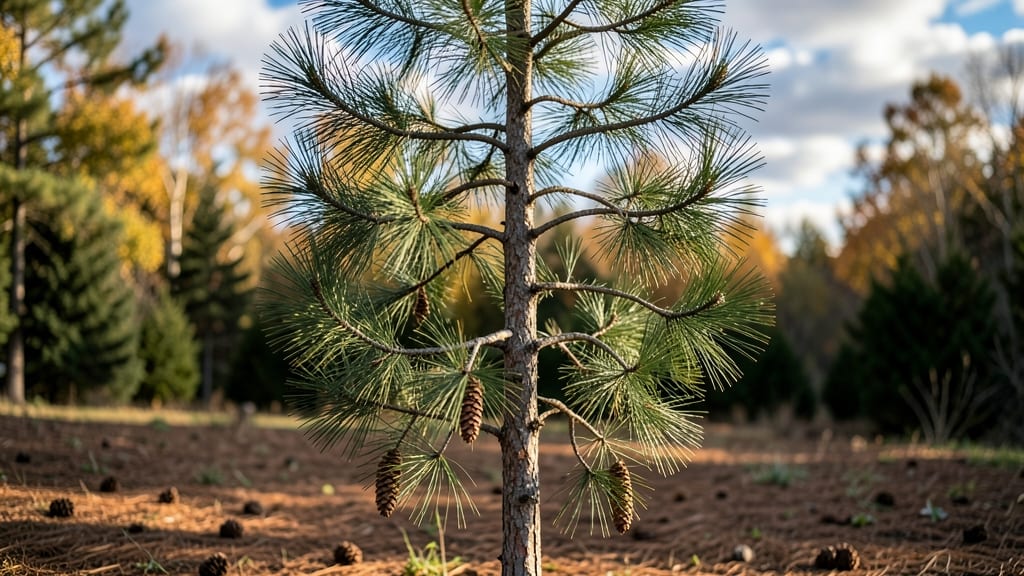
Lodgepole pine height by region: average mature sizes revealed
Lodgepole pines (Pinus contorta) are among the most adaptable pine species in North America, thriving in everything from coastal forests to high-elevation mountain slopes.
Their mature height can vary dramatically depending on where they grow—some reach 70 feet in ideal conditions, while others stay under 30 feet in harsh climates. Understanding these regional differences helps you predict growth potential whether you're planting in your yard or admiring wild stands.
The Rocky Mountains and Pacific Northwest are their strongholds, where lodgepole pines dominate landscapes. In these regions, they often reach their full height potential, especially in open, sunny areas with well-drained soils.
Elevation plays a huge role—trees at 6,000–9,000 feet may grow slower but live longer, while lower-elevation forests see faster growth but shorter lifespans due to competition.
Here’s how their mature heights compare across key regions, along with the environmental factors shaping their growth:
| Region | Average Mature Height | Key Growth Factors |
|---|---|---|
| Rocky Mountains (Colorado, Wyoming) | 40–60 ft | High elevation, cold winters, thin soils |
| Pacific Northwest (Washington, Oregon) | 50–70 ft | Mild winters, rich volcanic soils, less competition |
| Boreal Forests (Alaska, Canada) | 30–50 ft | Short growing season, permafrost, acidic soils |
| Coastal British Columbia | 60–80 ft (rare outliers) | High rainfall, mild temperatures, minimal frost |
| Cultivated Landscapes (USDA Zones 2–6) | 20–40 ft (if pruned) | Urban conditions, limited space, soil amendments |
In the Rocky Mountains, lodgepole pines often grow in dense stands, where competition for sunlight slows their vertical growth but increases their lifespan. Their needles are shorter (1–2 inches) and more clustered than their Pacific Northwest cousins, a classic adaptation to harsh conditions.
Here, mature trees typically hit 40–60 feet, with some outliers reaching 70 feet in ideal microclimates.
The Pacific Northwest is where lodgepole pines hit their growth stride. With milder winters and nutrient-rich soils, they can shoot up to 70 feet or more in open forests.
Coastal areas near Vancouver Island even host 80-foot giants, though these are rare. The key difference? Less frost stress and longer growing seasons fuel their rapid ascent.
If you’re planting lodgepole pines in your yard, remember: soil drainage is non-negotiable. These trees despise soggy roots, which can stunt growth or even kill young seedlings. Amend heavy clay soils with compost or sand to mimic their natural, well-drained habitats.
In urban settings, their height can be managed with annual pruning, though they’ll still outgrow most residential spaces within decades.
One surprising fact: lodgepole pines in Alaska’s boreal forests often grow slower but live longer than their coastal counterparts. The trade-off? Shorter heights (30–50 feet) but greater resilience to extreme cold.
This adaptability is why they’re one of the most widespread pine species in North America—from sea level to 10,000 feet elevation.
For home gardeners, the takeaway is clear: location dictates destiny. If you’re in USDA Zone 5 or warmer, expect faster growth and taller trees. In colder zones, growth will be slower, but with proper care, your lodgepole pine could still reach 50 feet over 50 years.
The secret? Patience and the right site conditions.
🌲
Lodgepole pine height by region: average mature sizes revealed
Lodgepole pines (Pinus contorta) are famous for their impressive height, but their mature size can vary dramatically depending on where they grow. In their native ranges—spanning the Rocky Mountains, Pacific Northwest, and boreal forests of Canada—they often reach 50–70 feet in ideal conditions.
However, elevation, soil quality, and competition from other trees can shrink or stretch their growth potential.
For example, in the drier, high-elevation areas of the Rockies, lodgepole pines typically max out around 40–50 feet due to harsher conditions. Meanwhile, in the moist, coastal regions of the Pacific Northwest, they can tower over 60–70 feet, benefiting from richer soils and milder climates.
These regional differences are critical for gardeners planning to cultivate them.
| Region | Avg. Mature Height | Key Influencing Factors |
|---|---|---|
| Rocky Mountains | 40–50 ft | High elevation, dry soil, cold winters |
| Pacific Northwest | 60–70 ft | Moist climate, rich soil, mild winters |
| Boreal Forests (Canada) | 30–45 ft | Short growing season, poor soil, competition |
| Cultivated Landscapes (USDA Zones 2–6) | 20–40 ft | Limited space, pruning, urban conditions |
Even within the same region, individual trees can vary by 10–20 feet due to genetic differences or local microclimates. For instance, a lodgepole pine growing in a sunny, open meadow may outstrip one planted in a shady, dense forest by nearly half its height.
This variability is why wild lodgepole pines often exceed cultivated ones in home gardens.
If you’re planting lodgepole pines in your yard, expect slower growth compared to their wild counterparts. In ideal home conditions—with full sun, well-draining soil, and minimal competition—they’ll typically reach 20–40 feet over 20–30 years.
Pruning young trees can also influence their final height, encouraging a bushier, shorter form if desired.
One surprising fact: lodgepole pines in coastal British Columbia can grow 2–3 feet per year in their youth, while those in the drier interior may only gain 6–12 inches annually. This growth rate difference highlights why location matters more than any other factor for predicting height.
For gardeners in USDA zones 2–6, focus on selecting disease-resistant varieties and providing optimal drainage to maximize growth potential. Even in less-than-ideal conditions, lodgepole pines remain one of the most hardy and adaptable pine species, making them a great choice for cold climates and rugged landscapes.