
Trees
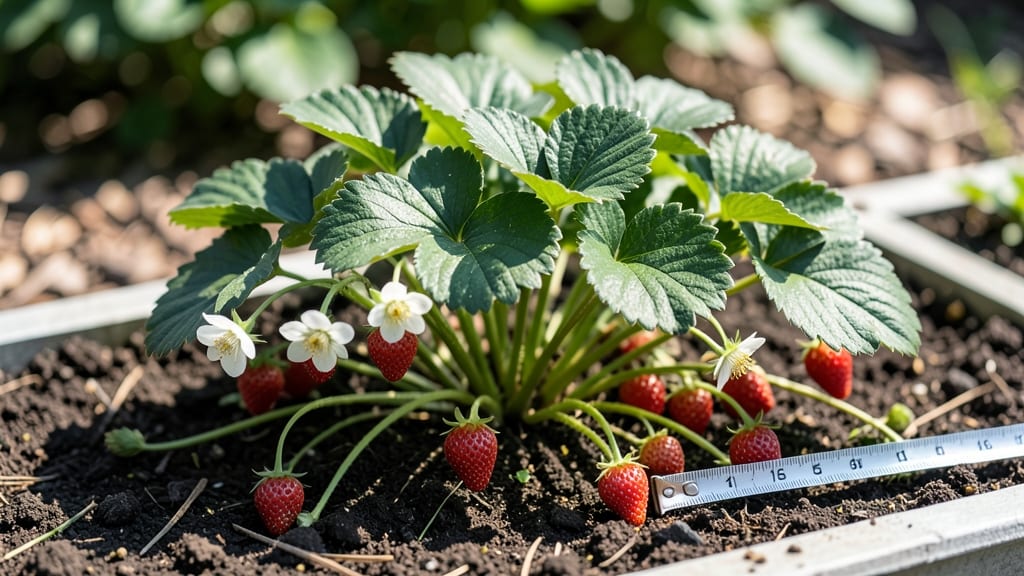
Wondering how tall do strawberry trees grow before they become a space hog in your yard? These elegant, evergreen trees—with their peeling bark and edible fruit—can reach heights of 15 to 30 feet at maturity, making them a stunning but sizable addition to your landscape.
If you're dreaming of a low-maintenance tree that thrives in USDA Zone 6a and beyond, the strawberry tree (Arbutus unedo) delivers beauty and edibility—but its height depends on where you plant it.
In warmer climates, they grow taller and faster, while cooler regions may see slower growth. The good news? With the right pruning, you can keep them compact and manageable.
Whether you're planning a small garden or a sprawling landscape, understanding their growth habits is key. I’ll break down how varieties, climate, and pruning all play a role in controlling their height. Let’s explore how to get the perfect-sized tree for your space.
From dwarf cultivars that stay under 10 feet to standard trees reaching towering heights, we’ll cover everything you need to know. Ready to turn your yard into a lush, fruiting paradise without the space constraints?


Strawberry tree height by variety: dwarf vs. standard mature sizes
Strawberry trees (Arbutus unedo) are stunning evergreen trees that can reach impressive heights, but their mature size varies dramatically depending on the variety you choose. While some varieties can tower over your garden, others stay compact enough for containers or small spaces.
Understanding these differences helps you select the perfect tree for your landscape or patio.
The standard strawberry tree typically matures between 15 to 30 feet tall, with a spread of 10 to 20 feet. This makes it a medium-to-large tree that thrives in landscapes with ample space.
If you’re envisioning a backyard canopy or a focal point in your garden, this size is ideal—but it’s not the only option.
For smaller gardens or container growing, dwarf varieties are your best bet. While true dwarf strawberry trees are rare, some compact cultivars and heavily pruned standard trees can stay between 6 to 12 feet tall.
These varieties are perfect for urban gardens, patios, or even large pots, offering the same beautiful foliage and fruit without overwhelming your space.
Here’s a quick comparison to help you visualize the differences:
If you’re growing a standard strawberry tree, expect it to take 5 to 10 years to reach its full height. In the first year, your tree will likely grow just 2 to 4 feet tall, but each subsequent year can add 1 to 2 feet under ideal conditions.
Patience is key—these trees grow steadily but reward you with decades of fruit and foliage.
For compact varieties, growth is slower, often adding only 6 to 12 inches per year. This makes them ideal for gardeners who want to enjoy the tree’s benefits without waiting a decade for maturity.
Plus, their smaller size means they’re easier to prune and maintain, even in tight spaces.
One common misconception is that strawberry trees are low-maintenance shrubs. While they are drought-tolerant once established, their height and spread require thoughtful planning. If you’re unsure about your space, consider starting with a container-grown compact variety to test the tree’s suitability before committing to a larger planting.
Regardless of the variety, soil quality and sunlight play a huge role in determining how tall your strawberry tree will grow. Well-draining, slightly acidic soil and full sun (6+ hours daily) encourage healthier, more vigorous growth. In shadier conditions, trees may grow more slowly and produce fewer fruits.
🌱
How climate zones affect strawberry tree growth height
Your strawberry tree’s mature height isn’t set in stone—it’s heavily influenced by your USDA hardiness zone. In warmer climates (zones 8–10), these trees thrive, often reaching their full 15–30-foot potential with minimal stress.
But in cooler zones (5–7), growth slows, and trees may max out at 10–15 feet without proper winter protection.
For example, in Mediterranean climates (zone 9–10), strawberry trees grow vigorously year-round, while in temperate zones (6–7), they enter dormancy and grow more slowly. Even within the same zone, microclimates—like urban heat islands—can push heights toward the upper range.
Cold snaps in zones 5–6 can stunt growth if roots freeze. To mitigate this, plant in sheltered spots or use mulch blankets in winter. In contrast, zone 10’s mild winters let trees focus energy on upward growth instead of survival.
| Zone | Mature Height | Growth Rate | Winter Care |
|---|---|---|---|
| 5–6 | 10–15 ft | Slow (dormant) | Mulch + windbreak |
| 7 | 12–20 ft | Moderate | Light mulch |
| 8–9 | 15–25 ft | Fast | None needed |
| 10 | 20–30 ft | Very fast | None needed |
Soil drainage also plays a role. In heavy clay soils (common in zones 5–6), roots struggle, limiting height. Amend with organic matter to encourage deeper growth. Meanwhile, sandy soils (zones 7–10) allow roots to spread, supporting taller trees.
If you’re in a cooler zone but want a taller tree, choose ‘Elfin King’—a vigorous cultivar that outperforms standard types in marginal climates. Just be ready for more aggressive pruning to manage its ambition!
🌱