
Plants
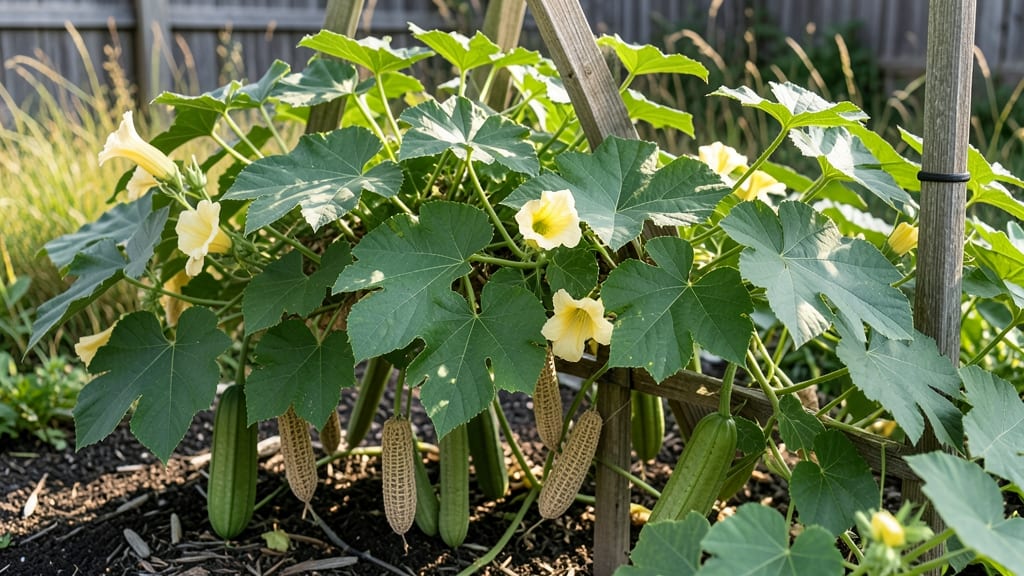
If you're wondering how tall do luffa plants grow, get ready for a gardening adventure—these 🍉 vines can climb 20 to 25 feet or taller, turning your backyard into a jungle of lush greenery.
Unlike compact herbs or shrubs, luffa plants are aggressive climbers, needing sturdy support to reach their full potential.
Without proper trellising, their sprawling vines can overtake nearby plants or even your garden fence, making them a game-changer for vertical gardening. But don’t let their height intimidate you—with the right setup, you’ll maximize space while enjoying a bountiful harvest of luffa gourds.
Whether you're a beginner or an experienced gardener, understanding their growth habit is key. Luffa plants thrive in USDA Zone 6 and beyond, but their rapid ascent means planning ahead for trellis height and spacing. Let’s break down what you need to know to support these towering vines successfully.
From choosing the best trellis materials to spacing plants correctly, we’ll cover everything to ensure your luffa plants grow strong and productive. Ready to transform your garden into a luffa haven? Let’s get started.


Luffa plant height guide: how tall they grow & what to expect
Luffa plants are fast-growing vines that can climb to impressive heights, often reaching 15–30 feet under ideal conditions. If you're planning to grow these tropical gourds, understanding their vertical growth habit is key to providing the right support and space.
Without proper trellising, their sprawling vines can take over your garden, but with the right setup, they’ll thrive vertically and produce abundant fruit.
There are two main types of luffa plants: smooth luffa (Luffa aegyptiaca) and ridged luffa (Luffa acutangula). While both grow tall, smooth luffas tend to reach 20–30 feet when given ample space and support, while ridged varieties typically max out around 15–20 feet.
Their growth rate is also remarkable—some vines can grow 6–12 inches per day during peak season!
In my own garden, I’ve seen luffa vines climb a 25-foot trellis in just three months. That’s why it’s crucial to install a sturdy trellis at planting time—these vines are aggressive climbers and will wrap around any available support.
Without one, they’ll sprawl across the ground, competing with other plants for nutrients and sunlight.
Now, let’s break down the height expectations and what influences their growth. The table below summarizes key details to help you plan your garden layout.
| Variety | Mature Height | Growth Rate | Trellis Needs |
|---|---|---|---|
| Smooth Luffa (Luffa aegyptiaca) | 20–30 feet | 6–12 inches/day | 8–12 ft minimum |
| Ridged Luffa (Luffa acutangula) | 15–20 feet | 4–8 inches/day | 6–10 ft minimum |
The height of luffa plants depends on several factors, including sunlight exposure, soil fertility, and climate conditions. In USDA Zones 8–11, where temperatures stay warm year-round, luffas can grow even taller and produce fruit faster.
However, in cooler zones like Zone 7 or below, they may only reach 10–15 feet unless you extend their growing season with row covers or a greenhouse.
Another critical factor is water availability. Luffa plants require consistent moisture, especially during their rapid growth phase. Drought stress can stunt their height and reduce fruit production. I’ve found that deep watering every 3–5 days keeps my vines thriving, even in hot, dry climates.
Mulching around the base of the plant also helps retain moisture and encourages vertical growth.
If you’re growing luffas in containers or small spaces, their height can be managed with pruning and regular trimming. While they won’t reach their full potential, you can still expect 10–15 feet of growth with proper care.
Just ensure your container has a sturdy trellis and drainage holes to prevent root rot.
One common misconception is that luffa plants are perennial in warm climates. In reality, they’re annuals in most gardens, meaning they complete their life cycle in one growing season. However, if you live in Zone 10 or higher, they may return year after year if given the right conditions.
This doesn’t change their height potential, but it does mean you can enjoy their unique, fibrous fruit for multiple seasons with minimal effort.
For gardeners with limited space, consider growing dwarf varieties or hybrid luffas, though these are rare. Most commercial luffa seeds will produce vines that need significant vertical support.
If you’re new to growing luffas, start with a 10–12 foot trellis to give them room to climb without overwhelming your garden.
Remember, the taller the luffa vine, the more fruit it can produce. With the right trellis and care, you’ll be harvesting long, cylindrical luffas that can be used as natural sponges or decorative pieces.
Just imagine the satisfaction of growing something so tall and productive right in your backyard!
Luffa plant height guide: how tall they grow & what to expect
Luffa plants are fast-growing vines that can climb 10 to 25 feet tall under ideal conditions, making them one of the tallest edible plants for home gardens.
The two main varieties—smooth luffa (Luffa aegyptiaca) and ridged luffa (Luffa acutangula)—both reach similar heights, though ridged luffas may grow slightly more compact. Without proper support, these vigorous climbers will sprawl across your garden, competing with other plants for space and nutrients.
In their first growing season, luffa vines typically reach 10 to 15 feet, while mature plants in subsequent years can climb 20 to 25 feet or more.
This rapid vertical growth is why trellising is non-negotiable—it not only saves space but also improves airflow, reducing the risk of fungal diseases. Without support, vines can become tangled and unproductive, yielding fewer fruits.
Here’s what influences their height: full sun exposure (6+ hours daily), warm temperatures (70°F+), and rich, well-draining soil all encourage maximum growth. In cooler climates or containers, luffas may grow shorter—8 to 12 feet—but still require sturdy trellises to thrive.
If you’re growing luffas in USDA Zones 6-10, expect their full height potential, while Zones 5 and below may limit their growth due to shorter growing seasons.
| Growth Stage | Height Range | Key Notes |
|---|---|---|
| First Year | 10–15 ft | Rapid climbing; needs trellis early. |
| Mature Plant | 20–25 ft | Full sun maximizes height; prune for yield. |
| Cool Climates | 8–12 ft | Shorter season limits growth; extend with row covers. |
| Container Growth | 6–10 ft | Large pots (15+ gallons) needed; prune aggressively. |
If you’re planning your garden layout, leave at least 10 feet of vertical space for each luffa vine. For small gardens or balconies, consider dwarf varieties (though true dwarf luffas are rare) or prune aggressively to keep vines under 12 feet.
The key is to train vines upward from day one—waiting too long leads to unmanageable sprawl. I’ve seen luffas climb chain-link fences, wooden arbors, and even metal scaffolding, so get creative with your support structures!
Pro tip: Harvesting luffas early (when green) as vegetables or waiting until they’re fully dried (for sponges) affects vine health. Removing spent fruits encourages more blooms and continued growth. In my experience, well-supported luffas produce 50% more fruits than unsupported ones, making the trellis investment well worth it.
For gardeners in small spaces, focus on ridged luffas (Luffa acutangula), which tend to be slightly more compact and productive in tighter areas. Pair them with fast-growing companions like beans or cucumbers to maximize your vertical garden’s efficiency.
With the right setup, your luffa vines won’t just reach the sky—they’ll feed it too!