
How To
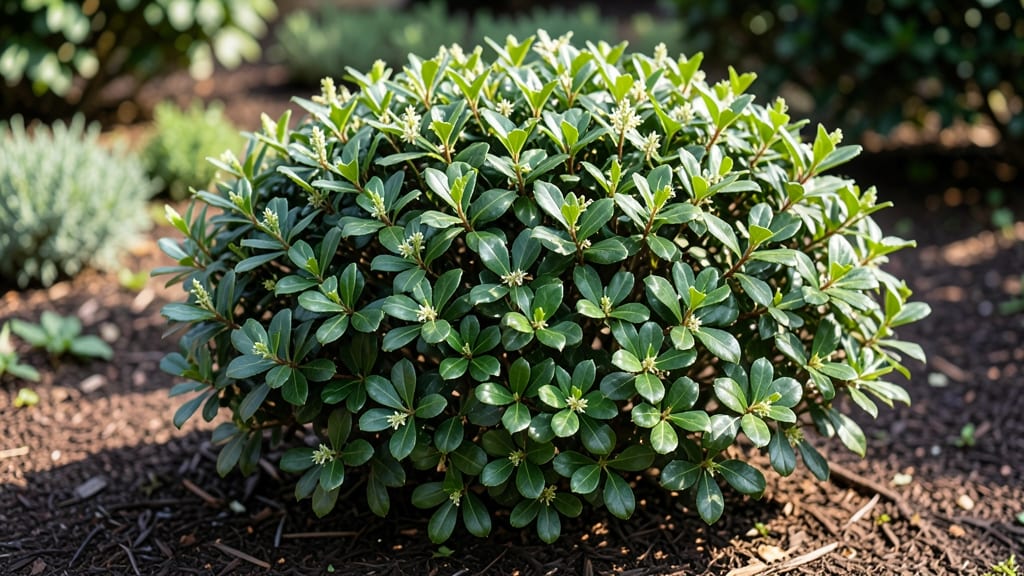
Japanese holly height guide: exact growth ranges by popular varieties
Japanese holly (Ilex crenata) is one of the most versatile evergreens for gardeners, but its height varies wildly depending on the cultivar. Some stay under 3 feet while others reach 15 feet or taller—choosing the right variety ensures your garden stays balanced.
Let’s break down the mature heights of the most popular types so you can plan spacing and design with confidence.
Most Japanese holly varieties grow at a moderate to slow rate, typically adding 6–12 inches per year. This makes them ideal for structured hedges or as focal points in landscape design.
However, some dwarf varieties like 'Helleri Compacta' stay under 2 feet, while larger types like 'Green Lustre' can easily exceed 10 feet without pruning.
If you’re designing a small garden, prioritize compact varieties that won’t overwhelm your space. For larger landscapes, taller holly varieties add year-round structure and privacy. Below, we’ve compiled a comparison table of the most sought-after cultivars, including their mature heights, growth habits, and ideal uses.
🌿
| Variety | Mature Height | Growth Rate | Best For |
|---|---|---|---|
| 'Sky Pencil' | 10–15 ft | Slow (6–12" per year) | Tall hedges, privacy screens |
| 'Green Lustre' | 12–15 ft | Moderate (12–18" per year) | Large landscapes, formal hedges |
| 'Helleri Compacta' | 1.5–2 ft | Very slow (3–6" per year) | Borders, containers, small gardens |
| 'Soft Touch' | 3–5 ft | Slow (6–12" per year) | Hedges, foundation plantings |
| 'Convexa' | 4–6 ft | Moderate (12" per year) | Screening, mixed borders |
| 'Microphylla' | 2–3 ft | Slow (6" per year) | Ground cover, containers |
| 'St. George' | 8–10 ft | Moderate (12–18" per year) | Privacy hedges, large gardens |
When selecting a variety, consider not just height but also spread. For example, 'Sky Pencil' grows narrow (only 2–3 feet wide), making it perfect for tight spaces, while 'Green Lustre' spreads 6–8 feet, ideal for dense hedges. Always check the mature spread to avoid overcrowding.
Japanese holly thrives in USDA Zones 5–8, but cooler climates may slow growth. In warmer zones, these shrubs can grow faster if given well-draining soil and consistent moisture.
Overwatering or poor drainage, however, can stunt growth or cause root rot—always plant in slightly acidic soil (pH 5.0–6.5) for optimal results.
For container gardening, dwarf varieties like 'Helleri Compacta' or 'Microphylla' excel in 15–20 gallon pots. Use a fast-draining mix with 30% perlite to prevent root rot. Repot every 2–3 years to refresh the soil and encourage compact growth.
🌱
Pro tip: If you’re unsure about a variety’s long-term height, start with a smaller cultivar and train it as a multi-stemmed shrub or small tree using selective pruning. This gives you flexibility to adjust its form as it matures.
🪴
How to control Japanese holly height: pruning and growth habit tips
Japanese holly thrives when you guide its growth early. Unlike some shrubs, it responds well to pruning for height control, but timing matters. Prune in late winter or early spring before new growth begins—this prevents stressing the plant during dormancy.
For hedge varieties like 'Green Lustre', aim for a 2-3 foot height by cutting back one-third of the growth annually.
If you're growing taller varieties like 'Sky Pencil', prune selectively to maintain a single-stem tree form. Remove lower branches to create a clean trunk, then trim the top to control height.
Avoid heavy pruning in summer or fall—this can lead to weak new growth that won’t harden off before winter.
🚨 WARNING: Over-pruning can stunt growth permanently! Japanese holly grows slowly—never remove more than 25% of the foliage in one session. This evergreen relies on its leaves for energy, so gradual pruning keeps it healthy while shaping it to your needs.
⚠️ Pruning Mistakes to Avoid
- Pruning in winter: Damages buds forming for spring growth.
- Shearing too aggressively: Can leave unsightly "bald" spots.
- Ignoring dead wood: Removing dying branches improves airflow and health.
Pro tip: Use sharp, sterilized shears to prevent disease spread.
For container-grown Japanese holly, prune more frequently—every 4-6 weeks during the growing season—to encourage bushiness. Pinch back new growth tips in early summer to redirect energy toward thicker foliage rather than height. This works especially well for dwarf varieties like 'Soft Touch'.
Japanese holly’s growth rate slows with age, so young plants (under 3 years) may need more frequent pruning. Mature shrubs establish their shape naturally but still benefit from light annual trimming to remove crossing branches and maintain an open canopy.
Always step back after pruning—your goal is balanced, natural-looking growth, not a perfect geometric shape.
If your Japanese holly starts growing too tall too fast, it may need less sunlight or more frequent watering. These shrubs grow best with morning sun and afternoon shade—too much direct sun can stress the plant, leading to uncontrolled height spikes.
Amend your care routine if you notice rapid, leggy growth.
With the right pruning approach, you can keep your Japanese holly at any height—from a neat 2-foot hedge to a 6-foot privacy screen. The key is consistency and patience—this evergreen rewards careful gardeners with decades of lush, controlled growth. ✂️