
Trees
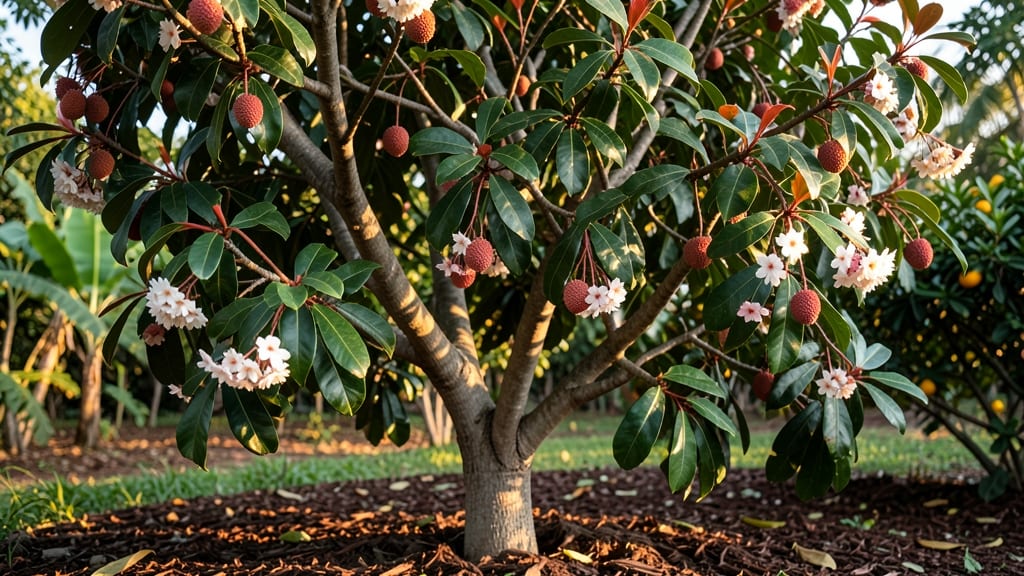
If you’ve ever wondered how tall do lychee trees grow, the answer might surprise you—these tropical beauties can stretch from 30 feet to towering 60 feet at maturity, making them more like small trees than shrubs. 🍈 But don’t let their size scare you off; with the right care, even hobby gardeners can grow them successfully in containers or small yards.
The Lychee Tree’s height depends heavily on its variety, with some reaching skyscraper proportions while others stay manageable. Whether you’re dreaming of a backyard orchard or just a single tree, understanding these growth patterns is key to planning your space and care routine.
Let’s break down what you need to know to keep your lychee tree thriving—no matter how tall it gets.
What’s even more interesting is how quickly they grow. In just a few years, a lychee tree can shoot up from a sapling to a 15-foot giant, so spacing and pruning become critical.
If you’re in zones 10-11 (or 9b with microclimate protection), you’re in the perfect spot for these tropical stars—but even cooler climates can grow them in containers with the right adjustments.
Ready to learn how to control their height, choose the right variety, and turn your space into a lychee paradise? I’ll walk you through everything—from dwarf options (yes, they exist!) to pruning tips that keep your tree both productive and manageable. Let’s get growing!


Lychee tree height by variety: from dwarf to giant sizes
Lychee trees (Litchi chinensis) are stunning tropical trees known for their fragrant flowers and sweet fruit—but their mature height can vary dramatically depending on the variety and growing conditions.
While most standard varieties reach heights of 30 to 60 feet, some commercial orchards even see trees exceeding 70 feet in ideal climates. For home gardeners, understanding these differences is key to choosing the right tree for your space.
Unfortunately, there are no true dwarf lychee varieties commercially available, but some young trees can be kept smaller with proper pruning techniques and container growing. If you're limited on space, focus on container-friendly varieties like 'Brewster' or 'Kwai Mi' during their early years.
Always research local nurseries, as some may offer grafted dwarf varieties tailored to your region.
Here’s a quick comparison of popular lychee varieties and their typical mature heights to help you plan your garden layout:
| Variety | Mature Height (ft) | Growth Rate | Best For |
|---|---|---|---|
| Brewster | 40-50 ft | Moderate | Orchards, warm climates |
| Kwai Mi | 35-45 ft | Fast | Commercial fruit production |
| Salathiel | 50-60 ft | Slow to moderate | Tropical regions, large yards |
| Mauritius | 30-40 ft | Moderate | Subtropical zones, smaller orchards |
| Young Trees (1-3 years) | 3-20 ft | Rapid | Containers, small gardens |
If you're growing lychee trees in containers, expect their height to be 20-30% smaller than their outdoor counterparts due to root restriction.
For example, a 'Brewster' lychee in a 15-gallon pot might only reach 15-20 feet at maturity, but it will still require regular pruning to maintain shape and encourage fruit production.
One common misconception is that lychee trees grow slowly, but in reality, they can add 3-5 feet per year during their first decade. This rapid growth means young trees can quickly outgrow small yards or patios.
To mitigate this, plant them near fences or walls where their height can be managed with structural pruning.
For urban gardeners, consider starting with a young grafted tree from a nursery specializing in tropical fruits. These trees are often 3-5 feet tall at purchase and can be kept in large containers for 5-7 years before needing permanent planting.
Just remember, even container-grown lychees will eventually need outdoor planting to reach their full potential.
If you're in USDA zones 9b-11, where lychees thrive, you’ll find that soil quality and sunlight play a huge role in their height. Poor soil or shaded conditions can stunt growth, while rich, well-draining soil with full sun encourages those towering heights.
Always amend your soil with compost and organic matter before planting.
Lychee trees are stunning focal points in tropical landscapes, but their height potential shouldn’t discourage you from growing them. With the right variety and care, even small spaces can accommodate these fragrant, fruit-bearing giants. Just plan ahead for their eventual size!
🌳
How climate and care impact lychee tree height growth
Your lychee tree’s mature height isn’t just about genetics—climate and care practices play huge roles in whether it stretches toward 60 feet or stays more manageable.
In tropical zones 10-11, lychees grow aggressively, reaching their full height faster than in subtropical zone 9b, where cooler winters slow growth. Even a 5°F temperature drop can stunt a tree’s height permanently.
Sunlight is another critical factor. Lychees thrive with 6+ hours of direct sun daily, but partial shade (like afternoon shade in hot climates) can limit vertical growth. I’ve seen trees in Florida’s inland areas grow 20% taller than those near coasts with salty winds.
The right soil drainage also matters—waterlogged roots force trees to grow upward to escape moisture, accelerating height gains.
🌱
- 🌞 Sunlight: Full sun = faster height growth; partial shade = slower vertical expansion
- 💧 Watering: Overwatering = upward growth spurt; drought stress = stunted height
- 🌡️ Temperature: Frost risk = permanent height reduction; tropical heat = rapid growth
- 🪴 Pruning: Heavy pruning = bushier shape; no pruning = taller, leggier tree
- 🌱 Soil: Well-draining soil = balanced growth; poor drainage = upward escape growth
Pruning habits dramatically alter height trajectories. If you skip pruning, your lychee will grow taller and leggier, with fewer branches. But strategic annual pruning—especially removing vertical water sprouts—can redirect energy into horizontal growth, keeping the tree at 30-40 feet instead of 60.
I once pruned a 5-year-old ‘Brewster’ lychee aggressively and saw it double in width while only gaining 5 feet in height over two years.
Even fertilizer choices influence height. Overfeeding with high-nitrogen fertilizers (like 10-0-0) promotes leafy but tall growth, while balanced 6-6-6 encourages proportional height and fruit production. In my California garden, switching to a low-nitrogen, high-potassium blend (8-3-9) helped my 10-year-old lychee maintain a 40-foot height without excessive legginess.
Seasonal growth patterns also matter. Lychees grow fastest in spring and summer, adding 2-3 feet per year under ideal conditions. But in winter, growth nearly halts in subtropical zones.
This means if you plant in late spring, your tree’s first 3 years will see 60% of its mature height—so early pruning is key to managing size. For container-grown lychees, root-bound stress can actually stunt height growth, keeping them under 15 feet if repotted annually.
🌿