
How To
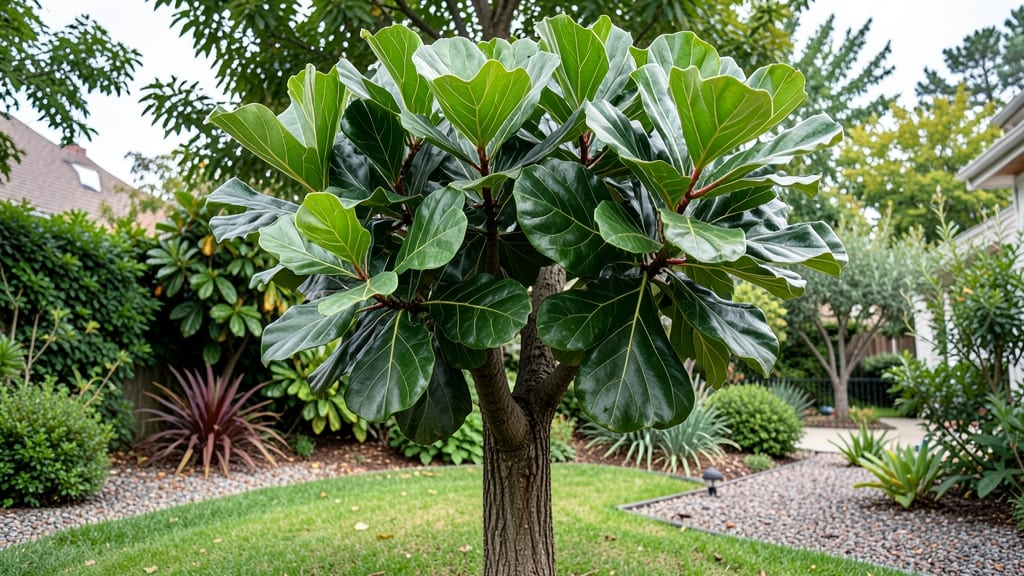
Ficus tree height by popular variety: from dwarf to towering giants
If you're wondering how tall your ficus might grow, the answer depends entirely on the variety you've chosen. Some ficus plants stay compact enough for small apartments, while others can grow into small trees that need outdoor space.
Let's explore the most popular types and their mature heights to help you plan your garden or indoor space.
Ficus varieties range from dwarf types that stay under 6 feet to towering specimens that can reach 30 feet or more. Understanding these differences helps you select the right plant for your home or landscape.
Whether you're a first-time plant parent or a seasoned gardener, knowing the growth potential of each variety is key to creating the perfect environment for your ficus.
Here’s a quick comparison of some of the most popular ficus varieties and their expected mature heights:
The Ficus elastica 'Robusta', also known as the rubber plant, is one of the fastest-growing ficus varieties. In ideal conditions, it can reach 20 feet indoors and even 40 feet outdoors. This makes it a popular choice for larger homes or outdoor landscapes where space isn't a concern.
If you're growing it indoors, regular pruning is essential to manage its height and maintain a manageable size.
On the other hand, the Ficus lyrata, or fiddle-leaf fig, grows more slowly but can still reach impressive heights. With proper care, it can grow up to 10 feet indoors, making it a stunning focal point in larger rooms.
Its large, violin-shaped leaves add a dramatic touch to any space, but its slower growth rate means it’s easier to manage over time compared to faster-growing varieties.
For those with limited space, the Ficus microcarpa 'Ginseng' is an excellent choice. This variety stays relatively compact, typically reaching only 3-5 feet indoors. Its unique, twisted trunk makes it a favorite for bonsai enthusiasts and those who want a smaller, more manageable ficus.
It’s also one of the hardier ficus varieties, making it ideal for beginners.
If
Ficus height growth factors: light, pot size, and species traits
Your ficus’s height isn’t just about genetics—it’s heavily influenced by its growing conditions. Light exposure plays the biggest role, with Ficus lyrata (fiddle-leaf fig) stretching aggressively toward windows but Ficus microcarpa (ginseng fig) growing more compactly in low light.
Even 1-2 extra hours of sunlight can add 1-2 feet annually to taller varieties like Ficus elastica.
Pot size matters just as much as light. Root-bound plants grow taller faster as they compete for space, while oversized containers encourage bushier growth.
For Ficus benjamina, a 12-inch pot keeps it under 10 feet, but the same plant in a 20-gallon container may only reach 6-8 feet with wider foliage. Always choose a pot 2-3 inches larger than the plant’s current root ball.
🌱 Key Takeaway: Ficus Growth Limits
- Genetics: Ficus elastica = 10-20 ft max; Ficus benjamina = 20-30 ft outdoors
- Light: Low light = slower height growth but wider leaves
- Pruning: Cut back 20-30% annually to control height
- Species: Dwarf varieties (e.g., Ficus 'Nana') stay 3-5 ft tall
✅ Pro Tip: Rotate your ficus quarterly for even growth and prevent lopsided height spikes.
Species traits determine whether your ficus grows as a tall tree or a compact shrub. Ficus elastica 'Robusta', for example, naturally tops out at 10-15 feet indoors but can reach 20+ feet outdoors with ideal conditions.
Meanwhile, Ficus pumila (creeping fig) stays under 1 foot unless trained to climb. Always check your specific variety’s mature height range before purchasing.
Temperature and humidity also sneakily affect height. Cooler temps (60-75°F) slow growth, while warmth above 80°F can cause rapid vertical stretching. High humidity (like a 60%+ environment) encourages fuller, bushier growth, while dry air leads to thinner, leggier stems.
Use a humidifier or pebble tray to keep your ficus compact and healthy.
Finally, fertilizer type impacts height growth. High-nitrogen fertilizers (like 20-10-10) promote leafy top growth, while balanced 10-10-10 supports steady height increases. Over-fertilizing with phosphorus or potassium can stunt vertical growth. Always follow a spring-to-fall feeding schedule—never fertilize in winter when growth slows.
By mastering these factors, you can predict and control your ficus’s height—whether you want a ceiling-skimming statement plant or a shelf-sized companion. Start with the right light and pot, then adjust pruning and care as it grows! 🌿