
How To
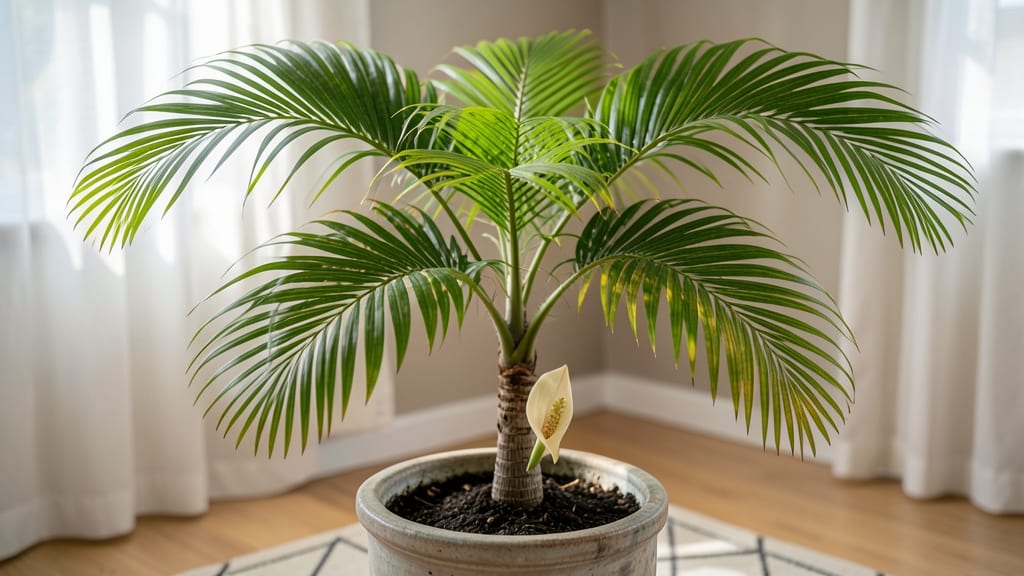
If you're wondering how tall do Madagascar palms grow, the answer might surprise you—these tropical beauties can stretch from 10 feet to towering heights of 30 feet or more!
Whether you're dreaming of a lush indoor accent or an outdoor statement piece, the variety you choose determines how quickly and dramatically your palm will grow.
Some Madagascar palms, like the dwarf varieties, stay manageable for apartments, while others shoot up 6 feet per year when given ideal conditions.
The key to unlocking their full potential lies in understanding their growth habits and environmental needs—something I’ll break down so you can pick the perfect palm for your space.
Outdoor palms in USDA Zone 6a often reach their mature height faster than indoor plants, thanks to more sunlight and space. But even in containers, with the right care, you can coax impressive growth.
Let’s explore which varieties grow the fastest and how to give yours the best shot at reaching its sky-high potential.
Ready to transform your space with a Madagascar palm? I’ll share the secrets to maximizing height—from soil tips to sunlight tricks—so you can enjoy a thriving, towering tropical escape in no time.


Madagascar palm height guide: fastest-growing varieties and their maximum heights
Madagascar palms (Dypsis spp.) are tropical showstoppers that can transform any space into a lush paradise—but their height varies dramatically by variety. Some stay manageable for apartments, while others grow into towering indoor trees.
Understanding these differences helps you choose the perfect palm for your space and growth goals.
The most popular Madagascar palm species fall into three height categories: dwarf (6-10 feet), standard (15-25 feet), and giant (25-30 feet+).
Growth rates also differ, with some varieties adding 2-6 feet per year under ideal conditions. Let’s break down the fastest-growing types and their potential heights.
🌱 Visual Guide: Madagascar Palm Heights at a Glance
The Dypsis lutescens (Golden Canary Palm) is the fastest grower, often reaching 15 feet in just 3–5 years with proper care. Its golden-yellow fronds make it a standout, but its rapid growth means it’s best for larger spaces or containers that can accommodate its eventual size.
For smaller spaces, Dypsis decaryi is a game-changer. This dwarf variety tops out at 6–10 feet and grows slowly, making it ideal for apartments or offices. Its compact size doesn’t mean slow growth—it just stays manageable while still adding tropical flair.
If you’re torn between height and speed, Dypsis cabadae strikes a balance. It grows 2–4 feet per year and reaches 8–12 feet, perfect for medium-sized rooms or patios. Its arching fronds also add dramatic texture without overwhelming smaller areas.
Outdoor gardeners should consider Dypsis fibrosa for bold statements. This giant variety can hit 30 feet in ideal conditions, growing 4–8 feet annually. It thrives in USDA Zones 10–12 and adds a jungle-like vibe to large landscapes or poolside areas.
One common misconception is that all Madagascar palms grow at the same rate. In reality, indoor palms grow 30–50% slower than outdoor ones due to limited sunlight and space. To maximize height, prioritize bright, indirect light and well-draining soil—two critical factors for faster growth.
Whether you’re aiming for a tall indoor statement piece or a compact desk companion, choosing the right variety ensures your Madagascar palm thrives without outgrowing its space. Next, we’ll explore how to accelerate growth with simple care tweaks.
🌳
Madagascar palm height guide: fastest-growing varieties and their maximum heights
Madagascar palms (Dypsis spp.) are tropical showstoppers that can transform any space into a lush paradise—but their height potential varies wildly by variety. Some stay under 10 feet while others soar to 30 feet or more.
The key to choosing the right palm lies in understanding growth rates and mature heights for each type.
If you're short on space, dwarf varieties like Dypsis decaryi (also called the "Golden Cane Palm") max out around 10–15 feet with proper care. Meanwhile, the classic areca palm (Dypsis lutescens) can reach 20–30 feet outdoors, making it a statement piece for large gardens or landscapes.
Let’s break down the fastest-growing types and their height trajectories.
🌱 Madagascar Palm Height Summary
| Variety | Mature Height (Outdoors) | Growth Rate (Per Year) | Indoor Height Limit |
|---|---|---|---|
| Dypsis lutescens (Areca Palm) | 15–30 ft | 2–6 ft/year (young) | 8–12 ft (potted) |
| Dypsis decaryi (Golden Cane Palm) | 10–15 ft | 1–3 ft/year | 6–10 ft (potted) |
| Dypsis cabadae (Cabada Palm) | 8–12 ft | 1.5–4 ft/year | 5–8 ft (potted) |
| Dypsis madagascariensis (Blue Madagascar Palm) | 20–30 ft | 3–5 ft/year (young) | 10–15 ft (potted) |
Note: Growth rates slow as palms mature. Indoor palms rarely reach outdoor heights due to limited space and light.
For fastest growth, Dypsis madagascariensis (Blue Madagascar Palm) leads the pack, shooting up 3–5 feet per year in ideal conditions. This makes it the top choice if you want a quick tropical statement.
However, its outdoor height of 20–30 feet means it’s best suited for large yards or landscapes.
If you’re growing indoors, container size is the #1 factor limiting height. A 10-gallon pot will keep most Madagascar palms under 10 feet, while 15–20 gallon pots allow for 12–15 feet of growth. Pruning the oldest fronds can also encourage taller, bushier growth in confined spaces.
Outdoor palms thrive in USDA Zones 10–12, where they can reach their full mature height within 5–10 years. In cooler climates (Zones 9–10), expect slower growth and winter dormancy, capping heights at 10–15 feet unless grown in containers and wintered indoors.
Pro tip: Young palms grow fastest when planted in well-draining, slightly acidic soil (pH 5.5–6.5) and given bright, indirect light. Overwatering or poor drainage can stunt growth, so always plant in elevated beds or containers with drainage holes. 🌿