
How To
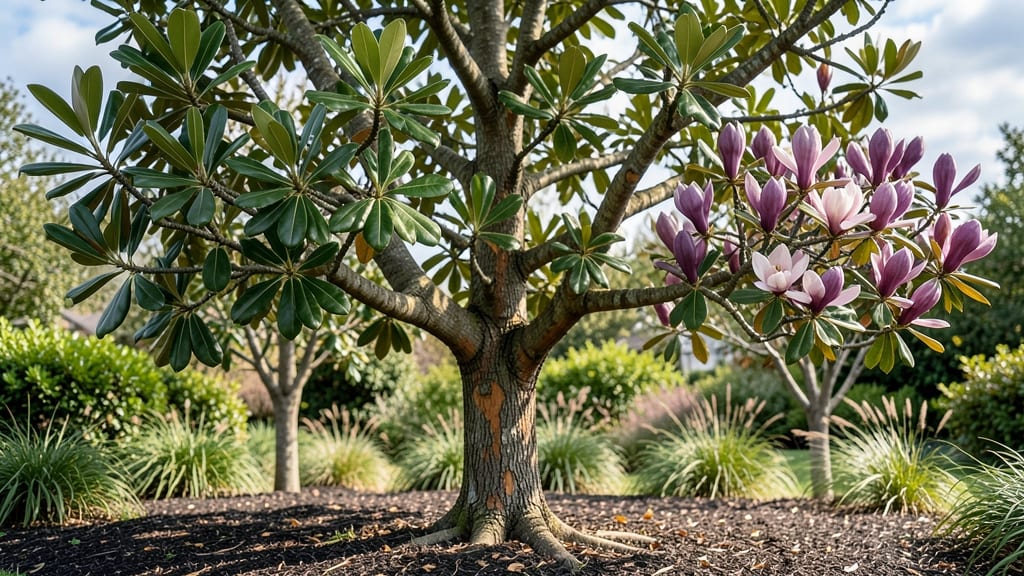
Wondering how tall do magnolias grow before you commit to planting one? The answer might surprise you—some varieties stay as small as shrubs, while others become towering giants that dominate your landscape.
If you love the idea of a 🌸 magnolia but need to match it to your space, knowing the exact height range is key. Whether you're working with a cozy backyard in USDA Zone 6a or a sprawling estate, the right cultivar can make all the difference.
In this guide, I’ll break down 10 popular magnolia cultivars, from dwarf varieties that stay under 10 feet to grand specimens that reach 80 feet or more. You’ll learn how to pick the perfect fit for your yard, plus tips to control growth if needed.
Ready to find your ideal magnolia? Let’s compare heights, growth habits, and design possibilities so you can plant with confidence—no guesswork required.


Magnolia height ranges by cultivar: from dwarf to giant trees
Magnolias are nature’s living sculptures, but their mature heights can vary dramatically—from dwarf varieties that stay under 10 feet to giant cultivars that dwarf even the tallest homes.
Understanding these differences is key to selecting the perfect magnolia for your space, whether you have a cozy courtyard or a sprawling estate. The height of a magnolia isn’t just about aesthetics; it also impacts sunlight exposure, root space, and long-term maintenance.
Most magnolias grow slowly to moderately, with some taking decades to reach their full height. For example, the Southern magnolia (Magnolia grandiflora) can tower 60–80 feet tall, while the star magnolia (Magnolia stellata) remains a compact 15–25 feet.
Even within the same species, grafted dwarf varieties can stay 50% smaller than their standard counterparts. Let’s break down the top 10 magnolia cultivars by height, so you can visualize how they’ll fit into your landscape.
📏 Height Comparison Table: Below, you’ll find a side-by-side look at mature heights, growth rates, and ideal spacing for each cultivar. Use this as your guide to avoid planting a giant magnolia where a dwarf variety would thrive—or vice versa.
| Cultivar | Mature Height (ft) | Growth Rate | Spacing Needs (ft) | Best For |
|---|---|---|---|---|
| Star Magnolia (Magnolia stellata) | 15–25 ft | Slow (1–2 ft/year) | 10–15 ft from structures | Small gardens, containers |
| Saucer Magnolia (Magnolia × soulangeana) | 20–30 ft | Moderate (2–3 ft/year) | 15–20 ft from buildings | Borders, focal points |
| Dwarf Yulan Magnolia (Magnolia denudata 'Little Gem') | 8–12 ft | Slow (1 ft/year) | 6–8 ft from walls | Patios, urban yards |
| Sweet Bay Magnolia (Magnolia virginiana) | 12–20 ft | Moderate (1.5–2 ft/year) | 10–15 ft from structures | Wet soils, coastal gardens |
| Southern Magnolia (Magnolia grandiflora) | 60–80 ft | Slow (1–2 ft/year) | 30–50 ft from homes | Large estates, shade trees |
| Cucumbertree Magnolia (Magnolia acuminata) | 40–60 ft | Moderate (2 ft/year) | 25–30 ft from buildings | Woodland gardens, parks |
| Jane Magnolia (Magnolia × 'Jane') | 25–35 ft | Moderate (2–3 ft/year) | 15–20 ft from structures | Medium yards, privacy screens |
| Loebner Magnolia (Magnolia × loebneri) | 15–25 ft | Slow (1–2 ft/year) | 10–15 ft from walls | Small spaces, city planting |
| Bigleaf Magnolia (Magnolia macrophylla) | 30–40 ft | Slow (1–1.5 ft/year) | 20–25 ft from structures | Specimen trees, large gardens |
| Teddy Bear Magnolia (Magnolia 'Teddy Bear') | 10–15 ft | Slow (1 ft/year) | 8–10 ft from buildings | Containers, foundation planting |
Notice how the Southern magnolia and cucumber
How to choose the right magnolia for your landscape design
Selecting the perfect magnolia for your space starts with understanding your yard’s dimensions and sunlight patterns. Dwarf varieties like Magnolia 'Black Tulip' thrive in tight spots, while towering Magnolia grandiflora need sprawling lawns.
Measure your planting area and visualize how each cultivar will mature—some grow wider than they do tall!
For small gardens or urban courtyards, prioritize compact cultivars like 'Little Gem' or 'Ann', which max out at 15–25 feet. These fit neatly under power lines and complement patios without overwhelming the space. Medium-height options (25–40 feet) work beautifully as privacy screens or focal points along driveways.
If you’re aiming for a statement piece, giant magnolias like 'Exmouth' or 'Teddy Bear' (60–80 feet) demand ample clearance—think of them as living skyscrapers. Plant these near open areas where their canopy spread (often 20–40 feet wide) won’t interfere with structures or sidewalks.
Sunlight exposure is another critical factor. Most magnolias prefer morning sun and afternoon shade, but evergreen varieties (like 'Little Gem') tolerate more direct light. Shade-loving types, such as Magnolia 'Jane', thrive under tall trees but may produce fewer blooms.
Consider your climate zone too—southern magnolias (zones 7–10) handle humidity better, while hardy hybrids (zones 4–6) survive harsh winters. For example, Magnolia 'Starry Starry Night' (15–20 feet) is perfect for cooler regions with its vibrant purple blooms and cold resistance.
🌸
🌱 Magnolia Selection Guide by Yard Size
- Small Yards (under 50 sq ft): 'Black Tulip' (8–12 ft), 'Ann' (12–15 ft) – Plant near walkways or entryways.
- Medium Yards (50–200 sq ft): 'Little Gem' (20–25 ft), 'Teddy Bear' (25–30 ft) – Ideal for borders or privacy hedges.
- Large Yards (over 200 sq ft): 'Exmouth' (60–80 ft), 'Grandiflora' (60–80 ft) – Require wide-open spaces for full growth.
- Urban Spaces (containers): 'Yellow Bird' (10–15 ft), 'Jane' (15–20 ft) – Use large pots for patios or balconies.
Pro tip: Always check the mature height and growth rate—some magnolias grow 2–3 feet per year, while others take decades to reach full size. Sketch your yard layout and mark where each tree’s canopy will spread to avoid future crowding issues.
Finally, align your choice with your aesthetic goals. Do you want fragrant blooms, evergreen foliage, or dramatic fall color? For example, Magnolia 'Saucer' offers showy pink flowers and glossy leaves, while Magnolia 'Butterflies' dazzles with white and pink blooms in spring.