
How To
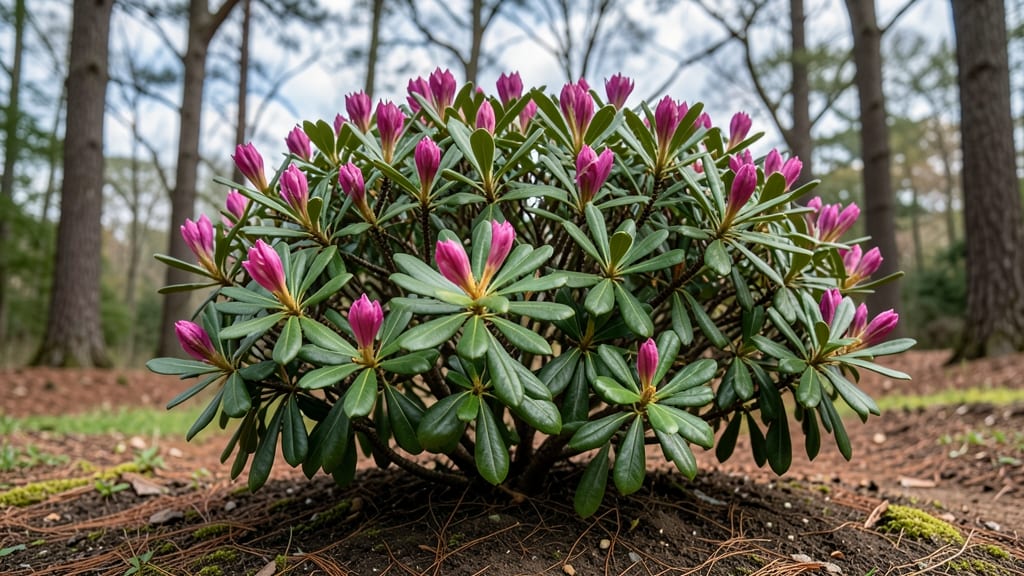
If you’re wondering how tall do mountain laurels grow, you’re about to discover why these stunning 🌸 shrubs are a gardener’s secret weapon—whether you’re designing a cozy woodland garden or a grand landscape.
Native to the Eastern US, Appalachians, and Southeast, mountain laurels can reach heights that surprise even seasoned gardeners, ranging from 6 to 15 feet at maturity.
The beauty of mountain laurels lies in their adaptability—some varieties stay compact, perfect for borders, while others grow tall enough to anchor a hedgerow or woodland edge. But here’s the kicker: their growth habits depend on more than just genetics.
Sunlight, soil, and even pruning can influence whether your mountain laurel becomes a towering statement piece or a modest, fragrant accent.
In this guide, I’ll break down the exact height ranges for popular varieties, so you can choose the perfect fit for your space. Whether you’re working with a small yard or a sprawling garden, you’ll learn how to encourage the ideal size—without sacrificing those showstopping blooms and evergreen foliage.
Ready to transform your landscape? Let’s dive into the details so you can plant with confidence and watch your mountain laurels thrive.


Mountain laurel height by variety: exact growth ranges for popular cultivars
Mountain laurels (Kalmia latifolia) are prized for their showy blossoms and fragrant foliage, but their height variations make them versatile for any garden. Most mature between 6 to 15 feet, but some cultivars stay compact.
The standard type typically reaches 10 to 15 feet, while dwarf varieties (though rare) top out around 3 to 5 feet.
Understanding these height differences helps you choose the perfect variety for your space. Whether you need a privacy hedge or a small border plant, mountain laurels offer options. Their spread ranges also vary, with some varieties growing 6 to 10 feet wide, while others stay more contained.
Here’s a breakdown of the most popular mountain laurel cultivars and their mature heights, so you can plan your garden layout with confidence.
| Variety | Mature Height | Spread | Notes |
|---|---|---|---|
| 'Elf' (Dwarf) | 3–5 ft | 3–4 ft | Compact, ideal for small gardens or containers. |
| 'Olympic Fire' | 4–6 ft | 4–5 ft | Bright red flowers; great for borders or hedges. |
| 'Kaleidoscope' | 6–8 ft | 5–7 ft | Variegated foliage; thrives in partial shade. |
| 'Pink Charm' | 5–7 ft | 4–6 ft | Soft pink blooms; perfect for woodland gardens. |
| 'Elf' (Standard) | 10–15 ft | 8–12 ft | Classic type; needs space for full growth. |
If you’re planning a hedge or privacy screen, the standard mountain laurel is a top choice, reaching 10 to 15 feet tall. For smaller spaces, 'Elf' or 'Olympic Fire' stay under 6 feet while still delivering stunning blooms.
Their spread dimensions also matter—some varieties can stretch 8 to 12 feet wide, so plan accordingly.
For woodland gardens or shady borders, 'Pink Charm' or 'Kaleidoscope' add color without overwhelming the space. Their moderate height (5–8 feet) makes them ideal for layered plantings. Always check your local climate—cooler regions may see slower growth, while warmer areas can push heights toward the upper limit.
Pro tip: Prune in late winter to control height and encourage bushier growth. Avoid heavy pruning, as mountain laurels bloom on old wood, meaning cuts made after flowering can reduce next year’s blooms.
Mountain laurels are slow-growing compared to other shrubs, so their height increases gradually. In the first year, expect 1 to 2 feet of growth, while mature plants add only 6 to 12 inches annually. This steady pace makes them easier to manage in smaller gardens.
For container gardening, dwarf varieties like 'Elf' thrive in 15-gallon pots and can be kept under 5 feet with regular pruning. Just ensure your container has good drainage—mountain laurels hate soggy roots.
🌿
Factors that influence mountain laurel height: sun, soil, and pruning secrets
Mountain laurels (Kalmia latifolia) aren’t one-size-fits-all when it comes to height. While their mature range typically spans 6 to 15 feet, your specific growing conditions can push them toward the lower or upper end—or even beyond.
Understanding these key factors helps you shape their growth to fit your garden vision.
The most critical factor is sunlight exposure. Mountain laurels thrive in partial shade (3-6 hours of sun daily), but too much direct sunlight—especially in hot climates—can stunt their growth or cause leaf scorch.
In cooler, shaded environments, they often reach their maximum potential height, while full-sun conditions may limit them to 8-10 feet.
Soil acidity plays a surprising role too. These shrubs are acid-loving plants (ideal pH: 4.5-6.0). If your soil is alkaline, their roots struggle to absorb nutrients, leading to slower growth and smaller stature. Amending with sulfur or peat moss can encourage healthier, taller growth over time.
⚠️ Warning: Over-Pruning Risks
Avoid aggressive pruning in early years—it can stunt height growth permanently. Mountain laurels grow best when left unpruned for 3-5 years. Prune only to shape or remove deadwood, never to reduce height drastically.
Pruning is where you can actively control height, but timing matters. Prune in late winter or early spring (just before new growth begins) to encourage fuller, bushier shrubs without sacrificing height. If you cut back too late (summer/fall), you risk weakened flowering and reduced vertical growth the following year.
Drainage also impacts height indirectly. Poorly drained soil can lead to root rot, which weakens the plant and limits its ability to grow tall. Always plant mountain laurels in well-draining, slightly acidic soil to avoid this issue.
Raised beds or amended soil can help if your native soil is heavy or clay-based.
Finally, watering habits influence height over time. While mountain laurels are drought-tolerant once established, consistent moisture during their first 2-3 years helps them develop a strong root system for taller growth. Overwatering, however, can lead to root suffocation and stunted growth, so aim for deep, infrequent watering.
By mastering these four key factors—sunlight, soil, pruning, and water—you can guide your mountain laurel’s height to match your garden’s needs, whether you want a tall specimen plant or a compact border shrub. 🌿