
Plants
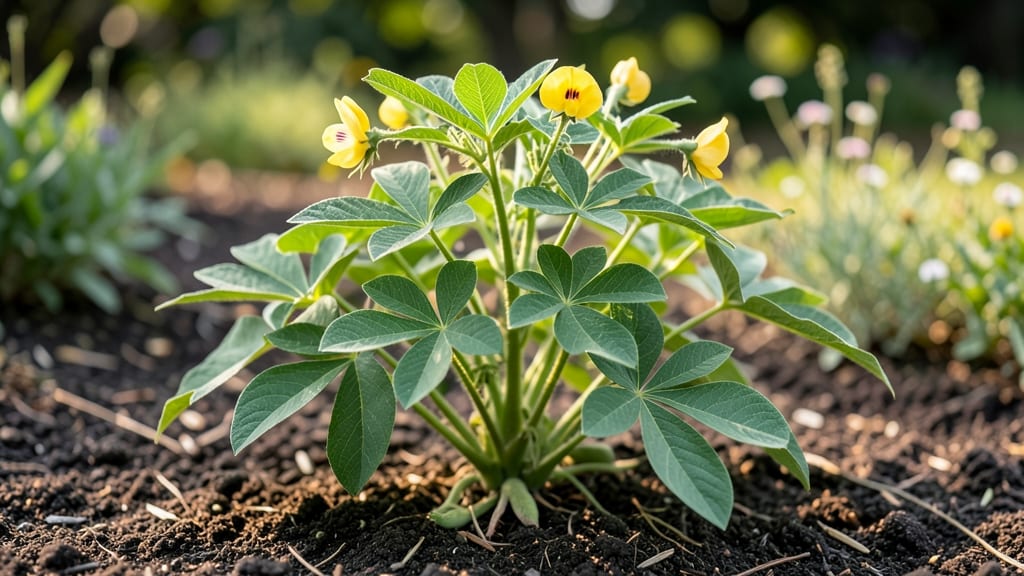
If you’ve ever wondered "how tall do peanut plants grow", you might be surprised to learn they don’t grow like your typical garden vegetables. These unique plants—with their signature 🥜 pods—stay low to the ground, but their sprawling habit makes them a fascinating (and space-efficient) addition to any garden.
The key to growing peanuts lies in their horizontal growth pattern, not vertical. While their foliage tops out at just 12–18 inches, what happens underground is where the magic happens.
Those signature pods develop along runners that stretch out from the plant, making them perfect for small spaces or containers.
But here’s the game-changer: their height doesn’t tell the whole story. Whether you’re working with limited space or dreaming of a bountiful harvest, understanding how peanuts grow vertically (or don’t) is the first step to success.
Let’s break down what you need to know to give them the best conditions for thriving.
From spacing tips to trellising tricks, I’ll show you how to make the most of their compact stature while ensuring your plants have room to spread—and produce those delicious pods. Ready to dig in?


Peanut plant height: understanding the unique growth pattern and stages
Peanut plants (Arachis hypogaea) are famous for their unusual growth habit—they don’t grow tall like most vegetables. Instead, they develop a low, sprawling foliage that stays between 10 to 18 inches above soil, while their peanuts form underground.
This unique structure makes them perfect for small gardens or containers, but it also means their "height" is more about their horizontal spread than vertical reach.
The confusion often comes from how we measure plant size. While peanut plants rarely exceed 1.5 feet in height, their vines can spread 2 to 3 feet wide if unchecked.
This sprawling nature is why they thrive in warm climates like USDA Zones 6a–10, where they can spread freely without crowding other plants.
Here’s the key: peanut plants grow in three distinct stages—germination, flowering, and pegging—each with its own height and spread characteristics. Understanding these stages helps you plan spacing, trellising, and even harvest timing.
For example, during the flowering stage (4–6 weeks after planting), the plant’s height stabilizes, but its roots begin their journey underground to form peanuts.
One common misconception is that peanut plants need tall supports, but their natural growth is low to the ground. The "height" you focus on should be the foliage canopy, which tops out at about 12–18 inches.
This makes them ideal for intercropping with taller crops like corn or sunflowers, where their shade-tolerant leaves can thrive underneath.
Let’s break down the growth stages with a height and spread summary to clarify how your peanut plants will develop over time. This table highlights the critical height markers at each phase, so you can visualize their progression from seed to harvest.
| Growth Stage | Height Above Soil | Spread (Width) | Key Visual Cues |
|---|---|---|---|
| Germination (0–2 weeks) | 1–3 inches | Minimal (seedling) | First true leaves appear; no pegging yet. |
| Vegetative Growth (3–6 weeks) | 6–12 inches | 1–2 feet | Lush green foliage; vines begin spreading. |
| Flowering (6–8 weeks) | 10–14 inches | 2–3 feet | Yellow flowers appear; pegs (stems) start growing downward. |
| Pegging & Podding (8–12 weeks) | 12–18 inches | 2–3 feet | Pegs elongate; peanuts form underground (invisible above soil). |
| Maturity (12–16 weeks) | 12–18 inches | 2–4 feet | Foliage yellows; pods mature underground. |
Notice how the height above soil remains consistent after the vegetative stage? This is why peanut plants are often called "ground-huggers." Their true growth miracle happens underground, where the pegs (special stems) grow down into the soil to form peanuts.
This process is triggered by the plant’s exposure to direct sunlight and warm soil temperatures (70°F+).
If you’re growing peanuts in containers or small spaces, this low profile is a huge advantage. You can place them alongside other shallow-rooted plants like beans, lettuce, or radishes without worrying about overcrowding.
Just ensure they have at least 12–18 inches of space between plants to prevent competition for nutrients and sunlight.
For those in cooler climates (USDA Zones 5 or below), extending the growing season with row covers or black plastic mulch can help maintain the warm soil temperatures peanuts crave.
The goal is to keep the soil at 70–85°F during germination and early growth, which directly impacts how quickly—and how tall—the foliage will develop.
One final tip: Pay attention to the leaf structure of your peanut plants. Healthy leaves should be alternate, compound (with 4–6 leaflets), and a vibrant green.
If you notice stunted growth or leaves staying small, it could signal poor soil drainage, nutrient deficiencies, or overcrowding—all of which can limit the plant’s ability to reach its full height potential.
Now that you understand how peanut plants grow in height (and spread!), you’re ready to plan your garden layout. Whether you’re working with a small balcony or a large plot, their compact stature makes them one of the most space-efficient crops you can grow. 🌱
Peanut plant height: understanding the unique growth pattern and stages
Peanut plants (Arachis hypogaea) are famous for their unusual growth habit—they don’t grow tall like most vegetables! Instead, they develop a sprawling 10–18-inch foliage canopy while sending out underground pegs that develop into peanuts.
This low-growing nature makes them perfect for small gardens or containers, but their growth stages are fascinating to observe.
The foliage height of peanut plants typically ranges from 6 to 18 inches, with most varieties staying under 12 inches at maturity. What’s unique is that their actual edible pods grow underground, not above soil level.
This means the "height" you see above ground is just the leaves and stems, while the peanut pegs (the structures that form pods) can extend 4–6 inches deeper into the soil.
Let’s break down their growth stages to understand how height plays a role in each phase:
| Growth Stage | Height Above Soil | Key Characteristics |
|---|---|---|
| Germination | 0–2 inches | Seedlings emerge with two cotyledons; foliage stays close to soil. |
| Vegetative Growth | 6–12 inches | Leaves spread outward; vines begin trailing. Ideal time for pruning to encourage bushiness. |
| Flowering | 10–18 inches | Yellow flowers appear; pegs form and grow downward into soil (invisible above ground). |
| Pod Development | 12–18 inches (foliage) | Pods mature underground; foliage may yellow as plant redirects energy to roots. |
During the flowering stage, you’ll notice peanut plants reaching their maximum above-ground height of 10–18 inches. This is when their yellow blossoms appear, followed by the formation of pegs—thin stems that grow downward into the soil.
These pegs are critical because they develop into the peanuts we harvest. The foliage itself rarely exceeds 18 inches, even in ideal conditions.
One common misconception is that peanut plants grow like vining crops (e.g., cucumbers or beans). However, their trailing habit is more controlled, and their height is intentionally kept low to prioritize underground pod development.
This makes them ideal for intercropping with taller plants like corn or sunflowers, where they can thrive in the shade of their companions.
If you’re growing peanuts in containers or small spaces, their compact height is a major advantage. Just ensure your pots are at least 12 inches deep to accommodate the underground pegs.
With proper care, you can enjoy a bountiful harvest without sacrificing garden real estate—proof that great things grow from small beginnings! 🌱