
Plants
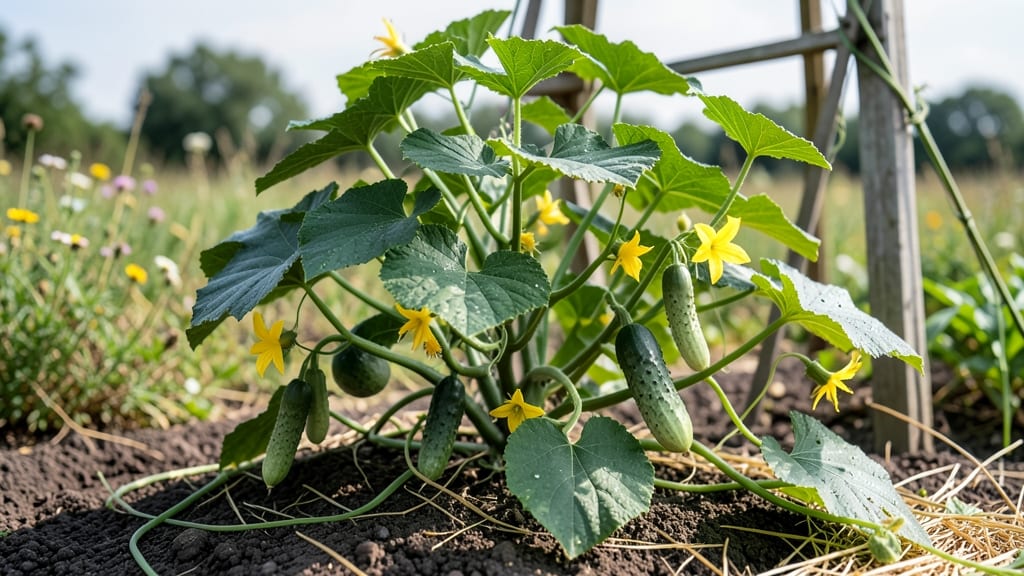
If you're wondering how tall do pickling cucumber plants grow, the answer might surprise you—especially when you're working with limited garden space. These plants can range from just 1 foot for compact varieties to towering vines that reach 6 feet or more, depending on the type you choose.
Traditional pickling cucumbers, like the classic slicing varieties, often sprawl out with long vines that need strong support. But don’t worry—there are plenty of bush varieties designed to stay shorter, making them perfect for small gardens, containers, or even balcony setups.
The key is understanding which type fits your space and growing goals.
In this guide, I’ll break down the height differences between determinate (bush) and indeterminate (vining) pickling cucumbers, plus tips for managing their growth.
Whether you’re trellising, pruning, or just choosing the right variety, you’ll learn how to keep your plants in check without sacrificing those crisp, crunchy cucumbers you love for pickling.
Ready to grow more efficiently? Let’s dive into the best ways to control height, maximize yield, and make the most of your garden—no matter how big (or small) it is.


Standard pickling cucumber plant height: what to expect from traditional varieties
If you're growing traditional pickling cucumbers, you're likely dealing with plants that can reach impressive heights—typically between 4 to 6 feet when allowed to vine freely. These varieties are often indeterminate, meaning they grow continuously throughout the season, producing cucumbers until the first frost.
Without proper support, their sprawling vines can spread 6 to 10 feet wide, making them a classic choice for larger gardens or trellised spaces.
Most standard pickling cucumbers thrive when given vertical support, like a trellis or cage, which helps them grow taller while keeping the fruit off the ground and reducing disease risk.
Varieties like 'Boston Pickling' or 'National Pickling' are prime examples of this growth habit, often producing high yields when provided with the right conditions—6+ hours of sun, well-draining soil, and consistent moisture.
The key to managing their height lies in understanding their growth patterns. Indeterminate varieties will keep climbing and producing cucumbers until frost, while determinate varieties (like some bush types) grow to a fixed height—usually around 3 to 4 feet—and then stop.
Knowing which type you're growing helps you plan for space and support needs from the start.
For traditional varieties, spacing is critical. Plant seeds 2 to 3 feet apart in rows spaced 4 to 5 feet apart to give vines room to sprawl or climb.
If you're short on space, consider vertical gardening techniques, like using a 5-foot trellis or a cucumber cage, to keep plants contained while maximizing your harvest.
| Aspect | Details |
|---|---|
| Height Range | 4–6 feet (indeterminate) |
| Spread | 6–10 feet (without support) |
| Sunlight Needs | 6–8+ hours of full sun |
| Spacing (Seeds) | 2–3 feet apart |
| Support Type | Trellis, cage, or stakes |
| Harvest Window | July–September (until frost) |
One common misconception is that taller cucumber plants always mean higher yields. While indeterminate varieties can produce continuously throughout the season, their vines require more maintenance—like pruning and training—to stay healthy and productive.
If you're working with limited space, opting for bush or compact varieties can simplify your gardening while still delivering a steady supply of pickling cucumbers.
For those growing in containers or small gardens, traditional varieties may not be the best fit unless you're willing to invest in a sturdy trellis or vertical system.
However, even in these cases, proper support can transform a sprawling vine into a space-saving powerhouse, allowing you to grow cucumbers in tight spots like balconies or patios.
When planning your garden layout, consider the mature height and spread of your chosen variety. If you're planting near other vegetables, leave extra space to avoid shading out neighbors like tomatoes or peppers, which also thrive in full sun.
A well-organized garden with proper spacing ensures all plants get the airflow and sunlight they need to thrive.
If you're new to growing pickling cucumbers, start with a small-scale test plot using a traditional variety on a trellis. This approach lets you observe how the plant grows in your specific climate and soil conditions, helping you refine your techniques for future seasons.
Pay attention to how the vines climb, how often they produce, and how the fruit develops—this hands-on experience will guide your decisions for next year.
Remember, the height of your pickling cucumber plants isn’t just about aesthetics; it directly impacts your harvest. Taller plants with proper support produce cleaner, healthier fruit that’s easier to pick and less prone to disease.
With the right variety and care, you can enjoy a bountiful crop of crisp, homegrown pickling cucumbers—no matter how much space you have to work with.
Best compact pickling cucumber varieties for small spaces (under 3 feet)
If you're working with limited garden space but still want a bountiful harvest of pickling cucumbers, compact varieties are your best bet. These bush-type cucumbers grow just 1-3 feet tall while producing plenty of small, crisp fruits perfect for pickling.
The key is choosing determinate varieties—they grow in a compact shape and stop growing once they fruit, making them ideal for containers, small gardens, or even balcony planters.
I’ve tested several dwarf pickling cucumber varieties over the years, and the right choice depends on your specific needs. Some prioritize high yield density, while others focus on early maturity or disease resistance. Let’s explore the top options that thrive in tight spaces without sacrificing productivity.
| Variety | Mature Height | Yield Potential | Days to Harvest | Best For |
|---|---|---|---|---|
| Bush Champion | 1.5–2 ft | High (50+ lbs/100 sq ft) | 50–55 days | Containers, small gardens |
| Little Leaf | 2–2.5 ft | Moderate (30–40 lbs/100 sq ft) | 55–60 days | Balconies, urban gardens |
| Spacemaster | 2–3 ft | Very High (60+ lbs/100 sq ft) | 48–52 days | High-density planting |
| Diva | 1–1.5 ft | Moderate (25–35 lbs/100 sq ft) | 50–55 days | Pots, vertical gardens |
| Sweet Success | 2–2.5 ft | High (40–50 lbs/100 sq ft) | 52–58 days | Early harvests, cool climates |
For container gardening, I recommend Bush Champion or Diva—both stay under 2 feet tall and thrive in 5-gallon pots with proper support. If you’re planting in raised beds or small plots, Spacemaster is a game-changer due to its exceptional yield density. Just
One of my favorite compact pickling cucumbers is Little Leaf—it’s perfect for balcony gardens because it matures quickly and produces small, tender fruits ideal for quick pickling. The trade-off? It yields slightly less than its taller cousins, but the convenience makes up for it. I’ve even grown it in hanging baskets with a small trellis for vertical space savings.
When selecting seeds, always check the variety description for terms like "bush," "compact," or "determinate". These labels guarantee a controlled height and self-supporting growth habit. Avoid indeterminate varieties—they’ll vine indefinitely and overwhelm small spaces.
Pro tip: Look for heirloom or hybrid options labeled as "parthenocarpic" (self-pollinating) for reliable yields even in isolated gardens.
No matter which variety you choose, consistent moisture and rich soil are non-negotiable. These compact pickling cucumbers still need 6+ hours of sunlight daily and well-draining soil to prevent root rot.
Mulch around the base to retain moisture and keep vines off the ground—this simple step can double your harvest by reducing disease risk.