
How To
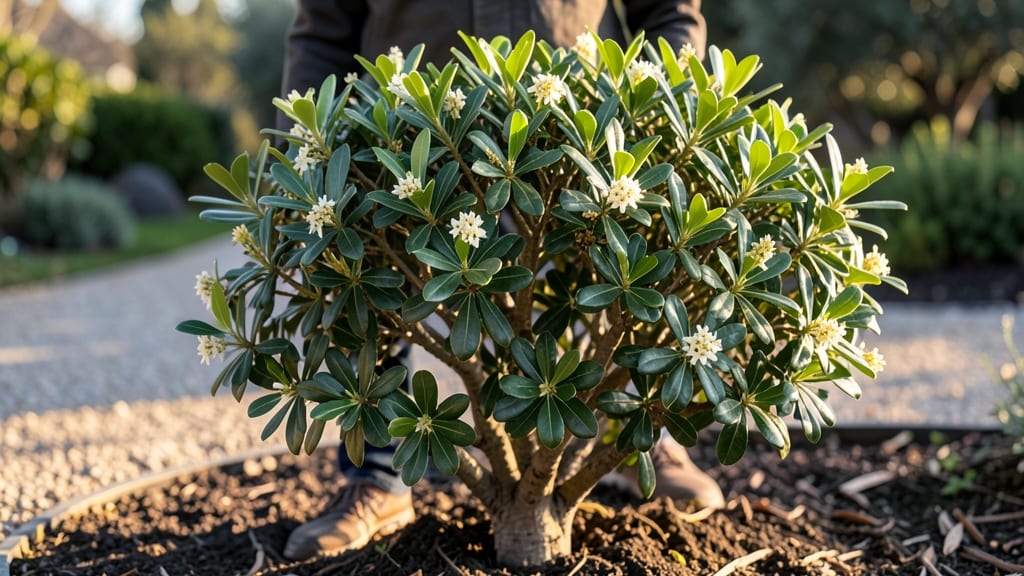
If you're wondering how tall do pittosporum grow, the answer might surprise you—these evergreen shrubs can range from a modest 3 feet to a towering 20 feet, depending on the variety.
Whether you're dreaming of a compact hedge or a statement tree, understanding the growth potential of pittosporum is key to planning your garden layout.
Not all pittosporum are created equal. Some varieties, like the popular P. tobira, mature into large shrubs or small trees reaching 15-20 feet, while others, such as 'Tom Thumb', stay neatly contained at just 3-6 feet.
The difference comes down to genetics, growing conditions, and—you guessed it—pruning.
Here’s the secret: pruning isn’t just about trimming back overgrowth—it’s a powerful tool to shape your pittosporum’s future height. With the right techniques, you can keep a naturally tall variety in check or encourage a dwarf type to reach its full potential. Ready to discover how?
In this guide, we’ll break down the exact height ranges for the most common pittosporum varieties, share pruning tips to control growth, and even explore how to fit these versatile plants into small spaces. Let’s get started!


Pittosporum height guide: exact growth ranges by popular varieties
Pittosporum plants are famous for their adaptability, but their mature height can swing wildly depending on the variety and growing conditions. Some stay as compact shrubs perfect for small gardens, while others grow into small trees that need space.
Let’s break down the height ranges you can expect from the most popular pittosporum types.
If you’re planning your garden layout, knowing these height expectations is key. A 3-foot dwarf pittosporum won’t compete with a 20-foot specimen for space. I’ll cover the extremes and everything in between, so you can pick the perfect fit for your yard.
🌿 Pro Tip: Always check the specific variety’s label—even within the same species, heights can differ by 50% or more.
| Variety | Mature Height | Growth Rate | Best For |
|---|---|---|---|
| 'Tom Thumb' | 3–4 ft | Slow | Containers, borders |
| 'Wheeler’s Dwarf' | 4–6 ft | Moderate | Small gardens, hedges |
| 'Marjorie Channon' | 6–8 ft | Moderate | Privacy screens |
| 'Silver Queen' | 12–15 ft | Fast | Large landscapes |
| 'Iveyi' | 15–20 ft | Fast | Tall hedges, specimen plants |
| 'Redmondii' | 8–12 ft | Moderate | Mixed borders |
The 'Tom Thumb' pittosporum is my go-to for container gardens—it barely grows taller than a standard patio chair (3–4 ft). On the opposite end, 'Iveyi' can reach tree-like proportions, making it a statement piece for larger properties.
If you’re unsure which to choose, consider your garden’s scale and future growth plans.
Most pittosporum varieties grow 1–2 feet per year when young, but this slows as they mature. For example, a 'Marjorie Channon' might hit 6 feet in 5 years but only add 1–2 feet per year after that. Patience pays off—these plants live for decades!
Climate also plays a role. In warmer zones (USDA 8–10), pittosporum grows faster and taller. In cooler climates (USDA 6–7), expect shorter heights and slower growth. If you’re in a transition zone, choose a dwarf variety to avoid disappointment.
One common mistake? Assuming all pittosporum are tree-like. Many are actually multi-stemmed shrubs that benefit from regular pruning to maintain shape. I’ll cover pruning strategies in the next section—but for now, pick a variety that matches your space and vision.
Need a quick reference? Bookmark this table! The height differences between varieties are dramatic, and choosing the right one saves you from years of pruning struggles later.
Pruning secrets to control pittosporum height: when and how to trim
Pruning is your secret weapon for controlling pittosporum height—whether you want a neat hedge or a taller specimen tree. These evergreens respond well to regular trimming, but timing and technique make all the difference.
If you prune at the wrong time, you might encourage unwanted legginess or even damage the plant.
For most pittosporum varieties, the best time to prune is late winter or early spring, just as new growth begins. This timing helps shape the plant while encouraging dense, bushy foliage.
Avoid heavy pruning in fall or winter, as it can leave your pittosporum vulnerable to cold damage or fungal issues.
Here’s how to prune for height control without sacrificing beauty:
Decide if you want to reduce height, maintain shape, or encourage bushiness. Use sharp, clean pruners to avoid tearing branches.
Cut just above a leaf node (the bump where leaves grow) to encourage new growth. For dramatic height reduction, prune up to 1/3 of the plant’s height in one session.
Remove inner branches that cross or rub against others. This improves airflow and prevents disease while keeping the plant full.
Throughout the growing season, trim wayward shoots or overgrown tips to maintain your desired shape. This keeps pittosporum neat and manageable year-round.
Remove all pruned debris from the base of the plant to prevent pests and disease buildup. Sterilize your pruners with rubbing alcohol between cuts.
If you’re growing a tall pittosporum variety like 'Silver Queen' and want to keep it smaller, prune the topmost growth to redirect energy toward side branches. For dwarf varieties, focus on light shaping to maintain their compact form without stunting growth.
Remember, pittosporum regenerates quickly after pruning, so you can adjust height incrementally over time. With the right approach, you’ll have a pittosporum that’s perfectly sized for your garden—whether that’s a 3-foot hedge or a 15-foot statement tree.