
How To
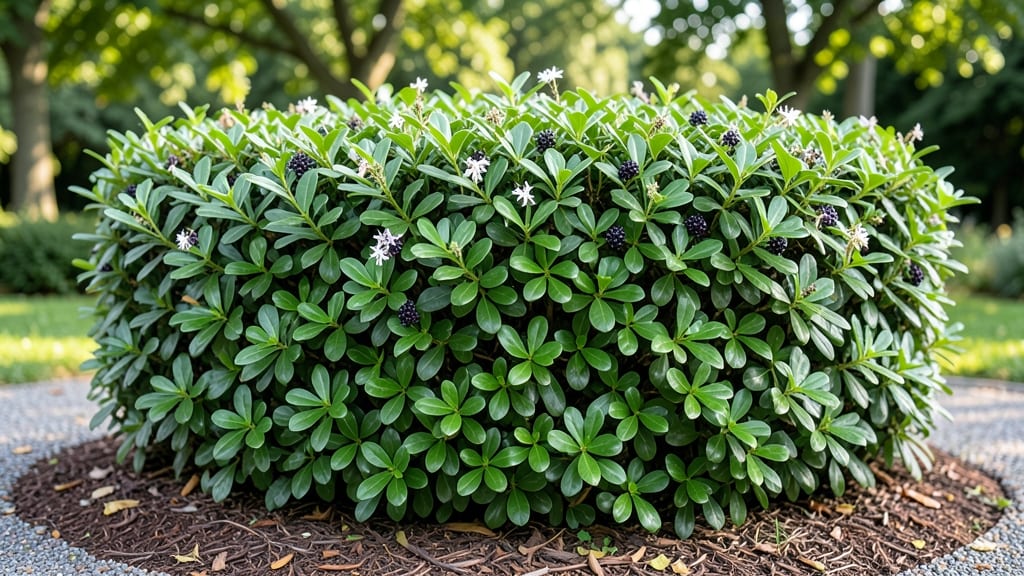
If you're dreaming of a lush, green hedge that adds privacy and structure to your yard, how tall do privet hedges grow might be top of mind.
These hardy shrubs—like the classic Ligustrum ovalifolium—can stretch anywhere from 6 to 15 feet, depending on the variety and how you shape them.
But here’s the thing: your privet’s final height isn’t set in stone. With the right pruning techniques and spacing, you can coax it into a compact border or let it reach for the sky as a towering screen.
Whether you’re working with USDA Zone 6a conditions or a sunny spring planting window, understanding these growth habits is key to getting the look you want.
Let’s break down the height ranges by popular privet types, so you know what to expect—and how to control it. From dwarf varieties that stay under 6 feet to standard types that top out at 15 feet, we’ll cover everything you need to plan your perfect hedge.
Ready to transform your yard? I’ll also share pro tips for pruning and spacing to keep your privet hedge thriving at the size you love—no surprises, just stunning results.


Privet hedge height ranges by popular variety (with mature size expectations)
Privet hedges are classic evergreen shrubs loved for their dense foliage and low-maintenance nature. But their mature height can vary wildly depending on the variety and growing conditions. Some types stay compact enough for borders, while others grow tall enough to serve as privacy screens.
Let’s explore the most common privet varieties and their height expectations.
If you’re planning a hedge, knowing these ranges helps you choose the right privet for your space. For example, dwarf varieties like Ligustrum japonicum 'Rotundifolium' stay under 3 feet tall, perfect for edging garden beds.
On the other hand, standard privet like Ligustrum vulgare can reach 10–15 feet, ideal for tall privacy barriers.
Here’s a quick comparison of the most popular privet varieties and their mature heights:
| Variety | Common Name | Mature Height | Spacing Needs | Best For |
|---|---|---|---|---|
| Ligustrum japonicum 'Rotundifolium' | Dwarf Privet | 3–6 ft | 2–3 ft apart | Borders, edging |
| Ligustrum ovalifolium 'Aureum' | Golden Privet | 6–10 ft | 3–4 ft apart | Low hedges, screens |
| Ligustrum vulgare | Common Privet | 10–15 ft | 5–6 ft apart | Tall privacy screens |
| Ligustrum sinense | Chinese Privet | 8–12 ft | 4–5 ft apart | Medium hedges, windbreaks |
| Ligustrum x vicaryi | Vicary Privet | 6–10 ft | 3–4 ft apart | Formal hedges, topiary |
Choosing the right privet variety is just the first step. Spacing plays a huge role in how tall your hedge ultimately grows. Planting privets too closely can lead to overcrowding, which stunts growth and invites pests.
Conversely, spacing them too far apart leaves gaps that take years to fill. We’ll cover ideal spacing in the next section, but for now, remember: taller varieties need more room to spread their roots and branches.
Another key factor is pruning. Even if a privet variety is naturally tall, regular pruning can keep it at a manageable height.
For example, if you plant Ligustrum vulgare but want it to stay at 6 feet instead of 12 feet, pruning twice a year—once in late spring and again in early summer—will encourage bushier, shorter growth. Just avoid heavy pruning in fall, as this can stress the plant before winter.
Privets grow fastest in full sun, which can accelerate their height if left unchecked. If your hedge is in partial shade, expect slower growth and slightly shorter mature heights.
For instance, a Golden Privet in full sun might reach 10 feet, but in partial shade, it may only hit 8 feet. Always check your local USDA hardiness zone too—privets thrive in zones 6–9, but colder climates can slow their growth.
One common mistake is assuming all privet varieties grow the same. Japanese privet (Ligustrum japonicum) stays much shorter than common privet (Ligustrum vulgare), yet both are often sold as "privet hedges."
Always verify the species name when purchasing plants to avoid surprises. Nurseries sometimes label them generically, so ask for specifics if you’re unsure.
For a quick visual reference, imagine your privet hedge’s mature height compared to everyday objects. A 6-foot
Privet hedge height ranges by popular variety (with mature size expectations)
Privet hedges (Ligustrum spp.) are versatile evergreens that can range from compact border plants to towering privacy screens—it all depends on the variety and how you manage their growth.
The most common types, like Ligustrum vulgare (common privet) and Ligustrum ovalifolium (Japanese privet), have distinct mature heights, so choosing the right one for your space is key.
If you’re planning a privacy screen, you’ll want taller varieties that can reach 10–15 feet without aggressive pruning. For low borders or foundation plantings, dwarf or semi-dwarf types stay neatly between 3–10 feet. Let’s break down the most popular varieties and their natural growth habits.
For example, Ligustrum vulgare is the tallest variety, often used for privacy screens in rural or suburban settings where space isn’t a constraint. Meanwhile, Ligustrum × vicaryi is perfect for low hedges along walkways or as a foundation planting under windows.
Always check the specific cultivar’s tags, as some hybrids (like 'Golden Privet') may grow taller or wider than expected.
Another factor influencing height is soil quality and sun exposure. Privets thrive in well-draining soil with full sun to partial shade, but poor soil or shade can stunt growth.
If your yard has clay-heavy soil, amend it with compost to encourage healthier, fuller growth and reach the variety’s potential height.
Pro tip: If you’re unsure which variety to choose, opt for Ligustrum ovalifolium—it’s the most adaptable, tolerating a range of conditions while staying within a 6–10 foot mature height. This makes it ideal for urban gardens where space is limited but privacy is desired.
Remember, even the tallest privet hedge can be shaped with regular pruning. I’ll cover how to control height in the next section—whether you want a neat 3-foot border or a 12-foot privacy wall, pruning is your best tool for customization.