
How To
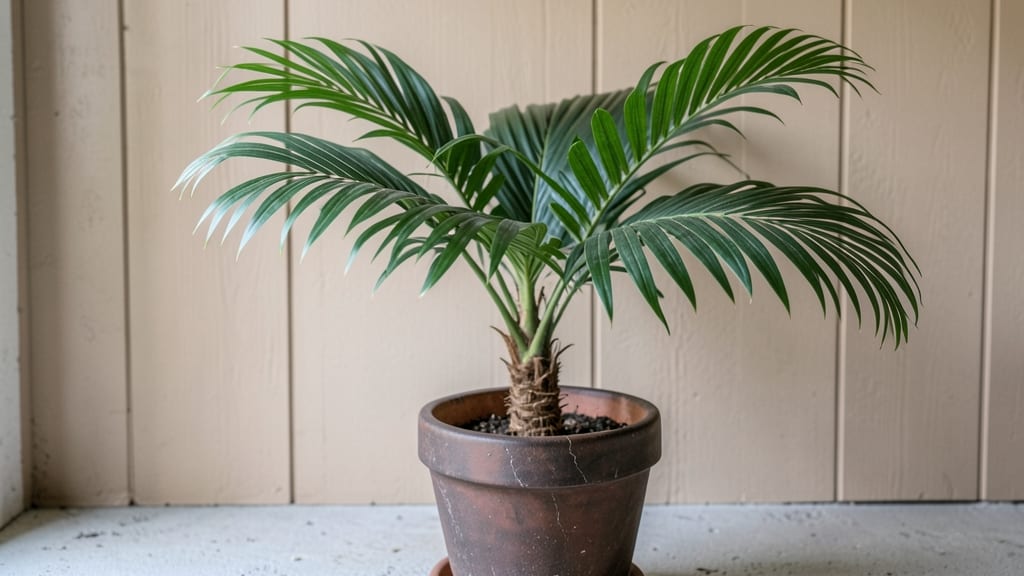
Wondering how tall do pygmy palms grow before they outgrow your space? These tropical beauties—like the charming 🌴 Chamaedorea elegans—typically stay between 3 and 6 feet at maturity, making them ideal for both indoor corners and outdoor gardens.
But their final height depends on where you plant them, whether in a cozy pot or directly in the ground.
If you're keeping your pygmy palm indoors, expect slower growth—usually just 6 to 12 inches per year—thanks to limited sunlight and smaller containers. Outdoors, with more light and space, they can reach their full height faster, especially in warmer climates like USDA Zone 6a.
The key? Balancing their love for indirect light with the right container size to control their height naturally.
Curious about how to keep them from towering over your furniture? I’ll share simple tricks like pruning, repotting, and light adjustments that’ll help you shape their growth to fit your space—whether you want a tabletop statement or a backyard centerpiece.
Let’s dive into the details so you can enjoy your pygmy palm without the worry.
From the Pygmy Date Palm to the Neanthe Bella Palm, each variety has its own quirks. Some stay compact, while others stretch taller—so I’ll break down exactly what to expect and how to nurture them for the perfect height. Ready to get growing?


Pygmy palm height guide: exact growth measurements for indoor and outdoor conditions
Pygmy palms (Chamaedorea spp.) are prized for their compact size and tropical charm, but their exact height depends on variety, growing conditions, and care. On average, these palms reach 3 to 6 feet at maturity, making them ideal for indoor spaces or small gardens.
However, their growth rate and final height can vary significantly based on whether they're grown indoors or outdoors.
Indoor pygmy palms typically grow slower due to limited sunlight and controlled environments. In containers, they often max out at 3 to 4 feet over 3–5 years, while outdoor specimens in optimal conditions can reach 5 to 6 feet in the same timeframe.
Understanding these differences helps you plan placement and care strategies to achieve your desired height.
Here’s a quick reference for mature height ranges and how to manage them, whether you’re placing your palm in a sunny patio or a shady living room corner:
| Growth Factor | Indoor Conditions | Outdoor Conditions |
|---|---|---|
| Mature Height Range | 3–4 feet | 4–6 feet |
| Growth Rate (Per Year) | 6–12 inches | 12–24 inches |
| Time to Maturity | 3–5 years | 2–4 years |
| Key Limiting Factor | Light exposure | Container size |
Sunlight is the biggest determinant of height. Indoor pygmy palms thrive near east or north-facing windows where they receive 4–6 hours of bright indirect light daily. Without enough light, growth slows dramatically, and fronds may become smaller and sparser.
Outdoors, they prefer partial shade (morning sun, afternoon shade) to avoid leaf scorch, which can stunt growth.
Container size also plays a critical role. Pygmy palms in small pots (10–12 inches wide) grow more slowly and stay compact, while those in larger containers (16+ inches) have room to reach their full height.
If you’re aiming for a shorter palm, opt for a smaller pot and prune regularly. For taller growth, upgrade to a larger container and ensure it has drainage holes to prevent root rot.
Soil quality affects height indirectly by influencing nutrient uptake and root health. Use a well-draining potting mix with peat moss or coconut coir for indoor plants, and amend garden soil with compost for outdoor specimens.
Poor soil can lead to stunted growth or even death, so prioritize a mix that mimics their natural humid, acidic environment.
Watering habits impact height too. Overwatering causes root rot, which weakens the plant and slows growth, while underwatering leads to brown fronds and stress. Aim for consistent moisture—water when the top 1–2 inches of soil feel dry.
In summer, you may need to water every 5–7 days, while winter care reduces this to every 2–3 weeks.
Fertilizer choices matter less for height than for overall health, but a balanced 10-10-10 fertilizer applied every 4–6 weeks during spring and summer encourages steady growth.
Avoid over-fertilizing, which can burn roots and halt growth entirely. If you notice yellowing fronds, flush the soil with water to remove excess salts.
For indoor pygmy palms, height control is easier with regular pruning. Trim brown or yellow fronds at the base to redirect energy to new growth. If your palm becomes too leggy, prune the top few fronds to encourage bushier growth.
Outdoors, pruning is less critical unless you’re shaping the plant for a specific look.
If you’re planning to move your pygmy palm outdoors, do so gradually to avoid sunburn. Start with 2–3 hours of morning sun and gradually increase exposure over 2–3 weeks. This adjustment period helps the plant acclimate and ensures steady, healthy growth rather than sudden stress-induced stunting.
How to control pygmy palm height: pruning, repotting, and lighting tips
If your pygmy palm is growing taller than you’d like—or not reaching its full potential—don’t worry! With a few simple adjustments, you can guide its height to match your space.
The key lies in pruning, container size, and light exposure. Even a 6-foot-tall palm can stay compact with the right care.
First, let’s tackle pruning. Unlike many palms, pygmy palms tolerate pruning well, but timing matters. Trim brown or yellow fronds at the base using clean, sharp pruning shears.
Avoid cutting healthy fronds, as this can stress the plant. For a neater look, remove fronds from the bottom up to encourage new growth at the base.
Here’s a critical tip: Never prune more than 1/3 of the fronds at once. This ensures your palm doesn’t go into shock and keeps it healthy. If your palm is leggy or stretching toward light, it’s begging for better lighting.
Move it to a brighter spot (like an east-facing window) to slow vertical growth and encourage bushier foliage.
⚠️ Avoid These Mistakes
Over-pruning can stunt growth or kill your palm. Under-potting leads to root-bound stress, causing leggy growth. Direct sunlight burns fronds, while dim lighting stretches stems. Balance is key!
Next, let’s talk repotting. Pygmy palms thrive in snug containers—too much space encourages rapid (and often tall) growth. Repot every 2–3 years or when roots circle the pot.
Choose a container just 1–2 inches wider than the current one. Well-draining soil with peat or perlite keeps roots happy without encouraging excessive height.
For outdoor pygmy palms, mulch around the base with organic matter to retain moisture and nutrients. In indoor settings, rotate the pot quarter-turns monthly to prevent lopsided growth. This simple habit ensures even light exposure, keeping your palm compact and symmetrical.
Finally, monitor your palm’s growth rate. Most pygmy palms grow 6–12 inches per year, but this slows in low-light conditions. If yours is growing too fast, reduce fertilizer frequency to every 8–12 weeks instead of monthly. The goal? A balanced, manageable size that fits your space perfectly.