
Trees
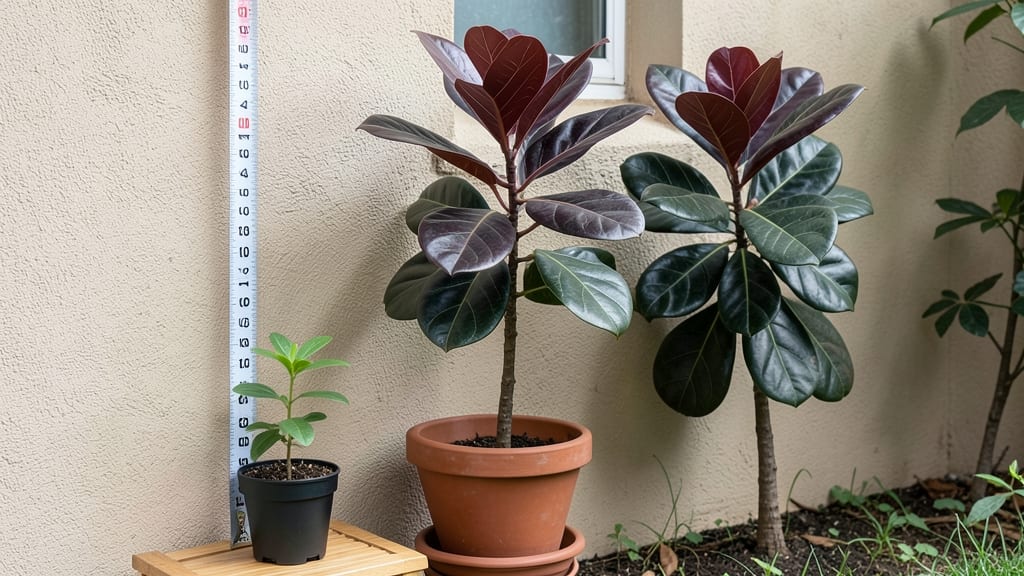
Rubber tree height limits: indoor growth potential by species and variety
If you're growing a rubber tree (Ficus elastica) indoors, its height can vary dramatically based on the variety you choose. While some cultivars stay compact and manageable, others can easily reach ceiling heights in just a few years.
The key factors controlling indoor growth are light exposure, container size, and pruning habits. Let’s explore the height potential of popular rubber tree varieties and how to manage them for your space.
Most rubber trees indoors grow between 3 to 10 feet tall if left unpruned, but with proper care, you can keep them as short as 2 to 3 feet for a bushier appearance.
Dwarf varieties like 'Tineke' or 'Black Prince' are especially popular for small spaces, while standard types like 'Decora' or 'Robusta' can stretch taller if given the right conditions.
The growth rate also depends on the time of year—expect 1 to 2 feet of new growth per year during active spring and summer months.
Light plays a critical role in height control. Rubber trees grown in bright indirect light (like an east or west-facing window) tend to grow more slowly and develop thicker stems.
In contrast, a tree placed in low-light conditions will stretch aggressively toward any available light source, often becoming leggy and weak. If your rubber tree is growing too tall too quickly, it’s likely a sign of insufficient light or root-bound conditions in its container.
Container size directly impacts height. Rubber trees in small pots (under 12 inches in diameter) will grow more slowly because their roots are restricted. However, if the pot is too small for too long, the tree may become root-bound and stressed, which can stunt growth or even kill the plant.
Aim for a pot that’s 2 to 4 inches larger in diameter than the current root ball, and repot every 2 to 3 years to encourage steady, healthy growth.
🌱 Rubber Tree Indoor Height Guide by Variety
| Variety | Typical Indoor Height | Growth Rate (Per Year) | Best For |
|---|---|---|---|
| 'Tineke' | 2–4 ft | 6–12 inches | Small spaces, bushy growth |
| 'Black Prince' | 3–6 ft | 1–2 ft | Medium rooms, dramatic foliage |
| 'Decora' | 4–8 ft | 1.5–2.5 ft | Taller indoor spaces |
| 'Robusta' | 5–10 ft | 2–3 ft | Large rooms, fast growth |
| 'Burgundy' | 3–7 ft | 1–2 ft | Colorful foliage, medium spaces |
Pruning is your best tool for controlling height. If your rubber tree is growing too tall, you can top it by cutting just above a leaf node. This encourages the tree to branch out and grow wider instead of taller.
For a more dramatic change, prune back 1/3 of the height in early spring, which will stimulate new growth from lower nodes. Always use sterilized pruning shears to avoid introducing diseases, and never remove more than 25% of the foliage at once.
Another trick to slow height growth is to rotate your rubber tree quarter-turns every few weeks. This ensures even light exposure all around the plant, preventing it from stretching toward one light source.
Pair this with a balanced liquid fertilizer (like 10-10-10) applied every 4 to 6 weeks during the growing season to support compact, healthy growth. Over-fertilizing can lead to rapid but weak growth, so always follow the package instructions.
If you’re concerned about your rubber tree outgrowing its space, consider training it as a bonsai. While rubber trees aren’t traditional bonsai material, you can prune aggressively and use small containers to keep them under 2 feet tall.
Combine this with regular pinching of new growth tips to encourage a dense, bushy shape. Just be prepared for slower growth—bonsai-style rubber trees may take years to reach their full potential.
Remember, rubber trees are resilient, and even if yours grows taller than expected, you can always prune it back. The key is to monitor its growth regularly and adjust your care routine as needed.
With the right variety and conditions, you can enjoy a rubber tree that fits perfectly in your home—whether you prefer a petite tabletop plant or a towering indoor statement piece.
Outdoor rubber tree growth: how climate and species determine height
When rubber trees (Ficus elastica) thrive outdoors, they can become true giants—reaching heights of 30 to 100 feet in ideal tropical climates. However, their growth potential depends heavily on your USDA hardiness zone, soil quality, and species.
In temperate zones (like USDA Zone 10 or higher), outdoor rubber trees typically max out at 15 to 25 feet, while colder climates may stunt their growth entirely. Understanding these factors helps you choose the right variety for your garden.
Outdoor rubber trees grow fastest in warm, humid environments with year-round warmth and well-draining, slightly acidic soil (pH 6.0–7.0). Species like Ficus elastica 'Robusta' are hardier and can tolerate cooler temperatures than delicate cultivars like 'Burgundy.'
If you live in a Zone 9 or lower, opt for dwarf varieties or container-grown trees to control height and protect them from frost damage.
| Climate Zone | Max Height | Growth Rate | Best Species |
|---|---|---|---|
| Tropical (Zones 10-12) | 30–100 ft | 2–4 ft/year | Robusta, Decora |
| Temperate (Zones 8-9) | 15–25 ft | 1–2 ft/year | Burgundy, Tineke |
| Cool (Zones 6-7) | 5–10 ft (container-grown) | 6–12 inches/year | Black Prince (dwarf) |
To maximize outdoor growth, plant rubber trees in partial shade to avoid leaf scorch, especially in hotter climates. Mulch the base with 2–3 inches of organic matter (like compost or bark) to retain moisture and encourage root expansion.
In drought-prone areas, water deeply 2–3 times per week during the first year to establish strong roots. Over time, mature trees develop drought tolerance, but consistent moisture keeps them lush and vibrant.
One of the biggest mistakes gardeners make is over-pruning young outdoor rubber trees. While pruning helps shape the tree, aggressive cuts can stress it and slow growth. Instead, prune only to remove dead or damaged branches in late winter or early spring.
If you’re growing rubber trees in containers outdoors, choose pots at least 12 inches wide to accommodate root growth and upgrade to larger containers every 2–3 years to support upward expansion.
Outdoor rubber trees also benefit from annual fertilization in early spring using a balanced 10-10-10 NPK fertilizer. Apply 1 tablespoon per foot of tree height, working it into the top 2 inches of soil.
Avoid high-nitrogen fertilizers, which can lead to leafy growth at the expense of height. Pair fertilization with regular mulching to protect roots from temperature fluctuations and retain soil nutrients.
If you’re growing rubber trees in urban or suburban gardens, be mindful of their wide-spreading canopies. Mature trees can grow 10–15 feet wide, so plant them at least 15 feet away from structures, sidewalks, or other plants.
In smaller gardens, consider espalier training to grow them against a fence or trellis, controlling height while adding vertical interest to your landscape.
With the right care, outdoor rubber trees can become stunning focal points in your garden—whether as a solitary specimen or part of a tropical-themed landscape. Just remember: patience is key.
It can take 5–10 years for a rubber tree to reach its full height, but the payoff is a lush, low-maintenance tree that thrives for decades with minimal intervention.