
How To
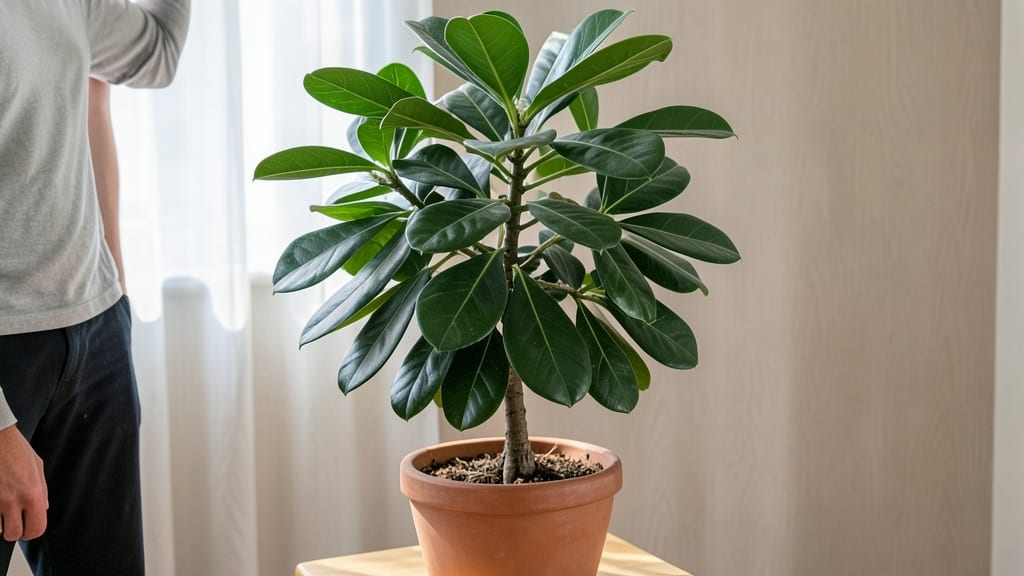
Schefflera height by variety: indoor vs outdoor growth limits explained
If you’ve ever wondered whether your schefflera will stretch toward the ceiling or stay a manageable height, the answer depends entirely on the variety and its growing environment.
Schefflera plants—like the popular Schefflera arboricola and Schefflera actinophylla—can vary dramatically in size, from compact tabletop plants to towering outdoor shrubs. Understanding these differences will help you set realistic expectations and plan your care routine accordingly.
For example, the dwarf varieties like Schefflera arboricola ‘Trinidad’ typically max out at 3-5 feet tall, making them perfect for small apartments or office desks.
On the other hand, the standard varieties, such as Schefflera actinophylla (also called the umbrella tree), can reach 10-12 feet tall outdoors with ideal conditions. Indoor scheffleras, however, rarely exceed 6-8 feet due to limited space and light.
Outdoor scheffleras grow significantly faster and taller than their indoor counterparts because they have access to more sunlight, fresh air, and larger root systems. In fact, a schefflera planted in the ground can grow 2-3 feet per year under optimal conditions, while an indoor plant might only add 6-12 inches annually. The key difference lies in the light exposure, humidity levels, and pot size—all of which directly impact growth rate and height.
Here’s a quick comparison to help you visualize the differences between common schefflera varieties and their mature heights:
| Variety | Indoor Height (ft) | Outdoor Height (ft) | Growth Rate (in/year) | Best For |
|---|---|---|---|---|
| Schefflera arboricola | 3-6 ft | 8-12 ft | 6-12 in | Indoor/outdoor |
| Schefflera actinophylla | 5-8 ft | 10-15 ft | 12-24 in | Outdoor/sunny spots |
| Dwarf varieties (e.g., 'Trinidad') | 2-4 ft | 4-6 ft | 4-8 in | Small spaces |
| Variegated varieties | 4-7 ft | 9-12 ft | 8-16 in | Decorative use |
The light conditions in your home or garden play a massive role in how tall your schefflera grows. For instance, a schefflera placed in a bright, indirect light spot will grow taller and fuller compared to one tucked in a dark corner.
If you notice your plant stretching toward the light or developing long, leggy stems, it’s a sign it needs more illumination. Conversely, too much direct sunlight can scorch the leaves, slowing growth and causing stress.
Another critical factor is humidity. Scheffleras thrive in environments with 40-60% humidity, which is common outdoors but often lacking indoors. Low humidity can stunt growth and cause the leaves to brown at the tips.
If you live in a dry climate or have central heating, consider using a humidifier or placing the plant on a pebble tray to mimic its natural habitat. This simple adjustment can encourage healthier, faster growth.
Pot size also influences height. Scheffleras in small pots will grow more slowly because their roots are restricted, while those in large containers or planted in the ground can spread their roots freely, leading to taller growth.
If you want to control your schefflera’s height, choose a pot that’s only slightly larger than its root ball. For outdoor plants, consider root pruning during repotting to encourage bushier growth rather than vertical stretching.
Finally, remember that pruning is your best tool for managing height. Regular trimming not only keeps your schefflera at a desired size but also encourages it to branch out, creating a fuller, more compact shape.
I’ll cover pruning techniques in detail in the next section, but for now, know that a little maintenance goes a long way in keeping your schefflera from becoming a ceiling-height monster.
Whether you’re growing a schefflera for its lush foliage or its air-purifying benefits, understanding its potential height will help you create the perfect environment. With the right care, you can enjoy a schefflera that fits seamlessly into your space—whether it’s a 3-foot tabletop plant or a 12-foot outdoor statement piece
Schefflera height by variety: indoor vs outdoor growth limits explained
Your schefflera’s height depends entirely on its variety and growing conditions. For example, the Schefflera arboricola (also called umbrella plant) typically reaches 6-10 feet tall indoors but can stretch 15+ feet outdoors with ideal conditions.
Meanwhile, the Schefflera actinophylla (or octopus tree) grows even taller—up to 12 feet indoors and 20+ feet outdoors—if left unpruned.
Outdoor scheffleras thrive in USDA Zones 10-12, where they grow faster due to higher humidity and direct sunlight. Indoors, their growth slows unless you provide bright indirect light and consistent humidity. Without these, leggy growth and stunted height are common.
| Variety | Indoor Height | Outdoor Height | Growth Rate |
|---|---|---|---|
| Schefflera arboricola | 6–10 ft | 15–20 ft | Moderate (1–2 ft/year) |
| Schefflera actinophylla | 8–12 ft | 20–25 ft | Fast (2–3 ft/year) |
| Schefflera elegantissima | 3–5 ft | 8–10 ft | Slow (6–12 in/year) |
Height varies with pruning, light, and care.
Light exposure is the biggest factor in height control. Place your schefflera near an east- or west-facing window for bright indirect light, which encourages compact growth. Avoid direct sunlight, which can scorch leaves and cause erratic growth spurts.
If your plant stretches toward a window, it’s light-starved—rotate it weekly for even growth.
Pot size also affects height. Root-bound scheffleras grow taller and leggier as they compete for space. Repot every 2–3 years into a container just 1–2 inches larger than the current one. Overpotting can slow growth, while too-small pots stress the plant and stunt its height.
Humidity plays a subtle but critical role. Scheffleras love 50–70% humidity, which helps them grow fuller and taller without legginess. In dry indoor air, use a pebble tray or humidifier near the plant. Outdoor scheffleras benefit from natural humidity but may need regular misting in dry climates.
If your schefflera is already too tall for its space, don’t panic—pruning can reset its height. Simply trim back leggy stems to your desired length, and the plant will regrow bushier in no time. Just avoid cutting more than 1/3 of the plant at once to prevent shock.