
How To
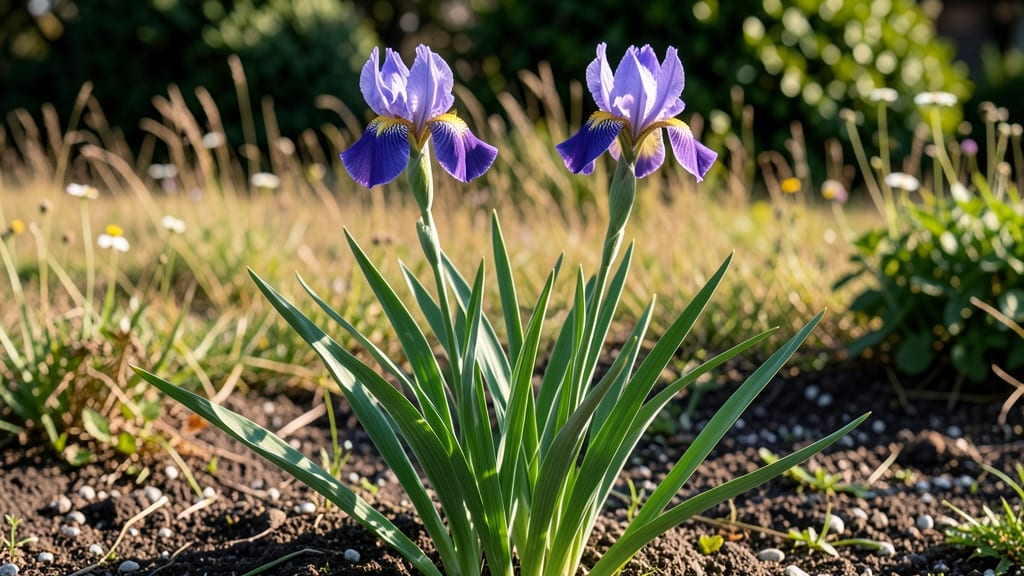
Wondering how tall do Siberian iris grow before you commit to planting them? These stunning 🌸 Siberian iris can surprise you with their dramatic height—some varieties reach nearly waist-high, while others stay compact enough for smaller gardens.
If you're planning your garden layout, knowing their mature size is key to avoiding overcrowding or wasted space. Whether you're a seasoned gardener or just starting out, understanding these height variations helps you choose the perfect spot for their striking blooms.
From dwarf varieties that stay around 18 inches to towering types that hit 4 feet, the differences can be significant. I'll break down what to expect based on your specific variety and growing conditions so you can make the best decisions for your landscape.
Ready to discover how these hardy perennials will transform your garden? Let's explore the factors that influence their height and how you can encourage them to reach their full potential.


Siberian iris height ranges by variety: what to expect from dwarf to giant types
Siberian iris plants are famous for their striking vertical presence in gardens, but their mature height can vary dramatically depending on the cultivar you choose.
While most gardeners expect these perennials to reach 2 to 3 feet at maturity, some dwarf varieties stay as short as 12 inches, while the tallest types can soar to 4 feet.
This variation makes them incredibly versatile for different garden designs, from border plantings to dramatic backdrop specimens.
Understanding these height differences is key to selecting the perfect Siberian iris for your space. For example, 'Royal Blue' typically grows 24 to 30 inches tall, making it ideal for mid-height garden beds, while 'Butter and Sugar' often maxes out around 18 to 24 inches, perfect for front-of-border planting.
The genetics behind each cultivar determine these height ranges, with some modern hybrids bred specifically for compact growth.
Here’s how to navigate the spectrum of Siberian iris heights—from the smallest to the tallest—so you can make an informed choice for your garden layout.
If you’re working with a limited garden space, dwarf varieties like 'Butter and Sugar' or 'Little Spice' (12–18 inches) are excellent choices. These stay low to the ground while still delivering bold color and texture.
On the other hand, if you’re aiming for a wow factor, taller cultivars like 'White Swan' or 'Harmony' will create a stunning vertical display, especially when planted in groups.
The height of Siberian iris isn’t just about the cultivar, though. Environmental factors like soil fertility, sunlight exposure, and watering consistency can influence how tall your plants grow.
For instance, plants in rich, well-draining soil with full sun exposure often reach their maximum height potential, while those in shady or nutrient-poor conditions may stay shorter. This flexibility lets you fine-tune growth to fit your garden’s specific conditions.
For gardeners who love to experiment, consider mixing different heights in the same bed. Pairing a 24-inch variety like 'Caesar’s Brother' with a 36-inch giant like 'White Swan' creates a layered, dynamic look.
Just be sure to space them appropriately—12 to 18 inches apart—to allow each plant room to thrive without competing for resources.
One common misconception is that all Siberian iris grow to the same height. In reality, the range is vast, and choosing the right cultivar for your space can make or break your garden design.
For example, planting a 4-foot variety in a 1-foot-tall border will quickly overwhelm the area, while a dwarf type in a large, open space might look lost. Always check the mature height before purchasing to avoid disappointment.
Pro tip: If you’re unsure about a variety’s height, ask your local nursery for mature plant photos or check online forums for real gardeners’ experiences. Many hybridizers also provide height ranges on seed packets, so you can plan with confidence.
With the right choice, your Siberian iris will not only reach the perfect height but also thrive for years with minimal care.
🌸
Seasonal growth patterns: when Siberian iris reach peak height and bloom time
Siberian iris plants follow a predictable growth cycle that directly impacts their height and bloom timing. Understanding this pattern helps you anticipate when they’ll reach their maximum height—typically between late spring and early summer—and when to expect those showstopping purple, blue, or yellow blooms.
Their growth starts slowly in early spring as rhizomes push up through the soil.
The first 6–8 weeks are all about root and shoot establishment. During this time, your Siberian iris might only grow to 6–12 inches tall, but don’t be fooled—this is when they’re building the foundation for their eventual height.
Proper care during this stage ensures they’ll have the energy to reach their full potential later in the season.
🌱 Siberian Iris Growth Timeline
- March–April: Shoots emerge 3–6 inches tall; focus on watering and sunlight.
- May: Rapid vertical growth to 12–24 inches; blooms begin opening.
- June: Peak height 24–48 inches; full bloom period (3–4 weeks).
- July–August: Post-bloom decline; foliage yellows; divide rhizomes if needed.
- September–October: Dormant period; plant new rhizomes for next year.
Sunlight plays a critical role in determining how tall your Siberian iris will grow. While they thrive in full sun (6+ hours daily), insufficient light can stunt their height by up to 30%.
If you notice your plants staying shorter than expected, check their location—even partial shade can delay growth. For maximum height, plant them in the sunniest spot in your garden.
Soil temperature also influences growth speed. Siberian iris rhizomes need warm soil (60°F+) to sprout actively. In cooler climates, growth may be slower, and plants might take longer to reach peak height.
To speed things up, plant rhizomes in well-draining, slightly rocky soil—this mimics their native habitat and encourages faster vertical growth.
One often-overlooked factor is planting depth. Burying rhizomes too deep can restrict height, while planting them too shallow risks exposing the crown to rot. Aim for 4 inches deep with the crown visible—this balance ensures strong root development and optimal height potential.
Finally, remember that first-year growth is slower. Your Siberian iris might only reach 12–18 inches in their first season, but by year two, they’ll double in height if given proper care.
Patience pays off—with the right conditions, these plants will reward you with dramatic vertical presence for years to come. 🌿