
Plants
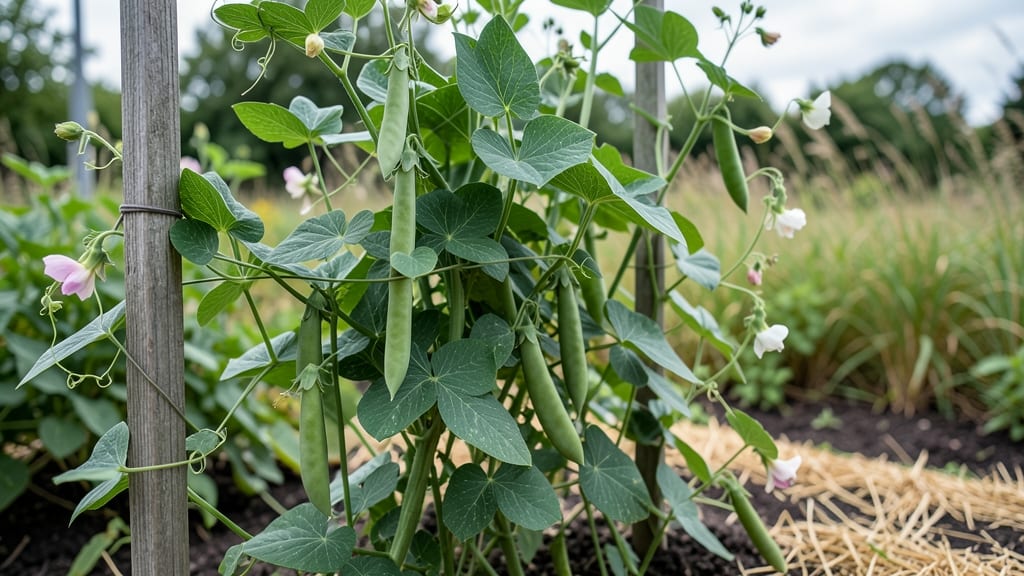
If you're wondering how tall do sugar snap pea plants grow, the answer might surprise you—these little seeds pack a climbing punch, reaching heights of 6 to 8 feet when given proper support.
Without a trellis, they’ll sprawl like tangled vines, but with the right structure, they’ll grow vertically like nature’s own ladder. That’s the secret to maximizing your harvest in even the smallest garden spaces.
For gardeners in USDA Zone 6a, timing is everything. Plant your 🌱 Sugar Snap Pea seeds in early spring or late summer, and you’ll see those vines start climbing within 60-70 days.
The key to their impressive height lies in their natural tendency to twine around supports—think bamboo stakes, wire mesh, or sturdy fencing. Without it, their growth becomes a tangled mess, and your yield suffers.
But here’s the best part: with the right trellis height and care, you can turn your garden into a vertical feast. Imagine pods dangling like edible decorations, easy to pick and packed with flavor.
Whether you’re a beginner or a seasoned gardener, understanding their growth habits will help you avoid common mistakes and get the most out of your plants.
Ready to transform your garden? I’ll walk you through everything you need to know—from choosing the right trellis to maximizing your harvest. Let’s get those 🌱 Sugar Snap Pea plants reaching for the sky!


Sugar snap pea plant growth height: what to expect and why it matters
Sugar snap peas are climbing vines that thrive when given proper support, but many gardeners underestimate just how tall they can grow. Without a trellis or sturdy support structure, these plants will sprawl across your garden bed, leading to tangled vines, fewer pods, and increased pest risks.
When properly trellised, sugar snap peas typically reach a mature height of 6–8 feet, making them perfect candidates for vertical gardening.
Understanding their growth habits isn’t just about aesthetics—it’s about maximizing yield. When vines climb upward, they receive better airflow, reducing the risk of fungal diseases like powdery mildew. Plus, vertical growth keeps pods off the damp soil, where they’re more prone to rot.
The key to success lies in choosing the right trellis height, variety, and care practices tailored to your garden’s conditions.
Most sugar snap pea varieties fall into two categories: standard climbing types and bush varieties (though bush types are rare and less common). The standard varieties, like 'Sugar Sprint' or 'Super Sugar Snap,' are the ones you’ll see reaching those impressive heights.
These plants grow aggressively once they sense support, so providing a trellis early—even before vines appear—is critical. Without it, you’ll end up with a messy, low-yielding patch instead of a productive vertical garden.
The genetics of your sugar snap pea variety play a huge role in determining final height. Some varieties, like 'Oregon Sugar Pod,' are bred to be slightly shorter (around 5–6 feet), while others, such as 'Tom Thumb,' can exceed 8 feet when given ideal conditions.
Always check the seed packet for mature height estimates, as this will guide your trellis planning. For example, if you’re growing in a small-space garden, a shorter variety might be your best bet to avoid overcrowding.
Another critical factor is soil fertility. Sugar snap peas are light feeders, but they do need phosphorus and nitrogen to fuel their rapid vertical growth. If your soil is nutrient-poor, vines may grow slowly or produce weak stems that struggle to climb.
A balanced fertilizer (5-10-10) applied at planting and again when flowers appear can make a noticeable difference in height and pod production. However, avoid over-fertilizing with nitrogen—this can lead to lush foliage at the expense of pods.
Sunlight exposure also impacts how tall your sugar snap peas will grow. These plants require at least 6 hours of direct sunlight daily to reach their full potential. In shady conditions, vines may grow taller but weaker, with fewer pods and slower maturation.
If you’re growing in partial shade, consider choosing a shade-tolerant variety like 'Sugar Ann' or opt for a shorter trellis (5–6 feet) to accommodate the reduced growth rate. Always place your trellis in the sunniest spot of your garden for best results.
One of the biggest mistakes gardeners make is waiting too long to install a trellis. Sugar snap peas start climbing as soon as they sense support, so if you wait until vines are already sprawling, you’ll miss the opportunity for straight, upward growth.
Install your trellis before seeds sprout or as soon as seedlings emerge. For maximum support, use a strong, wide-mesh trellis (like wire mesh or bamboo stakes) that can handle the weight of mature vines and pods.
A 6-foot trellis is the minimum, but 7–8 feet is ideal for most varieties.
Finally, don’t forget that proper pruning can influence height and yield. While sugar snap peas don’t require heavy pruning, removing side shoots that grow below the lowest pod can encourage the plant to focus energy on upward growth and pod production.
This simple step can help maintain a neater, more productive vine while reducing the risk of disease in crowded foliage. With the right care, your sugar snap peas will reward you with a bountiful vertical harvest that’s both space-efficient and visually stunning.
Optimal trellis height for sugar snap peas: science-backed guidelines
When planning your sugar snap pea garden, trellis height isn’t just about aesthetics—it’s about maximizing your harvest. Most varieties reach 6–8 feet tall when properly supported, but without the right structure, they’ll sprawl, reducing yield and inviting pests.
The key? Matching your trellis to the plant’s natural climbing tendencies while accounting for your garden’s space and sunlight.
For high-yielding varieties like 'Sugar Ann' or 'Super Sugar Snap,' aim for a trellis that’s at least 6 feet tall. These plants thrive when given room to climb vertically, which keeps pods clean, dry, and easy to harvest.
If you’re working with limited space, dwarf varieties like 'Tom Thumb' max out around 3–4 feet, but they still benefit from support to prevent lodging.
Here’s how to calculate the perfect trellis height for your garden:
| Variety Type | Recommended Trellis Height | Spacing Between Plants | DIY Trellis Material |
|---|---|---|---|
| Standard Climbing (e.g., 'Sugar Ann') | 7–8 feet | 2–3 inches apart | Bamboo stakes or wire mesh |
| Dwarf (e.g., 'Tom Thumb') | 4–5 feet | 1–2 inches apart | Small A-frame or tomato cages |
| Semi-Dwarf (e.g., 'Oregon Sugar Pod') | 5–6 feet | 2 inches apart | Tall stakes or netting |
For DIY trellises, bamboo stakes or wire mesh are budget-friendly and effective. If you’re planting in rows, an A-frame trellis (8 feet tall) works wonders for high-density gardens.
Space trellises 3 feet apart to allow easy access for harvesting and maintenance. Pro tip: Add a crossbar at 3 feet to encourage early vine attachment and prevent flopping.
Sunlight exposure also plays a role—if your garden gets partial shade, opt for a slightly shorter trellis (6 feet) to avoid overcrowding. In full sun, the 8-foot range ensures optimal photosynthesis and pod production.
Monitor your plants weekly: if vines struggle to reach the top, extend your trellis or thin plants to reduce competition.
Remember, trellis height isn’t static. As your peas mature, their vines will naturally climb higher. If you notice pods forming near the base but not higher up, it’s a sign to add an extra foot or two to your support structure.
With the right setup, you’ll turn sprawling vines into a vertical harvest machine—and who doesn’t love a garden that works smarter, not harder? 🌱