
How To
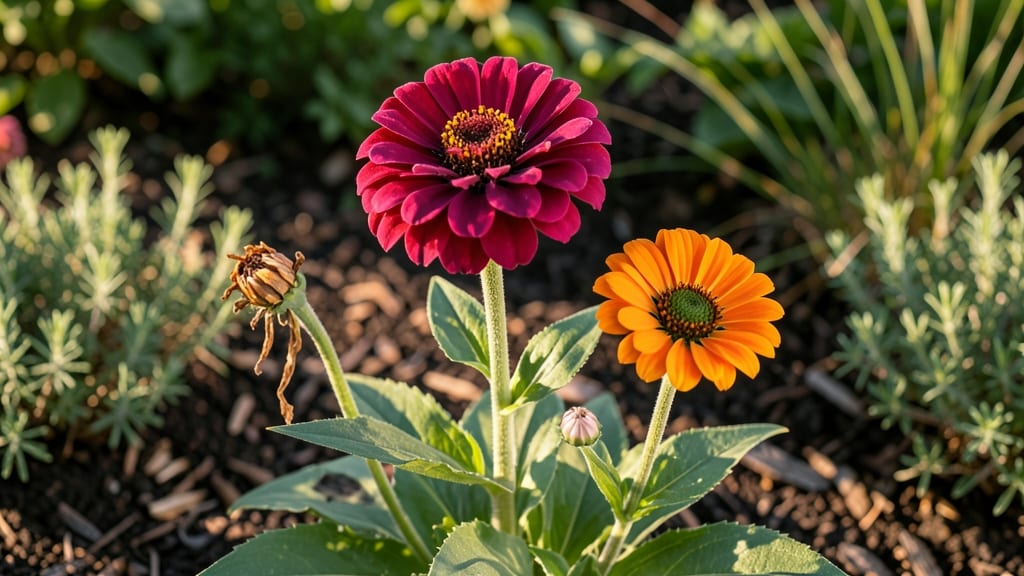
If you’ve ever wondered "how tall do zinnias grow?", the answer might surprise you—these cheerful 🌼 blooms can range from tiny tabletop accents to towering garden stars, all depending on the variety you choose.
Whether you’re cramming them into containers or lining up a bold border, knowing their mature height helps you plan for the perfect display.
Zinnias like Thumbelina stay compact at just 6–12 inches, making them ideal for window boxes or pollinator-friendly pots, while varieties like Benary’s Giant can stretch up to 4 feet, perfect for cutting arrangements or back-of-bed drama.
The key? Picking the right type for your space—and giving them the care they need to thrive.
Sunlight, soil, and even spacing play a huge role in how tall your zinnias grow. Too much shade or crowding can stunt their height, while proper nutrients and pruning encourage them to reach their full potential.
Ready to turn your garden into a colorful masterpiece? Let’s break down the heights by variety and how to support their growth.
From dwarf zinnias that fit snugly in small gardens to towering varieties that command attention, there’s a perfect height for every gardener’s vision. Whether you’re after bouquets, borders, or just a burst of summer color, understanding their growth habits ensures your zinnias shine—literally and figuratively.


Zinnia height ranges by variety: from dwarf to giant
Zinnias are one of the most versatile flowers in the garden, offering heights from tiny 6-inch mounds to towering 4-foot spikes. The variety you choose determines not just how tall your zinnias grow, but also their bushiness, bloom size, and ideal garden placement.
Whether you’re filling a window box or creating a dramatic back-of-bed display, selecting the right variety ensures your garden thrives.
For small spaces or containers, dwarf zinnias like 'Thumbelina' stay compact at just 6–12 inches tall, making them perfect for patio gardens or hanging baskets. These varieties also produce abundant small blooms that attract pollinators like bees and butterflies.
If you’re aiming for a pollinator-friendly border, semi-dwarf varieties like 'Crystal' or 'Ben Franklin' reach 1–2 feet tall while still staying manageable.
On the other end of the spectrum, tall zinnias like 'Benary’s Giant' can soar to 36–48 inches, creating a stunning vertical focal point in your garden. These varieties are ideal for cut flower arrangements or as a backdrop for shorter plants.
Even standard-height zinnias (like 'State Fair' or 'Profusion') typically grow 2–3 feet tall, offering a balance of height and bushiness that works well in mixed borders.
| Variety | Height Range | Growth Habit | Ideal Spacing |
|---|---|---|---|
| Thumbelina Series | 6–12 inches | Compact, bushy | 6–8 inches apart |
| Crystal Series | 1–2 feet | Semi-dwarf, bushy | 8–12 inches apart |
| Profusion Series | 2–3 feet | Bushy, prolific blooms | 10–12 inches apart |
| Benary’s Giant | 36–48 inches | Tall spikes, single blooms | 12–18 inches apart |
| State Fair | 2–3 feet | Bushy, double blooms | 10–12 inches apart |
When planning your garden, consider not just the height of mature zinnias, but also their width and spacing needs. Dwarf varieties like 'Thumbelina' can be planted as close as 6 inches apart, while towering 'Benary’s Giant' needs 18 inches of space to avoid overcrowding.
Overcrowding can lead to stunted growth, fewer blooms, and increased disease risk, so always follow spacing guidelines for healthy plants.
Another factor to consider is the bloom size and stem strength. Tall zinnias often have larger, showier blooms but may require staking or support to prevent flopping.
Varieties like 'Benary’s Giant' produce single, dinner-plate-sized blooms that are perfect for cutting, while dwarf varieties offer smaller but prolific blooms ideal for pollinators. If you’re growing zinnias for cut flowers, prioritize varieties with strong stems and large blooms, such as 'Persian Carpet' or 'Magellan'.
For container gardening, choose dwarf or semi-dwarf varieties to avoid overcrowding. A 5-gallon pot can comfortably hold 3–5 dwarf zinnias, while a 12-inch pot can accommodate 1–2 semi-dwarf plants.
If you’re using containers, ensure they have drainage holes and well-draining soil to prevent root rot, which can stunt growth and reduce bloom production.
In border plantings, mix heights for a layered, dynamic look. Place tall zinnias (3+ feet) at the back, medium varieties (1–2 feet) in the middle, and dwarf zinnias (6–12 inches) at the front.
This creates visual interest and ensures all plants get adequate sunlight and airflow. Pair zinnias with companion plants like marigolds, cosmos, or salvia to enhance pollinator activity and extend your garden’s blooming season.
If you’re unsure which variety to choose, start with a mix of heights to experiment with different looks. For example, plant 'Thumbelina' in the front for color, 'Profusion' in the middle for volume, and 'Benary’s Giant' in the back for height.
This approach gives you flexibility and visual appeal while allowing you to see which varieties thrive best in your specific climate and soil conditions.
Remember, zinnias are annuals
Zinnia height ranges by variety: from dwarf to giant
Zinnias are incredibly versatile, offering heights from just 6 inches to over 4 feet, making them perfect for any garden space. The variety you choose determines whether your zinnias will stay low and bushy or reach towering heights.
For small gardens or containers, dwarf varieties like 'Thumbelina' are ideal, while tall varieties like 'Benary’s Giant' add drama to the back of borders.
Understanding these height ranges helps you plan spacing, staking, and companion plants. For example, dwarf zinnias thrive in hanging baskets, while tall varieties need sturdy support to prevent flopping. Let’s break down the most popular types and their mature heights to help you pick the perfect fit for your garden.
| Variety | Height Range | Growth Habit | Ideal Spacing |
|---|---|---|---|
| Thumbelina Series | 6–12 inches | Compact, bushy | 6–8 inches apart |
| Crystal Series | 12–18 inches | Semi-dwarf, upright | 8–10 inches apart |
| Profusion Series | 12–18 inches | Bushy, prolific blooms | 8–10 inches apart |
| Benary’s Giant | 36–48 inches | Tall, spike-like | 12–18 inches apart |
| State Fair | 24–36 inches | Medium-tall, sturdy | 10–12 inches apart |
If you’re using zinnias for cut flowers, taller varieties like 'Benary’s Giant' or 'State Fair' provide long stems perfect for bouquets. Meanwhile, dwarf varieties like 'Thumbelina' are ideal for edging pathways or filling gaps in mixed borders.
Their compact size also makes them great for container gardening on patios or balconies.
For pollinator gardens, mix heights to create layers that attract bees and butterflies. Place tall zinnias at the back, medium varieties in the middle, and dwarf types at the front. This not only looks stunning but also supports local ecosystems by providing nectar at multiple levels.
When planting, always check the seed packet or plant tag for exact height expectations, as some varieties can vary slightly based on growing conditions. For example, Benary’s Giant might not reach its full 48-inch potential in partial shade, while 'Thumbelina' could stretch taller if overcrowded.
Pro tip: If you love the look of tall zinnias but have limited space, try pruning them back early in the season to encourage bushier growth. This works especially well for varieties like 'Crystal' or 'Profusion', which can become leggy without guidance.