
How To
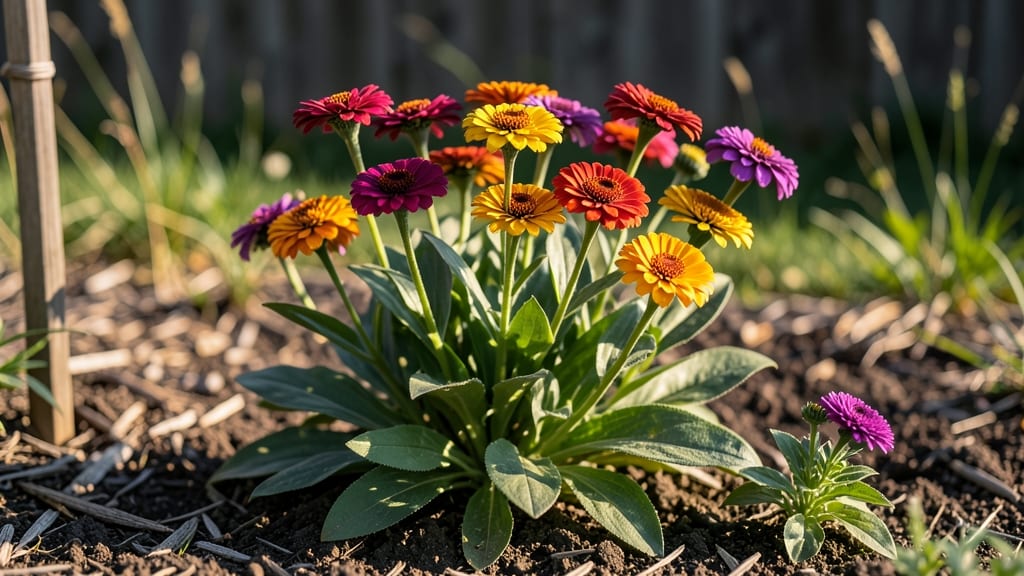
Wondering how tall does zinnias grow in your garden? These cheerful 🌸 blooms can range from tiny 6-inch wonders to towering 5-foot giants, depending on the variety you choose.
Whether you’re planning a vibrant border or a low-maintenance container garden, understanding their growth potential is key to creating the perfect display.
From the compact Thumbelina series that barely brushes your knee to the dramatic Benary’s Giant varieties reaching higher than a kitchen counter, zinnias offer something for every space. The right choice can transform your garden layout—adding height, texture, or a cascading effect that draws in pollinators all season long.
But height isn’t just about the variety—sunlight, soil quality, and even pruning habits play a role in how your zinnias will mature. With the right care, you can coax even dwarf varieties to reach their full potential or gently guide taller types to stay within bounds.
Let’s break down what to expect and how to get the most from your zinnias this growing season.
Ready to pick the perfect zinnias for your garden? I’ll walk you through the best options for your space, plus tips to keep them thriving from April planting all the way through October harvests. Your dream garden starts with the right height!


Zinnia height guide: tall vs short varieties explained
When planning your zinnia garden, knowing how tall these vibrant blooms will grow helps you create stunning visuals while maximizing space. Zinnias range from dwarf varieties perfect for containers to tall giants that reach eye level—sometimes even taller! The right choice depends on your garden style and available space.
Most zinnias fall into three height categories: dwarf (6–12 inches), medium (1–2 feet), or tall (2–5 feet). For example, the popular 'Thumbelina' series stays compact, while 'Benary’s Giant' can tower over your head.
Understanding these differences ensures your garden thrives with the perfect mix of heights and colors.
Here’s a quick comparison of the most popular zinnia varieties and their mature heights to help you plan:
| Variety | Height Range | Best For |
|---|---|---|
| 'Thumbelina' Series | 6–12 inches | Containers, borders, fairy gardens |
| 'Profusion' Series | 12–18 inches | Cut flowers, mass plantings, pollinator gardens |
| 'Crystal' Series | 18–24 inches | Back of borders, mixed beds |
| 'Benary’s Giant' | 36–48 inches | Cut flower arrangements, focal points |
| 'Magnolia' Series | 24–36 inches | Dried flowers, cottage gardens |
If you’re growing zinnias for cut flowers, taller varieties like 'Benary’s Giant' or 'Magnolia' are ideal because their sturdy stems hold up well in bouquets. For container gardens or small spaces, 'Thumbelina' or 'Profusion' varieties are perfect choices that won’t overwhelm your setup.
For pollinator gardens, medium-height zinnias like 'Crystal' or 'Profusion' attract butterflies and bees without blocking sunlight for shorter plants. Their height also makes them easy to spot and enjoy from a distance.
One of my favorite tricks is mixing heights in the same bed. For example, I plant 'Thumbelina' zinnias in the front for a burst of color, then add 'Crystal' zinnias in the middle, and top it off with 'Benary’s Giant' in the back.
This creates a layered look that’s both functional and visually stunning.
If you’re unsure which height to choose, consider your garden’s sunlight exposure. Taller zinnias often need more space between them to avoid shading out shorter varieties. Aim for 12–18 inches of spacing for medium-height zinnias and 18–24 inches for taller types to ensure they all thrive.
Finally, remember that zinnias are annuals, meaning they’ll grow from seed each year and reach their full height within 60–75 days. This quick growth makes them perfect for filling gaps in your garden or creating instant color.
With so many height options, zinnias offer endless possibilities for your garden design—whether you want a low-maintenance border, a cutting garden, or a pollinator paradise.
Zinnia height guide: tall vs short varieties explained
Zinnias are one of the most versatile annual flowers, offering a stunning range of heights that can transform your garden from a compact border to a dramatic backdrop.
Whether you're working with a small container or a sprawling backyard, understanding zinnia height variations is key to creating the perfect visual impact. Some varieties barely reach your knee at 6 inches, while others tower over you at 5 feet tall—let’s explore the spectrum!
If you're planning a garden layout that includes zinnias, knowing their mature heights helps you avoid overcrowding or underutilized space.
For example, dwarf zinnias like 'Thumbelina' create lush, low-growing displays perfect for front-of-border planting, while tall varieties like 'Benary’s Giant' make bold statements in back rows or cut-flower gardens. Let’s dive into the specifics so you can choose the perfect fit for your space.
| Variety | Height Range | Best For | Notes |
|---|---|---|---|
| Thumbelina Series | 6–12 inches | Containers, borders | Compact, great for pollinators |
| Profusion Series | 12–18 inches | Mass planting, cut flowers | Disease-resistant, long bloom |
| Crystal Series | 18–24 inches | Cutting gardens, borders | Large blooms, sturdy stems |
| Benary’s Giant | 36–48 inches | Back of borders, trellises | Classic, needs staking |
| Zahara Series | 24–36 inches | Cut flowers, bouquets | Long vase life, heat-tolerant |
When selecting zinnias for your garden, consider not just their height but also their growth habit.
For instance, 'Profusion' zinnias grow in bushy mounds, making them ideal for ground cover or container gardens, while 'Benary’s Giant' grows upright and benefits from staking or trellising to support its heavy blooms.
If you're short on space, dwarf varieties like 'Thumbelina' are perfect for window boxes or patio planters, adding vibrant color without overwhelming your layout.
Another factor to consider is the visual impact you want to achieve. Taller zinnias like 'Zahara' or 'Crystal' create stunning backdrop displays when planted behind shorter flowers like marigolds or salvias. Meanwhile, semi-dwarf varieties (18–24 inches) strike a balance, working well in mixed borders or cutting gardens.
Pro tip: Mix heights for a layered, textured look that draws the eye and adds depth to your garden design.
For gardeners with limited space, container gardening is an excellent way to enjoy zinnias without sacrificing height variety. Choose dwarf or semi-dwarf varieties for 5-gallon pots or larger, ensuring each plant has enough room to thrive.
If you're growing taller zinnias in containers, opt for deep planters (12+ inches) and use support stakes to prevent toppling. With the right variety and care, even a balcony garden can burst with colorful zinnia blooms!
Remember, zinnia height isn’t set in stone—proper care can influence growth. Providing full sun (6+ hours daily), well-draining soil, and regular deadheading encourages taller, more robust plants. Conversely, pinching back young plants promotes bushier growth, which can help control height in compact spaces.
Experiment with different varieties and care techniques to find the perfect balance for your garden’s unique needs.