
How To
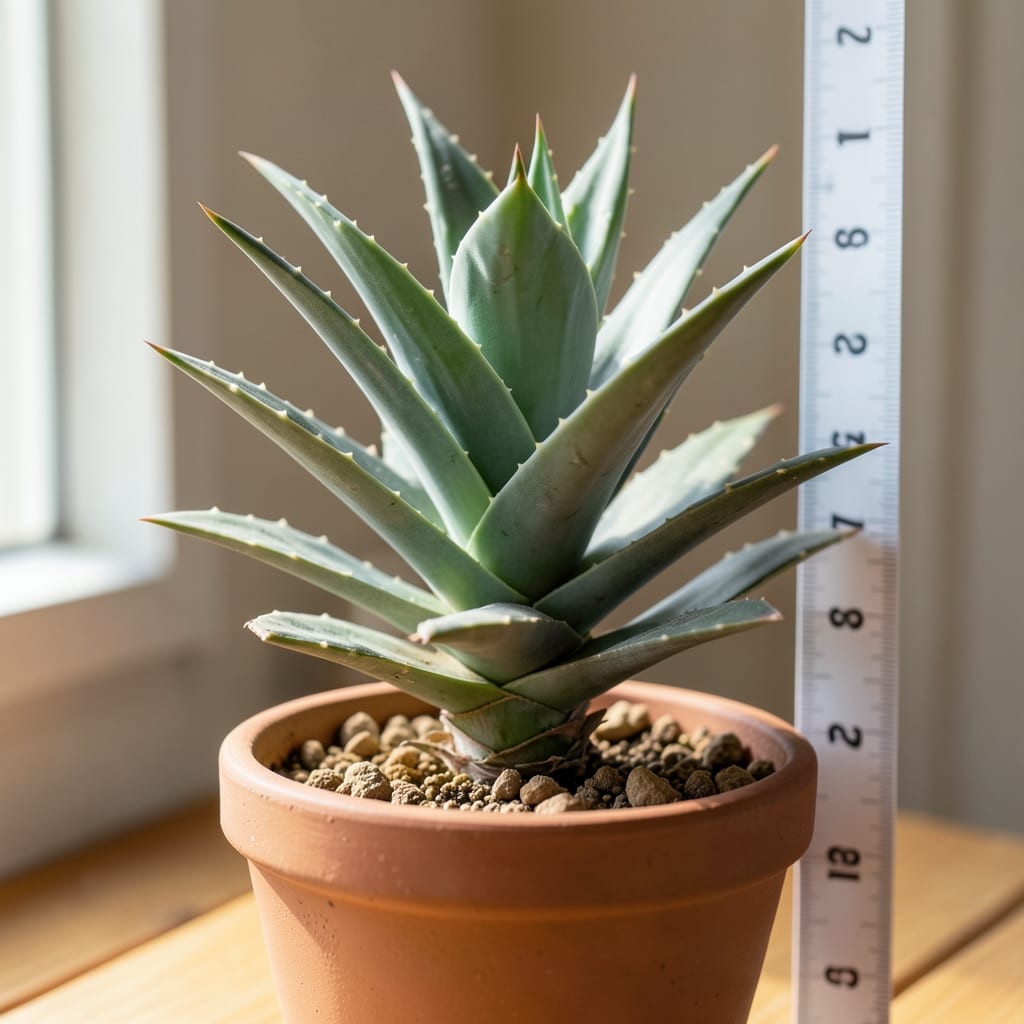
If you’ve ever wondered how tall can aloe vera grow in your home or garden, the answer might surprise you—especially if you’re used to seeing small potted plants. This hardy succulent can reach heights of 2 to 3 feet indoors and even stretch taller outdoors with the right care, making it a striking addition to any space.
But here’s the thing: many people unintentionally limit their aloe vera’s growth by overwatering, using the wrong soil, or not providing enough light. The good news? With just a few simple adjustments—like choosing the right pot, adjusting your watering schedule, or even a little pruning—you can help your plant thrive and reach its full potential.
Whether you’re growing aloe vera for its soothing gel, its decorative leaves, or just because it’s low-maintenance, understanding its growth habits is the key to keeping it healthy. I’ll walk you through everything you need to know, from variety-specific heights to practical tips for managing its size so it stays happy and lush.
Ready to unlock the secrets to a taller, healthier aloe vera? Let’s dive in and turn your plant-care game into a success story.


Aloe vera height by variety: from Dwarf to towering giants
Aloe vera’s height can vary dramatically depending on the variety and growing conditions. The most common type, Aloe barbadensis miller, typically reaches 2 to 3 feet tall indoors but can stretch to 3 to 4 feet outdoors with optimal care. This difference happens because outdoor plants receive more sunlight and space to spread their roots.
For those who prefer smaller plants, Aloe arborescens (also called the "tree aloe") grows even taller—often up to 6 feet in ideal conditions. Its thick, woody stems make it a stunning architectural plant, but it requires more space. If you’re working with limited room, this variety might not be the best fit unless you’re willing to prune it regularly.
Most gardeners grow Aloe barbadensis miller for its medicinal properties, and its compact size makes it perfect for kitchens or bathrooms. However, if you notice your aloe vera developing long, leggy stems, it’s likely stretching toward light—a clear sign it needs more bright, indirect sunlight or a larger pot to encourage balanced growth.
Here’s how to identify your aloe vera’s potential height: Look at the leaf thickness and stem thickness. Thicker leaves and stems usually indicate a plant with more growth potential. For example, a 2-inch-thick stem often means your aloe vera could reach closer to 3 feet, while thinner stems may stay closer to 2 feet.
| Variety | Indoor Height | Outdoor Height | Key Features |
|---|---|---|---|
| Aloe barbadensis miller | 2–3 ft | 3–4 ft | Thick, fleshy leaves; medicinal uses |
| Aloe arborescens | 3–5 ft | 6+ ft | Woody stems; architectural appeal |
| Aloe striata | 1–2 ft | 2–3 ft | Striped leaves; compact growth |
Note: Heights vary based on care, climate, and container size.
If you’re growing aloe vera in a container, its height will naturally be limited by the pot’s size. Aloe vera roots grow deep, so choose a pot that’s at least 12 inches deep to accommodate its needs. Shallow pots can restrict root growth, leading to stunted height and leggy stems. For outdoor planting, ensure the soil is well-draining and the area receives 6+ hours of sunlight daily to encourage full growth.
Another factor affecting height is temperature and humidity. Aloe vera thrives in USDA zones 8–11, where it can grow taller and more robustly. In cooler climates, growth slows, and the plant may stay shorter. If you live in a colder region, consider growing aloe vera in a sunroom or greenhouse during winter to maintain its health and encourage steady growth.
Pro tip: If your aloe vera starts to lean or develop uneven growth, it’s likely reaching for light. Rotate the pot every few weeks to ensure even exposure to sunlight. This simple habit helps your plant grow straight and strong, maximizing its height potential without legginess.
Finally, remember that pruning can influence height. Regularly removing mature leaves (especially those with brown tips) encourages new growth from the base, which can lead to a bushier, more compact plant. However, avoid over-pruning—this can stress the plant and slow its growth. Balance is key!
Now that you know what to expect from your aloe vera’s height, let’s explore how to prune it effectively to keep it at your desired size while promoting overall health. Stay tuned for my next tips on pruning secrets that’ll transform your aloe vera care routine.
Aloe vera height by variety: from Dwarf to towering giants
When I first brought home my aloe vera plant, I had no idea it could grow so tall—especially indoors! The most common variety, Aloe barbadensis miller, typically reaches 2 to 3 feet in height when mature, with leaves spanning 12 to 18 inches long. But here’s the kicker: outdoor plants in warm climates can stretch even taller, sometimes exceeding 3 feet, thanks to more sunlight and space.
If you’re wondering how tall can aloe vera grow in your specific setup, the answer depends on two key factors: variety and growing conditions. For example, Aloe arborescens (also called "tree aloe") can grow up to 10 feet tall outdoors, while Aloe vera stays more compact. Even within the same species, leaf thickness and stem development can hint at your plant’s growth potential.
| Variety | Height Range | Notes |
|---|---|---|
| Aloe barbadensis miller | 2–3 ft (indoors) | Most common; thick, gel-rich leaves |
| Aloe arborescens | 3–10 ft (outdoors) | Taller, tree-like; thrives in warm climates |
| Aloe striata | 1–2 ft (compact) | Dwarf variety; great for small spaces |
| Aloe vera 'Giant' (hybrid) | 3–4 ft (outdoors) | Larger leaves; needs full sun |
To predict your aloe vera’s growth, pay attention to its stem thickness and leaf arrangement. Thicker stems and rosettes that spread wider often signal a plant with higher growth potential. For instance, if your aloe vera develops a woody stem (a sign of maturity), it’s likely headed toward the taller end of the spectrum. Conversely, if it stays low and bushy, it may max out around 1 to 2 feet.
Another game-changer is light exposure. Aloe vera plants crave bright, indirect light—think 6+ hours of sunlight daily if growing outdoors. Without enough light, they’ll stretch toward the sun (a condition called etiolation), becoming leggy and weak. This not only stunts height but also reduces the quality of the gel inside the leaves. Pro tip: Rotate your pot quarter-turns every few weeks to encourage even growth.
Soil type plays a role too. Aloe vera thrives in well-draining, sandy soil with a pH between 6.0 and 7.5. Heavy or clay soil can suffocate roots, leading to stunted growth. If you’re growing in pots, choose containers with drainage holes and mix in perlite or cactus soil to mimic its natural habitat. Over time, this ensures your plant can focus its energy on growing taller and stronger, not struggling to breathe.
Lastly, don’t overlook the power of seasonal changes. In spring and summer, aloe vera enters its growth spurt phase, which is when you’ll see the most noticeable height increases. During these months, you might notice new leaves emerging at a faster rate. Conversely, in fall and winter, growth slows down, and the plant may even drop a few leaves. This is normal—just a sign it’s conserving energy for the next growing season.