
Plants
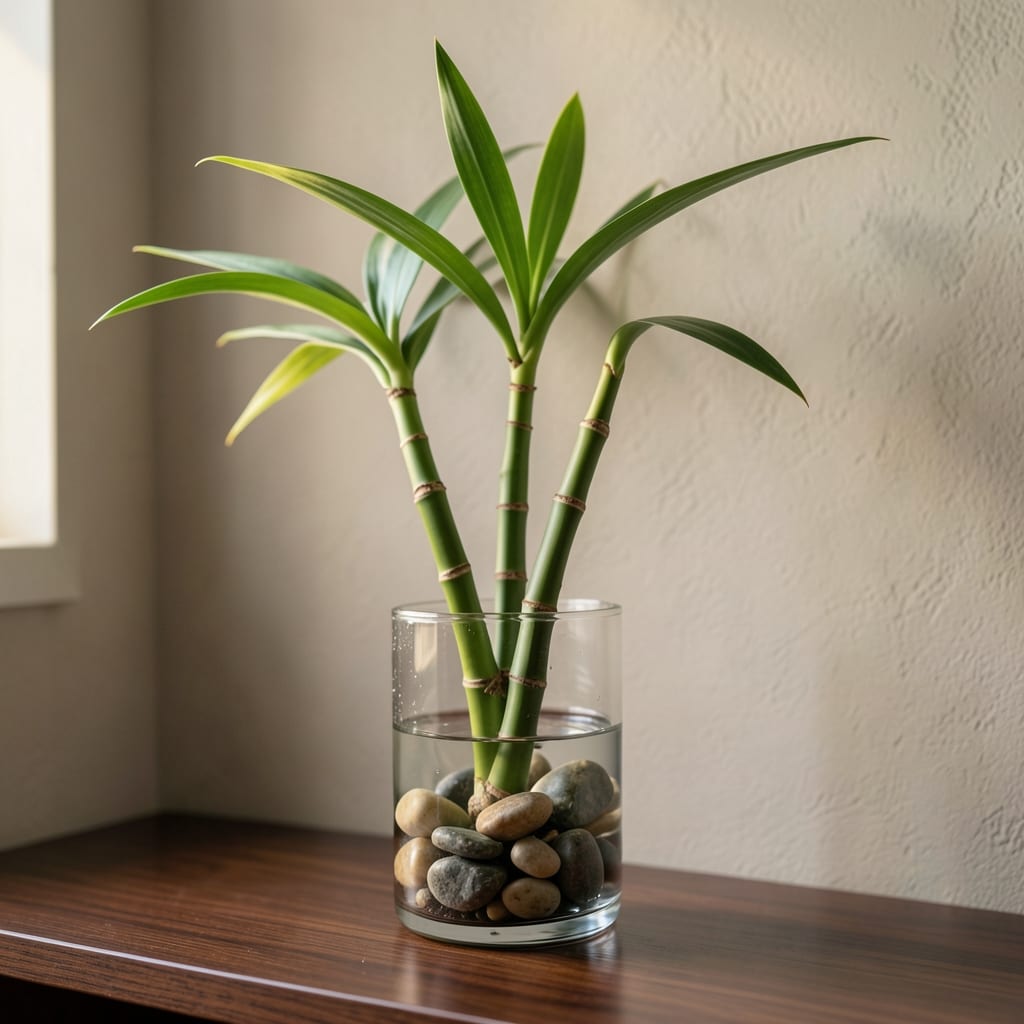
Wondering how tall can a bamboo plant grow before it turns your backyard into a jungle? The answer might surprise you—some varieties stay as short as 3 feet, while others shoot up to 100 feet or more, rivaling the height of a 10-story building! 🌿 Whether you're dreaming of a privacy screen or a delicate ornamental accent, choosing the right type is key to balancing beauty and control.
Not all bamboo is created equal. Running bamboo, like the towering Phyllostachys, spreads aggressively and can reach staggering heights, while clumping types like Bambusa stay more manageable. The difference between a serene garden feature and an unruly mess often comes down to species selection and proper care. Let’s break down what you need to know to pick the perfect height for your space.
If you’re worried about bamboo taking over, don’t be—with the right variety and a few smart strategies, you can enjoy its lush greenery without the chaos. From dwarf varieties perfect for containers to giants that thrive in large landscapes, there’s a bamboo for every garden goal. Ready to find out which one fits yours?
In this guide, we’ll explore the height ranges of popular species, how to control growth, and practical tips to keep your bamboo in check. Whether you’re a beginner or a seasoned gardener, you’ll leave knowing exactly how to harness bamboo’s potential—without losing control of your yard.


Bamboo growth heights by species: from dwarf to towering giants
When it comes to how tall can a bamboo plant grow, the answer depends entirely on the species you choose. Some varieties stay as short as 3 feet, making them perfect for containers or small gardens, while others can reach 100 feet or more, creating dramatic privacy screens or even small forests. The key difference lies in whether the bamboo is a running type (aggressive spreaders) or a clumping type (compact growers). Let’s explore the height ranges and growth habits of the most popular varieties.
Running bamboo, like Phyllostachys species, is known for its rapid vertical growth and expansive root system. These giants can shoot up to 60-100 feet in ideal conditions, making them ideal for large landscapes where height is a priority. On the other hand, clumping bamboo, such as Bambusa, grows in tight clusters and typically stays between 10-20 feet, offering a more manageable and controlled option for smaller spaces.
Here’s a quick comparison to help you visualize the differences. Whether you’re aiming for a privacy screen, a garden accent, or a container plant, there’s a bamboo variety that fits your needs—and your space.
| Variety | Height Range | Growth Habit | Spread Potential | Ideal Use |
|---|---|---|---|---|
| Phyllostachys bambusoides (Moso Bamboo) | 60-100 ft | Running | Aggressive (20+ ft/year) | Privacy screens, large landscapes |
| Bambusa multiplex (Dwarf Bamboo) | 3-8 ft | Clumping | Minimal (1-2 ft spread) | Containers, small gardens |
| Phyllostachys nigra (Black Bamboo) | 20-30 ft | Running | Moderate (10-15 ft/year) | Medium-sized yards, focal points |
| Bambusa vulgaris (Common Bamboo) | 40-60 ft | Running | Aggressive (15-20 ft/year) | Large properties, tropical gardens |
| Fargesia robusta (Robust Bamboo) | 8-12 ft | Clumping | Minimal (3-5 ft spread) | Woodland gardens, shade areas |
The Phyllostachys bambusoides, or Moso bamboo, is one of the fastest-growing species, capable of reaching 100 feet in just a few years under optimal conditions. This makes it a favorite for large-scale projects like windbreaks or privacy hedges. However, its aggressive growth means it requires careful containment, such as root barriers or regular pruning to keep it in check.
For smaller spaces, Bambusa multiplex (Dwarf Bamboo) is a game-changer. This clumping variety stays under 8 feet tall and spreads minimally, making it perfect for containers, patios, or small gardens. It’s also cold-hardy, thriving in USDA zones 7-10, which expands its versatility for gardeners in cooler climates.
If you’re looking for a medium-height option that still makes a statement, Phyllostachys nigra (Black Bamboo) is an excellent choice. It grows to 20-30 feet and has striking dark culms that add drama to any landscape. Unlike its taller cousins, it’s easier to manage in smaller yards, provided you monitor its spread.
Clumping bamboo like Fargesia robusta is ideal for woodland gardens or shaded areas. It reaches 8-12 feet and forms dense clusters, offering texture and privacy without the risk of spreading uncontrollably. This makes it a top pick for gardeners who want the look of bamboo without the maintenance headaches.
Understanding these height ranges and growth habits will help you select the perfect bamboo for your garden. Whether you’re aiming for a towering giant or a compact beauty, there’s a variety that will thrive in your space—without taking over it. 🌿
How to choose bamboo height for your garden space
Selecting the right bamboo height for your garden starts with understanding your space and goals. If you have a small yard or patio, dwarf varieties like Bambusa multiplex (3-8 ft) or Fargesia robusta (8-12 ft) are ideal—they stay contained and won’t overwhelm your area. For privacy screens or large landscapes, running types like Phyllostachys bambusoides (60-100 ft) deliver dramatic results but require careful planning to manage their spread.
Before planting, measure your space and consider mature height—not just the current size of the plant. A 10-foot-tall bamboo today could easily double in height within a few years! For example, Phyllostachys nigra (20-30 ft) might seem manageable now, but its culms can thicken and darken over time, creating a bold focal point that needs ample room.
Here’s how to match bamboo height to your needs. Whether you’re aiming for a cozy corner accent or a towering windbreak, the right variety can transform your garden without the chaos. Let’s break down the best options for different spaces and how to keep them in check.
🌱 Key Takeaways for Choosing Bamboo Height
- Small Gardens: Opt for Bambusa multiplex (3-8 ft) or Fargesia (8-12 ft) in containers for easy control.
- Medium Yards: Phyllostachys nigra (20-30 ft) adds drama with moderate height and minimal spread risks.
- Large Landscapes: Phyllostachys bambusoides (60-100 ft) excels for privacy screens but needs root barriers.
- Shaded Areas: Clumping Fargesia thrives in partial shade and stays under 12 ft.
- Cold Climates: Bambusa multiplex is hardy in USDA zones 7-10 and won’t outgrow small spaces.
Pro Tip: Always plant running bamboo 3-5 feet from barriers to contain its roots effectively.
If you’re planting bamboo near structures like patios or decks, stick to clumping varieties—they won’t send out aggressive runners that could damage foundations or sidewalks. For example, Bambusa vulgaris (40-60 ft) is stunning but best suited for large properties where its spread can be managed with deep root barriers. Even then, regular pruning will keep it from becoming unruly.
For container gardening, dwarf bamboo like Bambusa multiplex is a game-changer. Its compact size (3-8 ft) makes it perfect for balconies or porches, and its slow growth means you won’t need to repot frequently. Just ensure the container is at least 18 inches deep to accommodate its root system. Remember, even clumping bamboo needs room to grow—crowding can stress the plant and stunt its height.
Light and water needs also play a role in managing bamboo height. Most varieties thrive in partial shade to full sun, but running types like Phyllostachys grow fastest in sunny conditions. If you’re in a dry climate, opt for moisture-loving species like Bambusa multiplex, which tolerates occasional drought once established. Overwatering, however, can lead to weaker stems and slower growth—so always prioritize well-draining soil.
Finally, don’t forget about seasonal growth cycles. Bamboo grows most rapidly in spring and summer, so if you’re concerned about height, prune new shoots in early spring to redirect energy toward root development. With the right variety and care, you can enjoy bamboo’s beauty without sacrificing control over your garden’s layout. 🌿