
How To
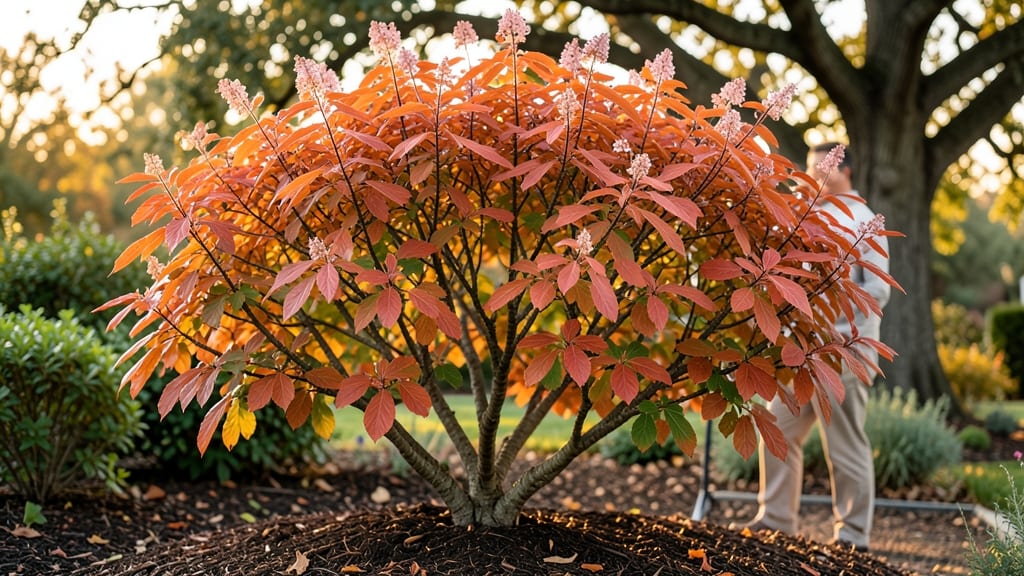
Wondering how tall does a burning bush grow before it takes over your yard? This striking 🌿 shrub can shoot up to 15 feet tall if left unchecked, but don’t let that scare you off—with the right care, you can keep it at a manageable height.
Whether you're working with a small garden or just want to control its spread, understanding its growth habits is key to keeping it looking its best.
The burning bush (Euonymus alatus) is a fast-growing shrub that typically reaches 6 to 15 feet in height when mature, depending on growing conditions. In ideal settings—like full sun and well-draining soil—it can grow even taller, but pruning in early spring helps steer its size.
For gardeners in USDA Zone 6a, this shrub thrives with minimal fuss, making it a favorite for adding vibrant fall color without the hassle.
If you're dreaming of a compact, easy-to-maintain shrub, don’t worry—there are ways to keep it under control. Pruning at the right time and choosing dwarf varieties can help you enjoy its beauty without sacrificing space.
Let’s dive into how you can manage its height and keep your garden looking neat and tidy.
From natural growth patterns to pruning tips, you’ll learn everything you need to know to keep your burning bush at the perfect height. Whether you're a seasoned gardener or just starting out, these tricks will help you create a stunning, space-friendly landscape.


Natural burning bush height: how tall it grows without pruning
The burning bush (Euonymus alatus) is a fast-growing shrub that can reach impressive heights when left unpruned. On average, it grows between 6 to 15 feet tall, depending on growing conditions.
In ideal settings with plenty of sunlight and rich soil, it can even exceed 15 feet, creating a striking vertical accent in your landscape.
In its first year, a burning bush typically grows just 1 to 2 feet, establishing a sturdy base. By year two, it can double in height, reaching 3 to 5 feet.
After three years, expect rapid growth, with mature bushes hitting 6 to 10 feet and continuing upward if unchecked. This growth rate makes it a favorite for quick privacy screens but can be overwhelming in small gardens.
Several factors influence its height, including sunlight exposure, soil quality, and climate conditions. In full sun, burning bushes grow taller and bushier, while partial shade can stunt their growth.
Well-draining, slightly acidic soil (pH 6.0–7.0) also encourages healthier, taller growth. In cooler climates, growth may slow slightly, but the plant remains hardy in USDA zones 4–8.
Regional variations play a role too. In the Northeast and Midwest, burning bushes often reach their full height of 10–15 feet due to longer growing seasons. Meanwhile, in southern states, they may grow slightly taller but require more frequent pruning to maintain shape.
Understanding these regional differences helps you set realistic expectations for your garden.
If you’re wondering how tall your burning bush will get, consider its growth rate and your local climate. In optimal conditions, it can add 1–2 feet per year until it matures. Without pruning, it will naturally spread its branches outward, creating a dense, rounded shape that can fill space quickly.
For gardeners with limited space, this rapid growth can feel daunting. However, knowing the plant’s natural tendencies allows you to plan accordingly. Whether you’re aiming for a privacy hedge or a focal point shrub, understanding its height potential is the first step in managing it effectively.
🌱 Burning Bush Growth Summary
| Stage | Height Range | Growth Rate | Notes |
|---|---|---|---|
| Year 1 | 1–2 ft | Slow | Establishes root system |
| Year 2 | 3–5 ft | Moderate | Branches begin filling out |
| Year 3+ | 6–15 ft | Fast | Mature height achieved |
| Regional Variations | 10–15 ft | Varies | Taller in warm climates |
If you’re planting a burning bush in a small garden, its natural height can feel restrictive. However, its adaptability means you can influence its growth with strategic pruning.
For example, if you prune it annually in late winter, you can keep it between 3 and 6 feet, making it perfect for borders or foundation plantings.
Another key consideration is its spread. Mature burning bushes can grow 8–12 feet wide, so spacing is crucial. Planting them 6–8 feet apart ensures they don’t crowd each other, even in larger gardens. In tight spaces, consider dwarf varieties or more aggressive pruning to maintain a tidy appearance.
For those who love the vibrant fall color of burning bushes, remember that pruning too late in the season can reduce next year’s foliage. Aim to prune in late winter or early spring before new growth begins.
This timing ensures you don’t cut off next season’s bright red berries and striking orange leaves.
Ultimately, the burning bush’s height is a balance between its natural growth habits and your gardening goals. Whether you’re aiming for a towering privacy screen or a compact accent plant, understanding its potential height helps you plan for success.
With the right approach, you can enjoy its beauty without sacrificing garden space.
Natural burning bush height: how tall it grows without pruning
Understanding the natural height of a burning bush (Euonymus alatus) is key to planning your garden layout. Left unpruned, this shrub typically reaches 6 to 15 feet tall, with a spread of 4 to 8 feet wide.
Its growth rate is impressive—expect 1 to 2 feet per year under ideal conditions, especially in full sun and well-draining soil.
The mature height can vary based on your USDA hardiness zone. In colder regions (zones 4–6), burning bushes may grow more slowly but still reach 8 to 12 feet.
Meanwhile, in warmer zones (7–9), they can surge toward 15 feet without intervention. This variability means your local climate plays a big role in how tall your bush will grow.
🌱 Burning Bush Growth Summary
| Stage | Height Range | Growth Rate |
|---|---|---|
| Year 1 | 1–2 ft | Slow |
| Year 2–3 | 3–5 ft | Moderate |
| Mature (5+ years) | 6–15 ft | Fast (if unpruned) |
Soil quality also impacts height. Rich, well-draining soil fuels faster growth, while poor or compacted soil can stunt it to 6 to 10 feet. If your garden has clay-heavy soil, consider amending it with compost to encourage healthier, but not necessarily taller, growth.
This is especially useful if you’re aiming to keep your burning bush on the shorter side.
Another factor is the sunlight exposure. Burning bushes thrive in full sun (6+ hours daily), which maximizes their height potential. In partial shade, they may only reach 5 to 8 feet.
If you’re planting in a shady spot, expect slower growth and a more compact form—ideal for smaller gardens.
Finally, the age of the plant matters. Young burning bushes grow quickly in their first few years, while older specimens slow down. By age 5, most reach their maximum height, making early pruning critical if you want to manage its size.
Without pruning, a 10-year-old burning bush could easily dominate your landscape.
For gardeners with limited space, these growth patterns highlight why regular pruning is essential. Even if your burning bush has the potential to tower over your yard, you can shape it into a 3 to 6 foot shrub with consistent care.
The next step? Learning the best pruning techniques to keep it in check.