
How To
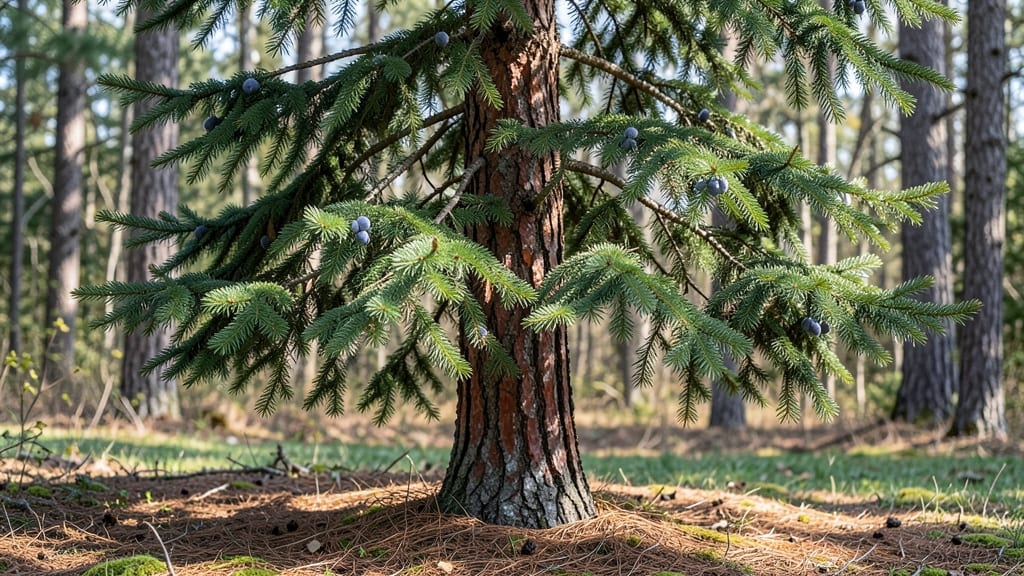
If you're wondering how tall does a cedar tree grow, the answer might surprise you—these majestic 🌲 cedar trees can range from modest shrubs to towering giants, depending on the species and growing conditions.
Picture this: a Deodar cedar reaching heights of 100 feet or more, while a compact Blue Atlas cedar stays around 30-40 feet. Whether you're planning a privacy screen or a statement piece, understanding these growth patterns is the key to making the right choice for your space.
Fast-growing varieties like the Leyland cypress-cedar hybrid can add 3-5 feet per year, while slower growers like the Eastern red cedar take decades to reach their full potential. The good news? With the right spacing and occasional pruning, you can manage even the tallest cedars to fit your landscape perfectly.
Ready to discover which cedar tree will thrive in your USDA Zone 6a climate and how to nurture it for maximum growth? Let's break down the fastest-growing options and the sky-high limits you can expect from these stunning evergreens.


Cedar tree height by species: from dwarf varieties to towering giants
Cedar trees are nature’s skyscrapers, with some varieties stretching toward the sky like ancient sentinels while others remain perfectly proportioned for smaller gardens. The height range varies dramatically depending on the species—from the compact 'Green Spire' at just 15 feet to the majestic Deodar Cedar soaring over 100 feet.
Understanding these differences helps you choose the perfect cedar for your space, whether you need a privacy screen or a focal point.
Most cedar trees fall into three height categories: dwarf (under 20 ft), medium (20–50 ft), and tall (50+ ft). The Eastern Red Cedar, a popular North American native, typically reaches 30–40 feet, making it ideal for medium-sized yards.
Meanwhile, the Atlas Cedar from Morocco can dwarf even the tallest two-story homes, growing 40–60 feet in ideal conditions. Your climate, soil quality, and available space will dictate which variety thrives best in your garden.
Here’s a quick snapshot of how cedar trees compare in height—because knowing the mature size before planting saves headaches (and pruning bills) later.
| Variety | Mature Height | Growth Rate | Notes |
|---|---|---|---|
| Eastern Red Cedar | 30–40 ft | 1–2 ft/year | Drought-resistant; great for wildlife |
| Atlas Cedar | 40–60 ft | 6–12 in/year | Cold-hardy; blue-green foliage |
| Deodar Cedar | 100+ ft | 2–3 ft/year | Slow-growing; needs space |
| Blue Atlas Cedar | 20–40 ft | 6 in–1 ft/year | Compact; silvery-blue needles |
| Green Spire Cedar | 15–20 ft | 4–6 in/year | Dwarf cultivar; narrow form |
The Eastern Red Cedar is a standout for its versatility—it thrives in USDA Zones 2–9 and tolerates poor soil, making it a low-maintenance choice for urban landscapes or wildlife gardens. Its blue-gray foliage and aromatic wood also make it a favorite for hedges and windbreaks.
If you’re short on space, the 'Green Spire' cultivar is a game-changer, offering all the cedar charm in a 15-foot package—perfect for small yards or container growing.
For those with ambitious visions, the Deodar Cedar is the undisputed king of height, often exceeding 100 feet in its native Himalayan habitat. Even in U.S. gardens, it can reach 60–80 feet with proper care.
However, its slow growth rate (just 2–3 feet per year) means it’s a long-term investment. If you’re planting one now, think ahead about future pruning or property line considerations—this isn’t a tree to plant willy-nilly!
Climate plays a huge role in how tall your cedar grows. In cooler, wetter regions like the Pacific Northwest, cedars often grow taller and fuller due to abundant moisture and mild winters.
Conversely, in hot, dry climates like Arizona or Texas, growth may be slower unless you provide extra irrigation during the first few years. Always check the USDA Zone hardiness for your specific cedar variety to avoid disappointment.
Soil drainage is another critical factor. Cedar trees hate soggy roots—they’re prone to root rot in waterlogged conditions. Amend heavy clay soil with compost or sand to improve drainage, and avoid planting in low-lying areas where water pools.
A well-drained, slightly acidic soil (pH 5.0–7.0) gives your cedar the best chance to reach its full genetic potential.
If you’re planting multiple cedars, spacing is key to prevent crowding and disease. For medium-sized varieties like the Eastern Red Cedar, space them 15–20 feet apart. Larger species like the Atlas Cedar need 30–40 feet of clearance to avoid competition for nutrients and sunlight.
Skimping on space now can lead to stunted growth or increased pruning needs later—neither of which is ideal for a low-maintenance tree.
Pro tip: Always buy cedar trees from reputable nurseries that specify the mature height of the variety you’re purchasing. Some "cedar" hybrids (like Leyland Cypress-C
Fastest-growing cedar trees: how quickly they reach mature height
If you’re eager to see your cedar tree grow tall quickly, some varieties will reward you with rapid height gains—up to 3 feet per year in ideal conditions. The key is choosing the right species for your climate and soil type, as growth rates can vary dramatically between cedar types.
For example, Leyland Cypress-Cedar hybrids like the Leyland Cypress (a popular mix of Monterey Cypress and Eastern Red Cedar) are known for their aggressive growth rates, often reaching 30–50 feet in just 10–15 years. These fast growers are perfect if you need a quick privacy screen or windbreak.
📌 Fastest-Growing Cedar Trees
- 1. Leyland Cypress – 3–4 ft/year (ideal for windbreaks)
- 2. Eastern Red Cedar – 1–2 ft/year (fast for native species)
- 3. Deodar Cedar – 2–3 ft/year (slower but majestic)
- 4. Atlas Cedar – 1–2 ft/year (drought-tolerant)
- 5. Green Giant Arborvitae – 3–5 ft/year (cedar-like hybrid)
To maximize growth, ensure your cedar tree gets full sun exposure (6+ hours daily) and well-draining soil. Avoid over-fertilizing, as cedars prefer lean soil. In my experience, young trees benefit from deep watering every 7–10 days during their first few years to establish strong roots.
Climate plays a huge role—Leyland Cypress thrives in USDA Zones 6–10, while Atlas Cedar prefers Zones 6–9 and handles drought better. If you live in a cooler region, opt for Eastern Red Cedar, which tolerates Zone 2–9 and grows steadily without fuss.
For fastest results, pair your cedar with mulch around the base to retain moisture and protect roots. Avoid compacting soil near the trunk, as cedars hate soggy feet. With the right care, you could see your tree hit 20 feet in just 5–7 years!
Remember, even fast growers need patience—pruning young cedars to encourage a single trunk will pay off in a straighter, taller tree down the road. 🌲