
How To
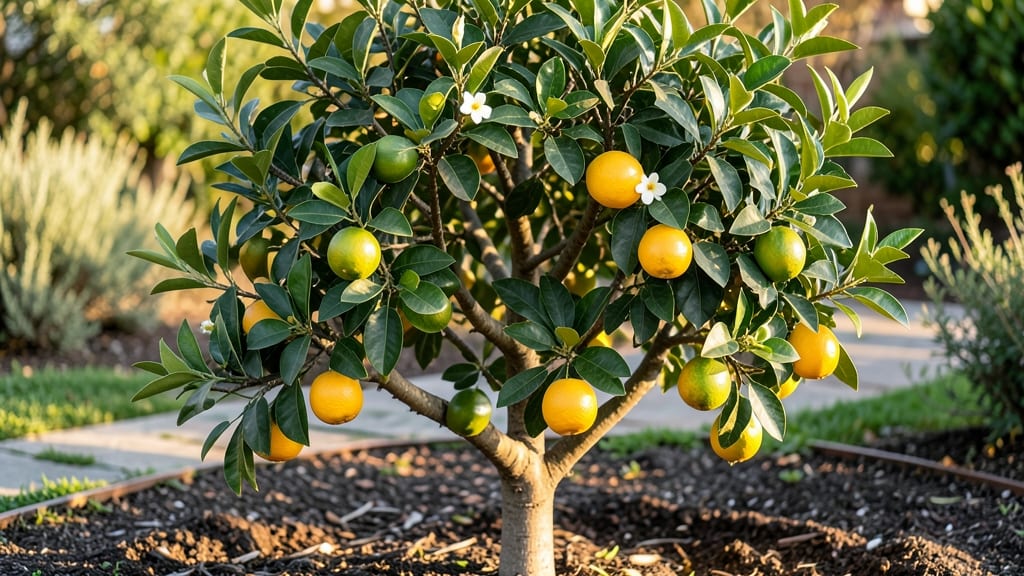
If you're dreaming of a backyard bursting with fresh 🍊 grapefruit trees, you might be wondering how tall a grapefruit tree can grow before it needs space to thrive.
The answer isn't one-size-fits-all—standard grapefruit trees can stretch skyward to 20-30 feet, while dwarf varieties stay compact at 6-12 feet, making them perfect for smaller yards or even container gardening.
Choosing the right size isn't just about aesthetics—it's about maximizing your harvest without sacrificing space. Whether you're working with a cozy urban patio or a sprawling rural plot, understanding these height differences is the first step to selecting the perfect tree for your needs.
Let's break down what you need to know to make the best choice.
The height of your grapefruit tree depends on more than just its variety—factors like pruning habits, climate, and even the type of rootstock used can dramatically influence its growth.
In warmer USDA Zones 9-11, these trees can grow even taller, while in cooler Zones 6-8, they may need extra care to reach their full potential.
Ready to find out which grapefruit tree size will work best for your space? We'll cover everything from dwarf varieties that fit snugly in containers to standard trees that need room to grow tall and proud. Let's get started!


Grapefruit tree height comparison: standard vs dwarf varieties explained
If you're dreaming of a backyard grapefruit tree but worried about space, you're not alone. A standard grapefruit tree can reach 20-30 feet tall, towering like a small tree in a tropical forest.
But don’t despair—dwarf varieties stay between 6-12 feet, making them perfect for smaller yards or containers. The right choice depends on your space, climate, and whether you prioritize convenience or maximum fruit yield.
Most standard grapefruit trees, like the popular 'White Marsh' or 'Ruby Red' varieties, grow aggressively when planted in the ground. These trees thrive in warm climates (USDA Zones 9-11) and can develop a sprawling canopy, requiring regular pruning to manage height.
In contrast, dwarf grapefruit trees are grafted onto specialized rootstock that restricts their growth, keeping them compact and easier to maintain.
Here’s how the two types compare in terms of height, growth rate, and care requirements:
| Type | Mature Height | Growth Rate (First 3 Years) | Best For | Pruning Needs |
|---|---|---|---|---|
| Standard Grapefruit Tree | 20–30 ft | 3–5 ft/year | Large yards, in-ground planting | High (annual pruning) |
| Dwarf Grapefruit Tree | 6–12 ft | 2–3 ft/year | Containers, small yards, urban gardens | Moderate (light pruning) |
| Semi-Dwarf (e.g., 'Foster Improved') | 12–18 ft | 2.5–4 ft/year | Medium yards, patio planting | Moderate (seasonal pruning) |
A standard grapefruit tree may seem daunting, but its height is manageable with proper pruning techniques. For example, the 'Ruby Red' variety can be trained into a more compact shape using open-center pruning, where you remove central branches to encourage a bushier, wider form.
This method reduces vertical growth while increasing fruit accessibility. Meanwhile, dwarf varieties like 'Oroblanco' (a sweet grapefruit hybrid) are ideal for containers, allowing you to move them indoors during winter in colder climates.
One common misconception is that dwarf trees produce fewer fruits. In reality, their fruit yield per square foot is often higher because their energy is focused on fewer, larger branches.
For example, a 6-foot dwarf tree can produce 50-100 grapefruits per year, while a 25-foot standard tree might yield 200-300 fruits—but only if you have the space and resources to care for it.
If you’re in a cooler climate (USDA Zones 6-8), opt for a dwarf variety and plant it in a large container that you can roll indoors during frost.
Even in these zones, dwarf trees can thrive with adequate sunlight and winter protection, like wrapping the pot in burlap or moving it to a garage. Standard trees, on the other hand, are best suited for frost-free zones where they can grow unobstructed.
For urban gardeners, a dwarf grapefruit tree is a game-changer. Imagine harvesting fresh grapefruits from a 5-gallon container on your balcony! Just ensure the container is at least 18 inches deep and has drainage holes.
Use a well-draining citrus potting mix and fertilize every 4-6 weeks during the growing season to keep the tree healthy and productive.
No matter which type you choose, remember that pruning plays a crucial role in managing height. Regular pruning not only controls the tree’s size but also improves air circulation, reducing the risk of fungal diseases like citrus canker.
Aim to prune in late winter or early spring, before new growth begins, and always use sterilized pruning shears to prevent the spread of disease.
🌱
Grapefruit tree height comparison: standard vs dwarf varieties explained
If you're dreaming of homegrown grapefruits but worried about space, you're not alone. Standard grapefruit trees can reach 20-30 feet tall, making them impractical for small yards. However, dwarf varieties offer a more manageable 6-12 feet height while still producing sweet, juicy fruit.
The key difference lies in their rootstock—dwarf trees grow on special rootstock that naturally limits their height.
For example, the popular 'Ruby Red' grapefruit typically grows 15-25 feet as a standard tree but only 8-12 feet when grafted onto dwarfing rootstock. Similarly, the 'White Marsh' variety follows the same pattern, making it easier to fit into urban landscapes or containers.
Understanding these height differences helps you choose the perfect tree for your space.
| Variety | Height (Standard) | Height (Dwarf) | Growth Rate |
|---|---|---|---|
| Ruby Red | 20-25 ft | 8-12 ft | Moderate (1-2 ft/year) |
| White Marsh | 18-22 ft | 7-10 ft | Slow (1 ft/year) |
| Oroblanco | 25-30 ft | 10-14 ft | Fast (2 ft/year) |
Dwarf grapefruit trees take 3-5 years to bear fruit, while standard trees may take 5-7 years. This delay is worth it for their compact size, especially if you're growing in containers or have limited space.
Just remember, even dwarf varieties need proper care—like full sun and well-draining soil—to reach their full potential.
Pruning plays a crucial role in managing height, even with dwarf varieties. Regular pruning not only keeps the tree at a desirable height but also improves airflow and fruit production. For standard trees, pruning is essential to prevent them from becoming unmanageable and to encourage a stronger structure.
If you're in USDA Zones 9-11, where grapefruit trees thrive, you can enjoy year-round growth. In cooler zones (6-8), choose cold-hardy varieties and protect young trees from frost. With the right variety and care, you can enjoy fresh grapefruits without sacrificing your garden's layout.
Whether you choose a towering standard tree or a compact dwarf, the key is selecting the right type for your space and climate. This ensures you'll have a productive tree that fits seamlessly into your garden or patio.