
How To
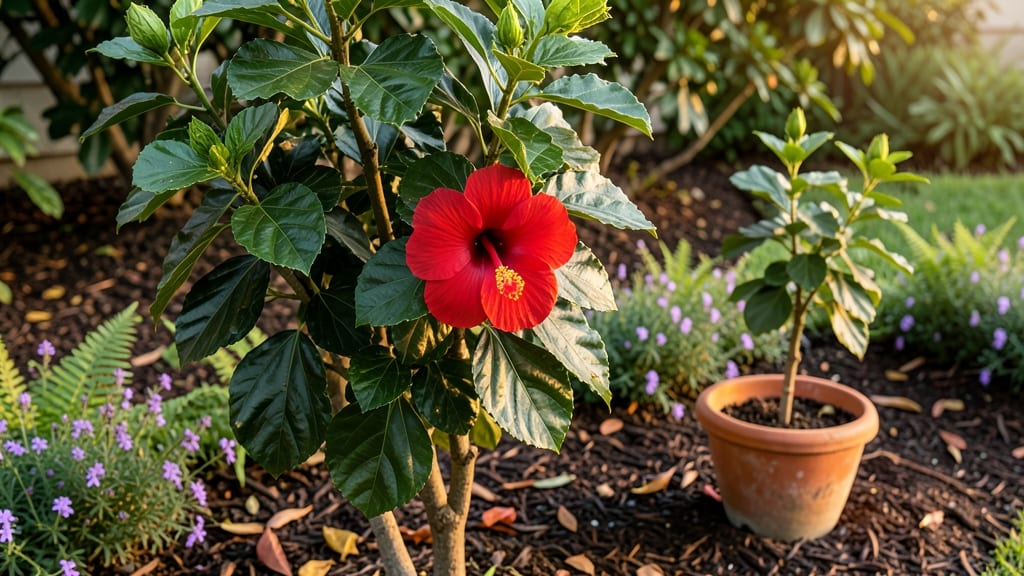
Wondering how tall does a hibiscus grow before it outgrows your garden? These stunning 🌸 plants can range from compact shrubs to towering small trees, and knowing their potential height helps you plan your space wisely.
Tropical hibiscus varieties like Hibiscus rosa-sinensis often reach 10-15 feet at maturity, while hardy hibiscus (Hibiscus moscheutos) typically stay between 5-8 feet. The good news? Dwarf varieties keep things manageable at just 3-5 feet, perfect for containers or small yards.
Your hibiscus's height depends on more than just genetics—sunlight, pruning habits, and soil quality all play a role. With the right care, you can guide even fast-growing varieties to stay within your desired space while keeping those vibrant blooms coming.
Let's explore how to choose the perfect hibiscus for your garden, whether you're working with limited space or dreaming of a dramatic backyard focal point. You'll learn exactly how to control growth and create a thriving display that fits your layout.


Hibiscus plant heights by variety: from dwarf to tree-sized
Hibiscus plants come in a stunning array of sizes, from compact dwarf varieties perfect for containers to tree-sized tropical giants that dominate backyard landscapes. The height of your hibiscus depends largely on its variety—whether you choose a hardy hibiscus for colder climates or a tropical hibiscus for warmer regions.
Understanding these differences helps you plan your garden layout and choose the right variety for your space.
For example, Hibiscus syriacus (commonly called rose of Sharon) typically reaches 6 to 12 feet tall at maturity, making it ideal for hedges or privacy screens. Meanwhile, Hibiscus rosa-sinensis, the classic tropical hibiscus, can grow anywhere from 5 to 15 feet tall depending on growing conditions and pruning habits.
Even within these categories, dwarf varieties like ‘Little John’ stay under 3 feet tall, perfect for patio pots or small gardens.
Here’s a quick comparison to visualize the range: a standard hibiscus might tower over your mailbox, while a dwarf hibiscus stays at about knee height. Knowing these dimensions helps you avoid overcrowding and ensures your hibiscus has room to thrive without competing with other plants for sunlight or nutrients.
🌸
If you’re growing hibiscus in containers or small spaces, opt for dwarf or semi-dwarf varieties like 'Little John' or 'Dwarf Red'. These stay manageable while still delivering stunning blooms throughout the growing season.
For larger gardens or tropical climates, standard hibiscus varieties like 'Hibiscus rosa-sinensis' can become the star of your landscape, but they’ll need regular pruning to control their height and shape.
Climate also plays a role in height. Hardy hibiscus varieties, like 'Hibiscus syriacus', thrive in USDA zones 5–9 and often grow taller in cooler climates where they enter dormancy in winter.
In contrast, tropical hibiscus varieties grow year-round in zones 10–11 and can reach their maximum height more quickly due to warmer temperatures and longer growing seasons.
For gardeners in small urban spaces, consider container-growing hibiscus. Even standard varieties can be pruned aggressively to stay under 5 feet tall if you top them back in early spring.
Just ensure your container is at least 15–20 gallons to accommodate root growth, and use well-draining soil mixed with compost to keep your hibiscus healthy and blooming.
Pruning is key to managing height. Annual pruning in late winter or early spring encourages bushier growth and prevents legginess. For fast-growing varieties, you might need to prune twice a year—once in spring to shape the plant and again in summer to remove spent blooms and encourage new flowers.
Always use sterilized pruners to avoid spreading disease, and never cut more than one-third of the plant's height at once.
🌿
Another factor influencing height is sunlight. Hibiscus plants require full sun (6+ hours daily) to reach their potential size. In shadier conditions, growth may be slower, and plants could become leggy
Hibiscus plant heights by variety: from dwarf to tree-sized
Hibiscus plants come in a stunning range of heights, from dwarf varieties perfect for containers to tree-sized giants that dominate landscapes. Understanding these differences helps you plan your garden layout and choose the right variety for your space.
Tropical hibiscus, like Hibiscus rosa-sinensis, often reach 10-15 feet tall, while hardy hibiscus varieties stay shorter, typically between 3-6 feet. The key is matching your garden’s size and sunlight conditions to the hibiscus’s natural growth habit.
For small gardens or patios, dwarf hibiscus varieties like 'Pinks' or 'Lime Green' are ideal—they top out at just 3-5 feet while still producing vibrant blooms. These compact plants thrive in 10-15 gallon containers, making them perfect for balconies or courtyard gardens.
If you’re working with limited space, these varieties won’t overwhelm your layout while still delivering that classic hibiscus charm.
| Variety | Mature Height | Growth Habit | Best For |
|---|---|---|---|
| Dwarf Hibiscus | 3-5 ft | Compact, bushy | Containers, small gardens |
| Hardy Hibiscus | 5-8 ft | Upright, spreading | Borders, cottage gardens |
| Tropical Hibiscus | 8-15 ft | Tree-like, fast-growing | Large gardens, tropical landscapes |
If you’re growing hibiscus in USDA Zones 5-9, hardy varieties like Hibiscus moscheutos (swamp hibiscus) are excellent choices, reaching 5-8 feet tall with dramatic blooms. These plants thrive in moist, well-draining soil and partial shade, making them versatile for both sunny borders and woodland gardens.
Their height makes them great for adding vertical interest without overwhelming smaller spaces.
For those in warmer climates (Zones 10-11), tropical hibiscus varieties like 'Lord Baltimore' or 'Disco Belle' can grow 10-15 feet tall if left unpruned. These varieties need full sun and regular pruning to control their size and encourage bushier growth.
Without pruning, they can become leggy and woody, so plan for annual pruning sessions in late winter or early spring to maintain their shape and promote abundant blooms.
Even within a single variety, growth habits can vary based on pruning frequency and soil conditions. For example, a Hibiscus rosa-sinensis grown in poor soil may stay shorter and less vigorous, while the same plant in rich, fertile soil with regular feeding can reach its full height potential.
Always amend your soil with compost or organic matter to support healthy growth and vibrant blooms.
When planning your garden, consider not just the hibiscus’s mature height but also its spread. Some varieties, like 'Lime Green', grow wider than they do tall, while others, like 'Copper King', have a more upright form.
This distinction helps you avoid overcrowding and ensures each plant has enough space to thrive without competing for sunlight or nutrients.