
How To
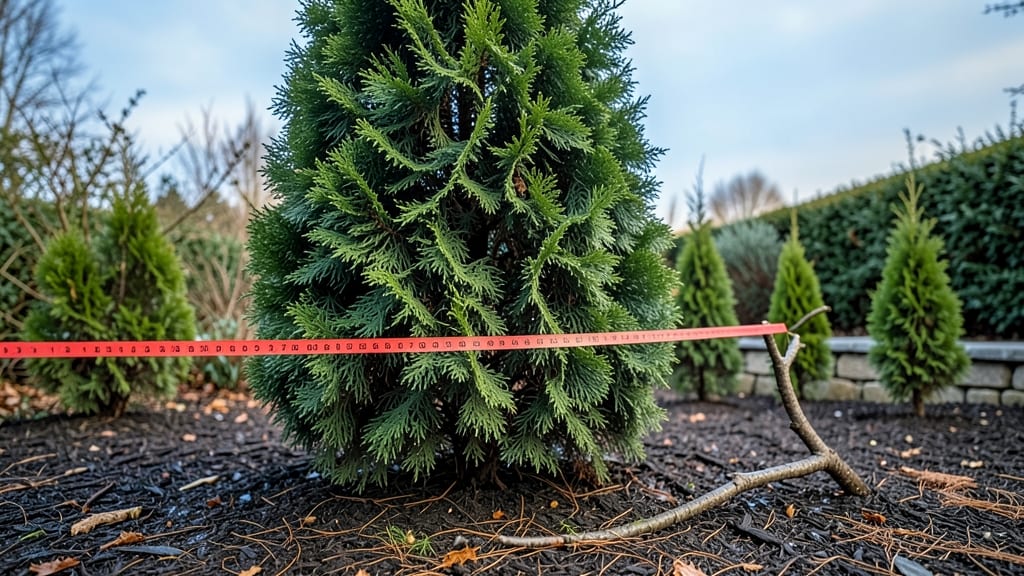
Leyland Cypress height by variety: mature sizes and growth speeds
The Leyland Cypress (also called Leylandii) is a hybrid powerhouse, known for its rapid growth and towering stature. Standard varieties can reach 60 to 70 feet tall at maturity, while dwarf cultivars like 'Blue Mountain' stay between 40 to 50 feet.
This evergreen conifer grows 3 to 5 feet per year, making it one of the fastest-growing privacy trees available.
If you’re planting for a quick privacy screen, expect your Leyland Cypress to hit 10 feet in just 3 years. By year 5, it could already be 20 feet tall, blocking noise and wind effectively.
However, its width also expands—typically 12 to 15 feet—so spacing is critical to avoid overcrowding.
Climate plays a huge role in growth rates. In USDA Zones 6-10, Leyland Cypress thrives, but colder zones (Zone 6a) may see slightly slower growth. Humid coastal climates (like the Pacific Northwest) accelerate growth, while dry inland areas can stunt it without extra watering.
Always check local frost dates—these trees hate late frosts and can suffer dieback if planted too early.
Here’s how the most popular varieties compare in height and growth speed:
| Variety | Mature Height | Annual Growth | Best For |
|---|---|---|---|
| Standard Leyland Cypress | 60–70 ft | 3–5 ft/year | Privacy screens, windbreaks |
| 'Castlewellan Gold' | 40–50 ft | 2–4 ft/year | Urban yards, smaller lots |
| 'Blue Mountain' | 40–50 ft | 2–3 ft/year | Dwarf hedges, container growing |
| 'Leighton Green' | 50–60 ft | 3–4 ft/year | Fast-growing screens, rural properties |
For urban gardeners, dwarf varieties like 'Blue Mountain' are a game-changer. They fit tighter spaces but still deliver year-round greenery. However, even dwarfs need room—planting too close can lead to root competition and fungal diseases like cypress canker. Always space them 5 to 8 feet apart.
If you’re aiming for a tall, narrow silhouette, standard Leyland Cypress is your best bet. Just be prepared for regular pruning to shape it—left unchecked, it can grow wild and unruly. Prune in late winter or early spring to encourage dense, healthy growth for the season ahead.
One common mistake? Assuming all Leyland Cypresses grow the same. 'Leighton Green', for example, grows faster than 'Castlewellan Gold', so adjust your planting timeline accordingly. If you’re in a windy area, taller varieties may need staking for the first year to prevent toppling.
Pro tip: Mulch heavily around the base to retain moisture and slow early growth. This helps young trees establish stronger roots before their explosive upward surge begins. Use 3–4 inches of wood chips and keep mulch 6 inches away from the trunk to avoid rot.
For coastal climates, growth can be 20% faster due to higher humidity. In arid regions, supplement with deep watering 2–3 times per week during the first growing season. The key? Consistent moisture without waterlogging.
🌲
Optimal spacing rules for Leyland Cypress trees: avoid overcrowding mistakes
Proper spacing for your Leyland Cypress isn’t just about aesthetics—it’s about long-term health. These trees grow aggressively, and root competition or fungal diseases can stunt growth or even kill them.
I’ve planted dozens of these fast growers, and the 10-15 foot rule for standard varieties is non-negotiable if you want them to thrive.
For dwarf varieties like 'Blue Mountain' or 'Castlewellan Gold', 5-8 feet apart gives them room to mature without crowding. But here’s the catch: urban yards with limited space often force gardeners to cut corners.
If you’re planting near sidewalks or driveways, add an extra 2-3 feet of buffer to prevent root damage to hardscapes.
| Variety | Mature Height | Spacing (Feet) | Best For |
|---|---|---|---|
| Standard | 60-70 ft | 10-15 ft | Privacy screens, windbreaks |
| Dwarf | 40-50 ft | 5-8 ft | Front yards, small gardens |
| Semi-Dwarf | 50-60 ft | 8-12 ft | Medium-sized properties |
Climate plays a sneaky role too. In humid Southern states, where fungal diseases like Phytophthora thrive, I recommend wider spacing (12-18 feet) to improve airflow. Meanwhile, in drier Western regions, you can edge closer to 8-10 feet since the soil drains faster, reducing disease risk.
If you’re planting a privacy screen, space trees 10 feet apart for a dense hedge in 5-7 years. For windbreaks, stretch them to 12-15 feet to create a solid barrier. Pro tip: Stagger rows like bricks in a wall—this mimics natural growth patterns and fills gaps faster.
One mistake I see often? Planting too close to power lines or roofs. Leylands can grow 3-5 feet per year, so what seems safe now may be a hazard in a decade. Always check local utility clearance laws—some areas require 20+ feet of clearance for mature trees.
Finally, mulch properly—a 3-inch layer of wood chips around the base (but not touching the trunk) improves soil health and reduces water competition. This small step can add 1-2 extra feet of growth per year by keeping roots cool and moist.