
How To
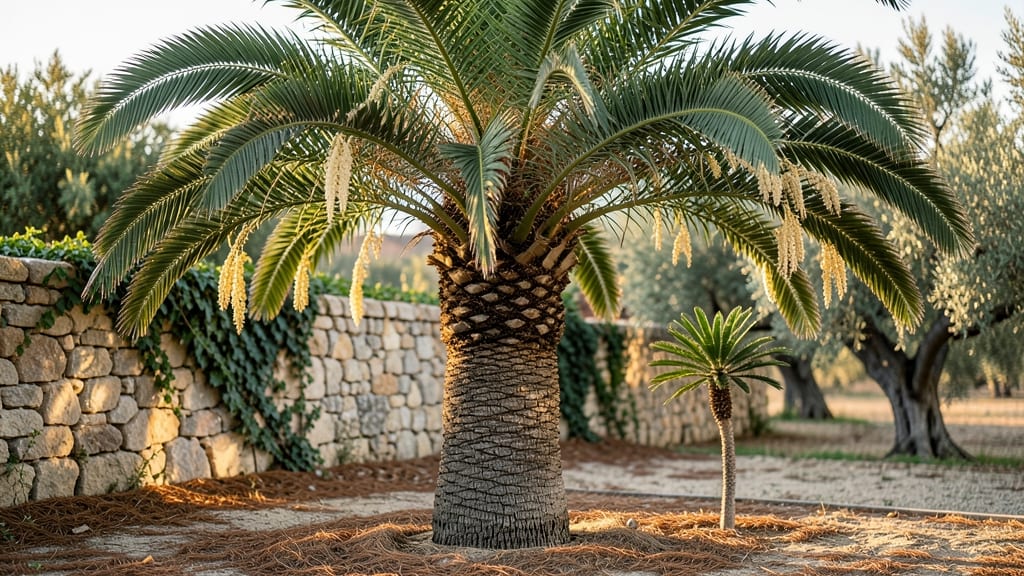
If you’ve ever wondered how tall does a palm tree grow, the answer might surprise you—some tower like skyscrapers while others stay small enough for city patios.
Whether you’re planning a backyard oasis or just curious about your local 🌴 varieties, knowing the height range of different species is key to picking the right one for your space.
The truth is, palm trees vary wildly in size. Dwarf varieties like the Pygmy Date Palm max out around 10 feet, making them perfect for containers or tight urban gardens.
On the other end of the spectrum, giants like the Canary Island Date Palm can reach 60–100 feet—taller than a three-story building!
Climate also plays a huge role, with warmer zones like Zone 11 allowing palms to grow to their full potential, while cooler areas in Zone 6a may stunt their growth.
But it’s not just about height—it’s about the right conditions. Sunlight, soil, and water all impact how tall (or short) your palm will become. Some species, like the Mediterranean Fan Palm, thrive in Zone 8–11 and grow steadily, while others need extra care to avoid stunted growth.
If you’re dreaming of a tropical vibe in your yard, understanding these factors will help you choose a palm that fits your space and your climate.
Ready to find your perfect match? I’ll break down the tallest and shortest palm species, how climate affects their growth, and pro tips to help yours reach its full potential—no matter where you live.


Palm tree height by species: from dwarf varieties to skyscraper giants
When I first spotted a Canary Island Date Palm towering over my neighbor’s driveway, I couldn’t believe it reached 60 feet tall—that’s taller than a three-story building! But not all palms grow that massive.
Some, like the Pygmy Date Palm, stay cozy at just 8-15 feet, perfect for patios or small yards. The key? Species selection and understanding each palm’s natural growth potential.
Palm trees grow at wildly different rates based on their genetics, climate, and care. For example, the Coconut Palm (Cocos nucifera) can shoot up to 100 feet in tropical climates, while the Mediterranean Fan Palm (Chamaerops humilis) maxes out around 15-20 feet—ideal for Mediterranean-style gardens.
Even within the same species, container-grown palms stay shorter than their in-ground cousins.
Here’s the breakdown of mature palm tree heights by category, so you can pick the perfect fit for your space:
| Palm Species | Mature Height Range | Growth Rate | Ideal Climate Zones |
|---|---|---|---|
| Canary Island Date Palm (Phoenix canariensis) | 40-60 ft | Slow to moderate (1-2 ft/year) | USDA Zones 9-11 |
| Coconut Palm (Cocos nucifera) | 60-100 ft | Fast (3-5 ft/year) | USDA Zones 10-11 (tropical) |
| Pygmy Date Palm (Phoenix roebelenii) | 8-15 ft | Slow (6-12 in/year) | USDA Zones 9-11 (container-friendly) |
| Mexican Fan Palm (Washingtonia robusta) | 50-75 ft | Moderate (2-3 ft/year) | USDA Zones 9-11 |
| Mediterranean Fan Palm (Chamaerops humilis) | 10-20 ft | Slow (4-8 in/year) | USDA Zones 7-11 (cold-hardy) |
| California Fan Palm (Washingtonia filifera) | 30-50 ft | Moderate (1-2 ft/year) | USDA Zones 8-11 |
| Dwarf Palmetto (Sabal minor) | 6-12 ft | Very slow (3-6 in/year) | USDA Zones 7-11 |
If you’re working with limited space, dwarf palms like the Pygmy Date Palm or Dwarf Palmetto are game-changers. They fit perfectly in containers, courtyards, or small urban gardens without dominating your landscape.
Meanwhile, the tallest palms (Coconut, Mexican Fan) need ample room—think backyard borders or park settings—and may require regular pruning to manage their height and fronds.
Pro tip: Always check a palm’s growth rate before planting. A Coconut Palm can add 5 feet per year in ideal conditions, while a Mediterranean Fan Palm might only grow 6 inches annually. Plan accordingly to avoid outgrowing your space!
For container growers, remember that root-bound palms grow slower and stay shorter. If you’re aiming for a tall, tropical look in a pot, choose a fast-growing species like the Areca Palm (up to 20 ft in containers) and repot every 2-3 years to encourage vertical growth.
One more thing: Pruning height is a myth for most palms. Unlike trees, you can’t "trim" a palm to stay short—its height is determined by genetics and care. The only exception? Removing dead fronds to keep the tree looking tidy, but this won’t stunt growth.
If you see a palm growing lopsided or stunted, it’s usually a sign of poor soil, pests, or water stress—not pruning.
Ready to pick your perfect palm? Start by matching your climate zone and available space to the right species. Need help narrowing it down? The next section dives into how USDA zones can make or break your palm’s height potential—so you don’t end up with a sad, stunted tropical giant!
How climate zones affect palm tree growth height and survival
Your USDA hardiness zone plays a bigger role in palm tree height than you might think. While tropical species like the Cocos nucifera (coconut palm) can soar to 100+ feet in ideal conditions, colder zones like Zone 8 or 9 often stunt their growth—or worse, kill them entirely.
The right climate doesn’t just determine if a palm thrives; it dictates whether it’ll stay a compact 10-foot shrub or a towering 50-foot giant.
For example, the Canary Island Date Palm (Phoenix canariensis), a 60-80-foot powerhouse in Zone 10-11, might only reach 30-40 feet in Zone 9 due to slower growth cycles.
Meanwhile, cold-hardy varieties like the Windmill Palm (Trachycarpus fortunei) max out at 20 feet but survive Zone 6-7 winters—making them perfect for northern gardens.
Here’s how zones impact height potential—and which palms to pick based on your location:
| Palm Species | Zone Range | Mature Height (ft) | Height Adjustment in Colder Zones |
|---|---|---|---|
| Cocos nucifera (Coconut Palm) | 10-11 | 100+ | Dies in Zone 9; max 30 ft in Zone 10 |
| Phoenix canariensis (Canary Island Date Palm) | 9-11 | 60-80 | 30-40 ft in Zone 9; stunted growth in Zone 8 |
| Washingtonia filifera (California Fan Palm) | 8-11 | 50-75 | 25-35 ft in Zone 8; slow growth in Zone 7 |
| Trachycarpus fortunei (Windmill Palm) | 6-11 | 15-20 | Thrives in Zone 6-7; minimal height loss |
| Chamaedorea elegans (Parlor Palm) | 9-11 (indoor in 8) | 6-10 | Indoor height stays 6 ft; outdoor max 10 ft in Zone 10 |
Cold snaps are the #1 height killer for palms. A single 20°F night can scorch leaves and halt growth for years.
If you’re in Zone 8 or below, opt for dwarf varieties like the Pygmy Date Palm (Phoenix roebelenii), which tops out at 10-15 feet and tolerates 15°F dips.
For Zone 9-10, you can push taller species like the Mexican Fan Palm (Washingtonia robusta), which hits 50-65 feet with proper care.
Pro tip: Mulching with 3-4 inches of bark insulates roots in colder zones, helping palms grow 10-20% taller over time. Pair this with winter watering adjustments (reduce to bi-weekly in fall/winter) to avoid root rot, which also stunts height.
Even in warm zones, overwatering can shrink a palm’s potential by up to 30%—so always prioritize well-draining soil.
Before planting, check your zone’s last frost date and aim to transplant palms 4-6 weeks after to avoid shock. In Zone 9, this means March-April timing for maximum height gains.
For Zone 10-11, you’ve got year-round flexibility—but watch for hurricane winds, which can snap trunks and limit regrowth. A sturdy 10-foot stake during the first 2 years keeps palms upright and encourages vertical growth.