
Size
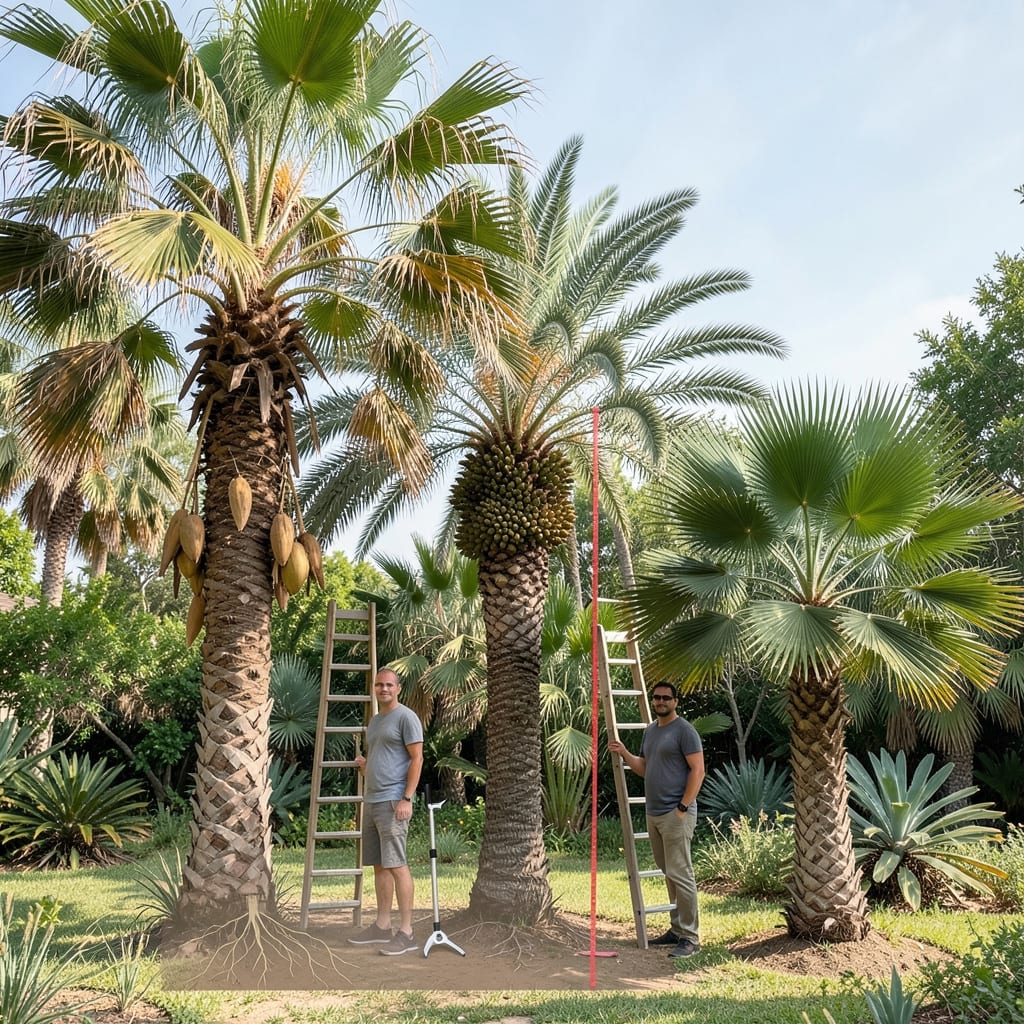
Ever wondered just how tall a 🌴 palm tree can grow? The answer might surprise you—some species stretch over 200 feet, while others stay perfectly manageable for even the smallest yards. Whether you're dreaming of a tropical skyline or just want a low-maintenance accent plant, understanding these growth ranges is the first step to picking the perfect palm for your space.
The key to unlocking a palm tree's full height potential lies in its species, climate, and care routine. Tropical giants like the Royal Palm thrive in warm zones 9b-11, while hardier varieties adapt to cooler microclimates. But here's the twist: even the tallest palms start small, making it easier than you think to incorporate them into your landscape—with the right knowledge, of course.
If you're working with limited space, don't worry—there are dwarf varieties that top out at just 15 feet, perfect for patios or even indoor decor. The secret? Choosing the right species for your growing conditions and giving it consistent care. I'll walk you through the tallest record-breakers, the best compact options, and the simple tricks to encourage healthy growth—no green thumb required.
Ready to transform your outdoor space? Let's dive into the world of palm trees, where every species has a story to tell about height, habitat, and how to nurture them to their full potential. You'll discover which palms fit your vision—and which ones might need a little more elbow room.


Tallest palm tree species: record heights and growth characteristics
If you're dreaming of a palm tree that reaches for the sky, you're in luck—some species grow taller than a 10-story building. The Royal Palm (Roystonea regia) holds the record as one of the tallest, soaring up to 100 feet in ideal conditions. Native to the Caribbean and Florida, this majestic palm thrives in USDA zones 9b-11 and grows about 3 feet per year under perfect care.
For coastal regions, the Coconut Palm (Cocos nucifera) is a close contender, reaching heights of 80-100 feet. Its rapid growth rate—up to 6 feet per year—makes it a favorite for tropical landscapes. Meanwhile, the Tall Palm (Archontophoenix cunninghamiana) from Australia can also hit 70-80 feet, perfect for humid subtropical climates.
But here's the twist: not all tall palms need a tropical paradise. The Windmill Palm (Trachycarpus fortunei), a hardy variety, tops out at 30-40 feet but tolerates USDA zone 7b, making it ideal for cooler regions. Its slow growth—about 1-2 feet per year—means it stays manageable even in smaller yards.
Now, let's talk about the giants of the palm world. The Borassus flabellifer, or Palmyra Palm, can reach staggering heights of 150-200 feet in its native South Asia. While it's not commonly grown in home gardens, it's a testament to how some palms defy expectations with their towering stature.
🌴
| Species | Max Height | Growth Rate | Native Region | USDA Zone |
|---|---|---|---|---|
| Royal Palm (Roystonea regia) | 100 ft | 3 ft/year | Caribbean, Florida | 9b-11 |
| Coconut Palm (Cocos nucifera) | 80-100 ft | 6 ft/year | Tropical coasts | 10-11 |
| Tall Palm (Archontophoenix cunninghamiana) | 70-80 ft | 2-3 ft/year | Australia | 9b-11 |
| Windmill Palm (Trachycarpus fortunei) | 30-40 ft | 1-2 ft/year | China, Himalayas | 7b-11 |
| Palmyra Palm (Borassus flabellifer) | 150-200 ft | 5-6 ft/year | South Asia | 10-11 |
The Royal Palm and Coconut Palm are the fastest growers, making them perfect for quick tropical vibes. However, their height means they need ample space—at least 20 feet of clearance for mature trees. If you're working with limited room, consider the Windmill Palm, which offers a more compact yet still impressive stature.
For those in cooler climates, the Windmill Palm is a game-changer. Its cold tolerance and slower growth make it easier to manage in smaller gardens. Plus, its fan-shaped fronds add a unique texture that complements modern and traditional landscapes alike.
If you're fascinated by the Palmyra Palm, remember that its extreme height and rapid growth require specialized care. It’s best suited for large estates or tropical botanical gardens where space isn’t an issue. For most home gardeners, the Royal Palm or Coconut Palm will deliver that dramatic skyline effect without the maintenance challenges.
🌳
Factors that determine palm tree height: soil, climate, and care secrets
Your palm tree's height isn't just about its species—it's a mix of soil quality, climate conditions, and how well you care for it. Think of it like baking a cake: even the best recipe needs the right ingredients and technique. For palms, the "recipe" includes well-draining soil, adequate sunlight, and proper watering. Skip any of these, and you'll end up with a stunted tree instead of the tropical giant you envisioned.
Let's start with soil type. Palms hate soggy feet—waterlogged roots lead to root rot, which slows growth and can even kill your tree. Sandy soil drains too quickly, while clay holds too much moisture. The sweet spot? Loamy soil with organic matter, like compost or peat moss. Amend your native soil with these to give your palm the perfect foundation for reaching its full height potential.
Next up: climate matters. Tropical palms like the Coconut Palm thrive in USDA zones 9b-11, where temperatures stay warm year-round. But hardier varieties, such as the Windmill Palm, can handle cooler zones down to 7b. If you're in a colder region, choose cold-tolerant species or plant your palm in a protected microclimate, like near a south-facing wall. Without the right climate, even the fastest-growing palms will struggle to reach their maximum height.
Now, let's talk watering wisdom. Overwatering is the #1 enemy of tall palms—it causes root suffocation and fungal diseases. Instead, aim for deep, infrequent watering. Give your palm a good soak once a week during dry spells, then let the top 2-3 inches of soil dry out before watering again. Mature palms are surprisingly drought-tolerant once established, but young trees need consistent moisture to grow strong and tall.
- Overwatering: Leads to root rot and weak growth. Fix: Let soil dry between waterings.
- Poor drainage: Water pools around roots. Fix: Amend soil with perlite or plant on a slope.
- Insufficient sunlight: Palms grow leggy in shade. Fix: Ensure 6+ hours of sun daily.
- Improper pruning: Cutting fronds too aggressively weakens the tree. Fix: Remove only dead/brown fronds.
Don't forget about pruning practices. Many gardeners make the mistake of pruning too much or at the wrong time. Palms only need pruning to remove dead or brown fronds—never cut healthy green fronds, as this reduces the tree's ability to photosynthesize and grow. Time your pruning for early spring, just as new growth begins. This encourages healthy expansion and helps your palm reach its full height potential.
Finally, fertilizer makes a difference. Use a balanced palm fertilizer (like 8-2-12 NPK) every 4-6 weeks during spring and fall. Avoid heavy feeding in summer or winter, as this can stress the tree. Think of fertilizer as a growth booster—it won't make a dwarf palm into a giant, but it will help any palm grow stronger and taller with proper care.
With the right soil, climate, and care routine, even a 10-foot dwarf palm can grow to its full potential—just like a 200-foot tropical giant can thrive in the right conditions. The secret is paying attention to the details and giving your palm what it needs to stretch toward the sky. 🌴