
Trees
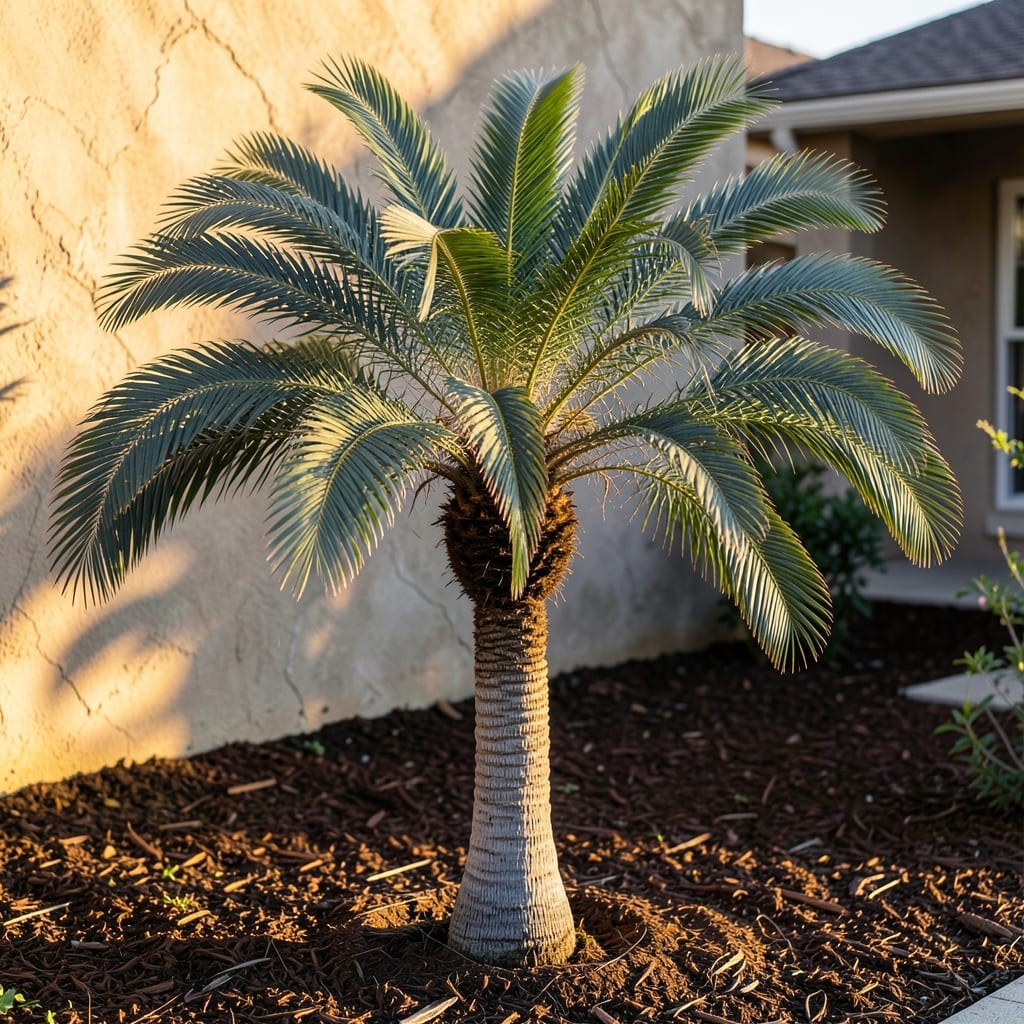
If you're wondering how tall do Alexander palms grow, the answer might surprise you—these stunning 🌴 tropical beauties stay impressively manageable with the right care, reaching heights that won’t overwhelm your yard.
Most Alexander palms mature between 15 and 30 feet, making them perfect for adding tropical flair without sacrificing space. Whether you're planting in USDA Zone 6a or a container, their growth rate is steady, so you can plan your landscape with confidence.
What truly sets them apart is their adaptability—sunlight, soil, and watering habits all play a role in their final height. I’ll show you exactly how to control their growth and keep them at your ideal size, whether you want a statement piece or a compact accent.
Ready to transform your outdoor space? Let’s dive into the factors that influence their height and how to nurture them for years of lush, tropical beauty.


Alexander palm height by variety: what to expect at maturity
Understanding Alexander palm height starts with recognizing that Archontophoenix alexandrae typically matures between 15 and 30 feet, depending on growing conditions and care. The most common variety, the standard Alexander palm, reaches its full height in about 10-15 years with consistent, optimal care.
For those with smaller spaces, the compact varieties like the 'Tropical Palm' variant can be pruned to stay between 10 and 15 feet, making them ideal for patios or balconies. Even in containers, these palms can thrive, though their growth rate may slow slightly compared to in-ground plantings.
Here’s what you need to know about their growth stages: in the first year, expect 1-2 feet of growth. By year three, your palm could be 6-10 feet tall, and by year five, it will start resembling its mature form.
If you’re planning your landscape, consider that Alexander palms grow at a rate of about 1-2 feet per year under ideal conditions. This steady growth allows for easy planning, whether you’re aiming for a tropical accent or a privacy screen.
| Variety | Mature Height | Growth Rate (Per Year) | Best For |
|---|---|---|---|
| Standard Alexander Palm | 15-30 ft | 1-2 ft | Large yards, privacy screens |
| Compact 'Tropical Palm' | 10-15 ft | 1 ft | Containers, patios, small spaces |
| Dwarf Varieties | 8-12 ft | 0.5-1 ft | Balconies, small gardens |
When it comes to visual growth patterns, Alexander palms develop a single, slender trunk that remains relatively straight, even as they grow taller. Their feathery fronds can span 3-5 feet wide, adding to their tropical appeal without taking up excessive horizontal space.
One of the most appealing aspects of these palms is their slow-to-moderate growth rate. Unlike faster-growing palms that can quickly become overwhelming, Alexander palms give you time to adjust your landscape plans as they grow. This makes them a great choice for long-term landscaping.
If you’re curious about how their height compares to other elements in your yard, imagine a two-story house (20-25 feet)—most Alexander palms will reach or exceed this height at maturity. This makes them perfect for creating a dramatic focal point in your outdoor space.
For those in USDA Zone 6a, where winters can be chilly, Alexander palms are hardy to about 15°F. This cold tolerance means they can survive in areas where other tropical palms might struggle, though their growth rate may slow during colder months.
To ensure your Alexander palm reaches its full potential height, focus on providing well-draining soil, consistent moisture, and full sun exposure. These three factors are critical for maximizing their growth while keeping them healthy and vibrant.
Factors that influence Alexander palm growth height (and how to control it)
If you're wondering how to manage the height of your Alexander palm, you’ll need to focus on four key factors: sunlight exposure, soil quality, watering habits, and pruning techniques. Each of these plays a critical role in determining whether your palm grows tall and lanky or stays compact and bushy.
First, sunlight is non-negotiable—Alexander palms thrive in full sun (6+ hours daily). Without enough light, they’ll grow slower and may develop weak, leggy trunks. If your palm isn’t getting sufficient sunlight, consider relocating it to a sunnier spot or supplementing with a grow light during winter months.
Next, soil drainage is everything. These palms despise soggy roots, which can stunt growth or even kill them. Amend heavy clay soil with compost or sand to improve drainage. Well-draining soil ensures steady growth without the risk of root rot, which can halt height progression entirely.
Alexander palms need consistent moisture, but overwatering is a common mistake that slows growth. Let the top 2-3 inches of soil dry between waterings. In containers, this means watering every 5-7 days, while in-ground palms may only need watering every 10-14 days.
Pruning is where you can actively control height. Unlike many palms, Alexander palms tolerate selective frond removal to encourage bushier growth. Focus on removing older, yellowing fronds from the bottom of the trunk—this redirects energy upward, keeping the palm fuller and slightly shorter. Avoid heavy pruning, as it can stress the plant and slow growth temporarily.
For container-grown palms, height can be managed more aggressively. Use a large, deep pot (at least 2 feet in diameter) to accommodate root growth, and repot every 2-3 years to refresh the soil. Root-bound palms grow slower, so pruning roots during repotting can help maintain a more compact size.
Finally, fertilizing smartly ensures steady growth without sudden height spikes. Use a balanced 6-6-6 fertilizer every 6-8 weeks during spring and summer. Avoid heavy nitrogen in fall or winter, as this can encourage weak, fast growth that’s prone to disease. A light feeding in early spring is ideal for kickstarting healthy growth.
By mastering these factors, you can keep your Alexander palm at your desired height, whether you want a tall statement piece or a compact patio palm. The key is consistency—give them what they need, and they’ll reward you with years of lush, tropical beauty.