
How To
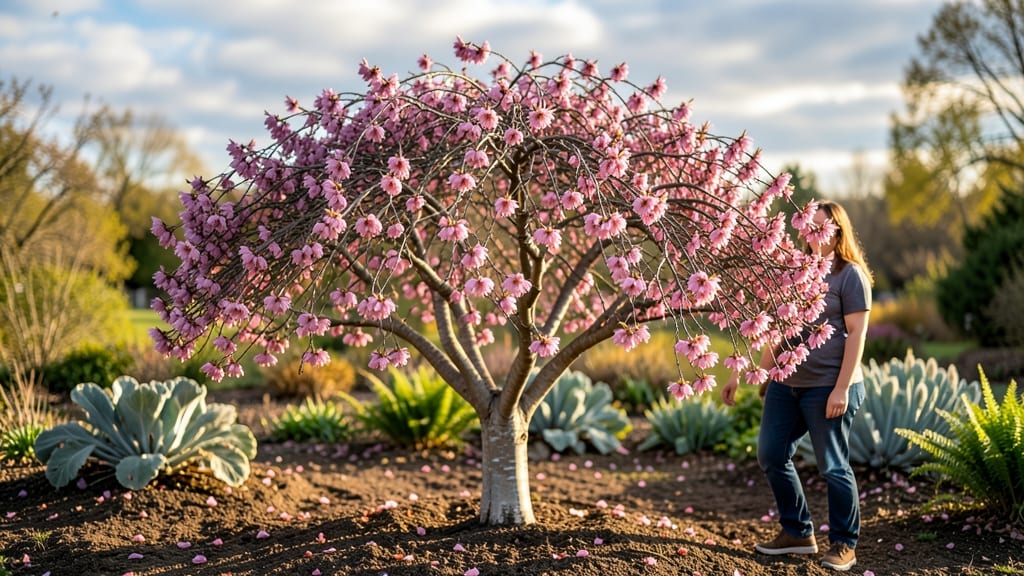
If you're wondering how tall does a redbud tree grow, the answer depends on the variety you choose—because this stunning 🌳 can range from a compact shrub to a small tree reaching 30 feet tall!
Whether you're planning a small garden or a large landscape, knowing these height differences is the key to selecting the perfect redbud for your space.
Most redbud trees mature between 10 and 30 feet, but dwarf varieties like 'Lavender Twist' stay under 12 feet, making them ideal for tight yards. Meanwhile, standard types like the eastern redbud can stretch toward 25 feet, offering dramatic spring blooms for spacious properties.
The good news? Their growth rate is steady, so you can plan your landscape with confidence.
What influences their height? Factors like soil quality, sunlight exposure, and pruning habits play a role, but genetics are the biggest determinant. Some cultivars grow wider than tall, while others shoot upward—so knowing your space and goals helps you pick the right match.
Ready to find the perfect fit for your garden?
In this guide, I’ll break down the exact height ranges by variety, growth rates, and tips for managing size—so you can plant with precision and enjoy years of vibrant spring color. Let’s dive in!


Redbud tree height ranges by variety: from dwarf to giant
Redbud trees (Cercis canadensis) are famous for their stunning spring blooms, but their mature height varies dramatically depending on the variety.
If you're planning your landscape, knowing these height ranges will help you choose the perfect tree for your space—whether you have a cozy small yard or a spacious backyard. Some varieties stay compact, while others grow tall enough to shade an entire patio.
The eastern redbud, the most common species, typically reaches 20–30 feet tall at maturity, but its height can be influenced by pruning, soil quality, and climate.
For example, in USDA Zone 5, growth may be slightly slower, while in Zone 7 or warmer, trees can grow faster and taller. Let’s break down the exact height ranges for popular redbud varieties so you can make an informed choice.
| Variety | Mature Height (ft) | Spread (ft) | Growth Rate | Best For |
|---|---|---|---|---|
| Eastern Redbud | 20–30 ft | 25–35 ft | Moderate | Large landscapes, shade trees |
| 'Forest Pansy' | 15–20 ft | 15–20 ft | Slow to moderate | Medium gardens, accent tree |
| 'Royal Purple' | 12–15 ft | 12–15 ft | Slow | Small yards, containers |
| 'Merlot' | 10–12 ft | 10–12 ft | Slow | Tight spaces, urban gardens |
| 'Lavender Twist' | 8–10 ft | 8–10 ft | Slow | Small yards, patios |
| Western Redbud | 10–15 ft | 10–15 ft | Moderate | Drought-prone areas, slopes |
If you're working with limited space, dwarf varieties like 'Merlot' or 'Lavender Twist' are excellent choices, topping out around 8–12 feet tall. These compact trees are perfect for small yards or even large containers, where you can enjoy their vibrant blooms without sacrificing your lawn or patio area.
On the other hand, the standard eastern redbud is better suited for larger properties where its full height and spread can be appreciated.
Another key factor influencing height is the growth rate. For instance, 'Forest Pansy' grows at a slow to moderate pace, while the western redbud can grow more quickly in ideal conditions.
Understanding these rates helps you predict how long it will take for your tree to reach its mature height, so you can plan accordingly.
For example, a 10-foot tree like 'Merlot' might take about 5–7 years to reach maturity, while a 20-foot tree like the eastern redbud could take 10–15 years.
Pruning also plays a significant role in managing a redbud tree's height. Regular pruning in late winter or early spring can help control its growth and shape it to fit your landscape.
For instance, if you plant an eastern redbud near your home and want to keep it shorter, pruning the top branches will encourage a fuller, bushier shape while limiting vertical growth. Just be sure to avoid heavy pruning during the blooming season, as this can reduce next year’s flowers.
Climate also affects height. In cooler climates (USDA Zone 5 or below), redbud trees may grow more slowly and stay slightly shorter due to shorter growing seasons. Conversely, in warmer climates (Zone 7 and above)
Redbud tree height ranges by variety: from dwarf to giant
Redbud trees (Cercis canadensis) are famous for their stunning spring blooms, but their mature height varies dramatically by variety. The eastern redbud, the most common species, typically reaches 20 to 30 feet tall at maturity, while some dwarf cultivars stay under 10 feet.
Knowing these ranges helps you choose the perfect redbud for your space—whether it's a cozy backyard or a sprawling estate.
Most redbud varieties fall into three height categories: small (under 10 ft), medium (10–20 ft), and large (20+ ft). The standard eastern redbud leans toward the larger end, while 'Lavender Twist' and 'Merlot' stay compact.
Even within species, growth habits can differ based on pruning, soil quality, and climate conditions, so always check cultivar-specific details.
| Variety | Mature Height (ft) | Spread (ft) | Growth Rate |
|---|---|---|---|
| Eastern Redbud (Cercis canadensis) | 20–30 | 25–35 | Moderate |
| 'Forest Pansy' | 15–20 | 20–25 | Slow to Moderate |
| 'Royal Purple' | 12–15 | 15–20 | Slow |
| 'Lavender Twist' | 8–12 | 10–12 | Slow |
| 'Merlot' | 10–12 | 10–15 | Slow |
| Western Redbud (Cercis occidentalis) | 15–25 | 15–20 | Moderate |
The eastern redbud is the most widely grown variety, often reaching 25 to 30 feet in ideal conditions. Its sprawling branches create a stunning canopy, but it needs ample space to thrive.
For smaller gardens, 'Lavender Twist' and 'Merlot' are excellent choices, topping out at just 8 to 12 feet. These dwarf varieties are perfect for patio plantings or small urban yards where space is limited.
If you love the deep purple foliage of 'Forest Pansy' or 'Royal Purple', expect a medium-sized tree (12–20 ft). These varieties offer the best of both worlds—compact growth and showstopping color.
For a unique twist, consider the western redbud, which grows slightly taller but adapts well to drier climates like those in the Southwest.
To encourage optimal growth, plant your redbud in well-draining soil with full sun to partial shade. Regular pruning in late winter helps maintain shape and prevents overgrowth. With the right variety and care, your redbud can thrive for decades, becoming a centerpiece of your landscape every spring.
For those with limited space, don’t overlook the weeping redbud varieties, which grow 10–15 feet tall but feature dramatic, cascading branches. These are ideal for small gardens or as specimen plants near patios or decks.
Always check the nursery tag for exact height expectations, as growth rates can vary slightly by region.