
How To
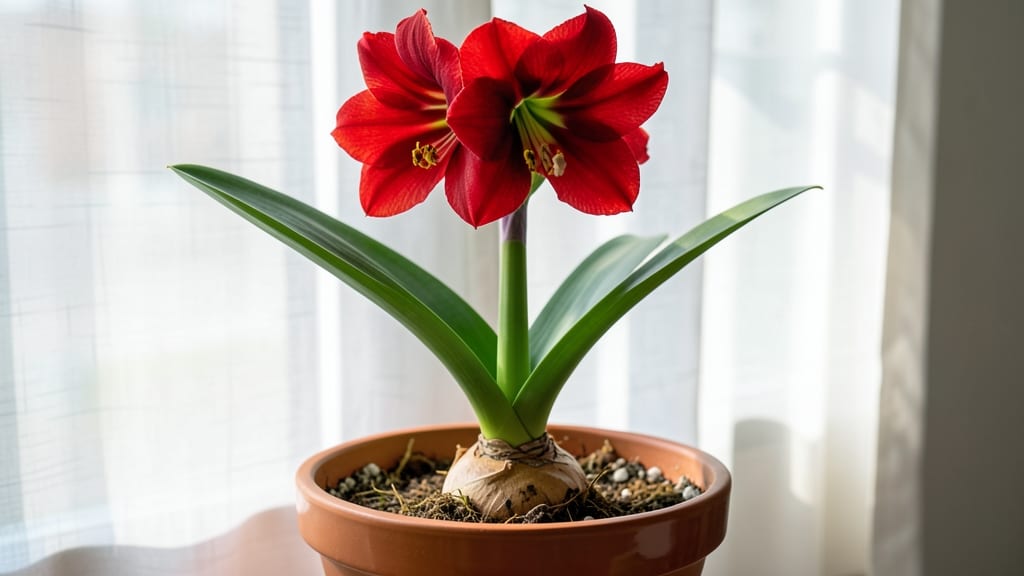
If you're dreaming of a showstopping houseplant that blooms like a tropical vacation, the amaryllis 🌸 might just steal the spotlight—but first, you need to know how tall it’ll grow.
The answer isn’t one-size-fits-all, because some varieties stretch toward the ceiling while others stay compact enough for a coffee table centerpiece.
Most amaryllis plants reach between 1 and 2 feet tall, but that’s just the starting point. The real magic happens when you factor in light exposure, pot size, and even the specific cultivar you’ve chosen.
A Red Lion might shoot up to nearly 3 feet under ideal conditions, while dwarf varieties like 'Mini Max' stay under 12 inches—perfect for small spaces.
Here’s the game-changer: sunlight doesn’t just affect bloom size—it directly impacts height. Too little light, and your amaryllis will grow leggy and weak. Too much direct sun, and you might end up with a 4-foot giant that needs a trellis.
I’ll show you how to strike the perfect balance so your plant thrives without taking over your living room.
Ready to unlock the secrets behind your amaryllis’s growth potential? Let’s dive into the varieties, light tricks, and care hacks that’ll help you grow the exact height you want—whether you’re aiming for a dwarf showpiece or a floor-filling statement.


Amaryllis height by variety: from compact to sky-high bloomers
Amaryllis plants—specifically the Hippeastrum genus—are famous for their dramatic flower stalks, but their mature height can vary wildly. The flower stalk (not the foliage) determines most of the vertical drama, typically reaching 12 to 36 inches depending on the variety.
However, some hybrid types can surprise you with 48-inch stalks under ideal conditions! The key is understanding whether you're growing a standard variety, dwarf type, or a hybrid.
Don't confuse flower stalk height with the plant's overall foliage spread. While the stalk soars upward, the leaves usually stay between 12 to 24 inches tall and spread 6 to 12 inches wide.
This means your amaryllis might not become a ceiling-topper unless you're dealing with an exceptionally tall variety like 'Red Lion' or 'Paradise'.
Here’s the critical distinction: flower stalk height ≠ plant height. The stalk emerges from the bulb and can grow 3x taller than the surrounding foliage. For example, a 24-inch stalk on a 12-inch leaf base still counts as a 24-inch-tall plant in gardening terms.
Now, let’s dive into the varieties that define the spectrum—from compact bloomers perfect for small spaces to showstopper stalks that demand ceiling clearance.
| Variety | Flower Stalk Height | Foliage Height | Notes |
|---|---|---|---|
| 'Apple Blossom' | 18-24 inches | 12-18 inches | Classic pink blooms; great for indoor pots. |
| 'Black Pearl' | 24-30 inches | 12-16 inches | Deep maroon flowers; needs bright light. |
| 'Red Lion' | 30-36 inches | 16-20 inches | Bold red blooms; may need staking. |
| 'Paradise' | 36-48 inches | 18-24 inches | Tallest variety; needs spacious pots. |
| 'Minerva' | 12-18 inches | 10-14 inches | Dwarf variety; ideal for small spaces. |
Hybrid varieties like 'Paradise' or 'Red Lion' often produce the tallest stalks, while dwarf types such as 'Minerva' stay under 18 inches.
If you’re growing amaryllis in containers, choose a pot with a minimum 6-inch depth to accommodate the bulb’s root system, which directly impacts stalk strength and height.
Pro tip: The first-year stalk from a newly planted bulb is often shorter than subsequent years. Give your amaryllis 6-8 weeks of bright indirect light before blooming to encourage maximum height potential in future seasons.
For outdoor gardeners, amaryllis thrives in USDA Zones 7-11 and can reach its full height potential when planted in well-draining soil with partial sun exposure. In cooler zones, treat it as an annual or dig up bulbs before frost to protect them for next year’s growth.
Misconception alert: Many gardeners assume all amaryllis varieties grow equally tall. In reality, genetics play 60% of the role, while light, water, and care habits influence the remaining 40%.
A 'Black Pearl' left in low light might only reach 18 inches, while the same variety in optimal conditions can hit 30+ inches.
🌸
How light conditions dramatically alter amaryllis growth height
Amaryllis plants are like sun-seeking superstars—they stretch toward light, but too much or too little can drastically alter their height and bloom quality. In low-light conditions, your amaryllis may grow shorter and stockier, with smaller blooms that struggle to reach their full potential.
This happens because the plant conserves energy, focusing on survival rather than vertical growth. Think of it like a dwarf variety trapped in a standard-light environment—it won’t reach its true height.
On the flip side, ideal light exposure (about 6 hours of bright, indirect sunlight daily) encourages balanced growth. Your amaryllis will typically reach its average height of 20-36 inches, with sturdy stems and vibrant blooms.
This sweet spot mimics their natural South American habitat, where they thrive under dappled sunlight. Without enough light, you’ll notice leggy stems and fewer blooms, while too much direct sun can cause sunburn on leaves and excessive height spikes.
Here’s the kicker: excessive sunlight can push your amaryllis to grow taller than expected, sometimes even 48+ inches in extreme cases. This happens because the plant stretches desperately toward light, sacrificing stem strength for height.
Imagine a tall, wobbly stalk bending under the weight of its own blooms—this is a classic sign of over-exposure. The good news? You can control this growth with simple adjustments to your plant’s environment.
🌞 How Light Affects Amaryllis Height
- Low Light (Under 4 hours/day): Stunted growth (12-20 inches), smaller blooms, risk of fungal issues from damp foliage.
- Ideal Light (4-6 hours/day): Balanced height (20-36 inches), robust stems, vibrant blooms, and healthy foliage.
- Excessive Light (Over 6 hours/day): Tall, leggy growth (36-48+ inches), weak stems, sunburn risk on leaves.
- Direct Sun (Afternoon): Can cause leaf scorch and height spikes—avoid harsh midday rays.
- Indirect Sun (Morning): Best for controlled growth—gentle warmth without overheating.
To maximize bloom quality and control height, place your amaryllis near an east-facing window for morning sun or a west-facing window for afternoon light. If you’re growing it indoors, rotate the pot quarter-turns weekly to ensure even light exposure.
This prevents lopsided growth and encourages balanced stem development. For outdoor amaryllis, partial shade during peak afternoon hours can prevent height spikes while still promoting blooming.
Pro tip: If your amaryllis starts stretching too tall, move it to a shadier spot immediately. The plant will respond within days by slowing its vertical growth and focusing on stem thickening.
This is especially useful if you’re growing a tall variety like 'Red Lion' and want to keep it stable and sturdy. Conversely, if your plant is too short, supplement with a grow light for 12-14 hours/day to encourage upward growth.
Remember, light isn’t the only factor—watering and fertilizer also play roles in height control. But mastering light exposure gives you the biggest leverage over your amaryllis’s growth trajectory. With the right balance, you’ll enjoy perfectly proportioned blooms that fit beautifully in your space—no ceiling fan collisions required! 🌸