
How To
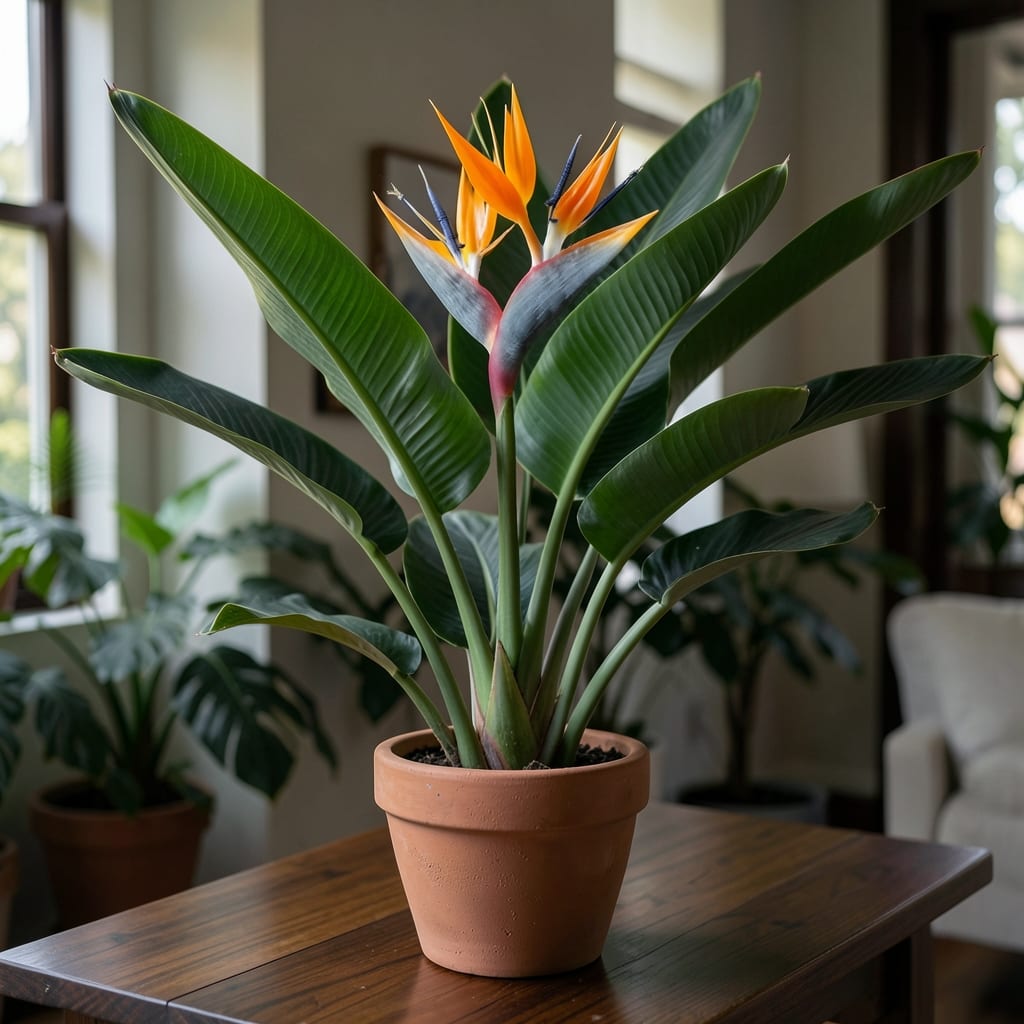
If you're wondering how tall can a Bird of Paradise 🌺 grow, the answer might surprise you—this tropical stunner can reach heights that rival small trees! Whether you're dreaming of a lush outdoor garden or a dramatic indoor statement plant, understanding its growth potential is key to creating the perfect space for it.
Native to South Africa, the Bird of Paradise thrives in warm climates, but even in cooler zones like 6a, it can still grow impressively with the right care. Some varieties stay compact, while others shoot up to 12 feet or more, making them a stunning focal point in any landscape. The secret to unlocking its full height lies in sunlight, soil, and a little patience.
What sets this plant apart is its adaptability—whether you're planting it in spring or nurturing it indoors, you can influence its growth trajectory. From dwarf varieties perfect for patios to towering giants that dominate outdoor spaces, we'll break down exactly what to expect and how to encourage healthy growth.
Ready to transform your garden or home with this eye-catching beauty? Let’s explore the factors that determine just how tall your Bird of Paradise can grow—and how to help it reach its full potential.


Bird of Paradise height by variety: compact to towering giants
The Bird of Paradise (Strelitzia) isn't one-size-fits-all when it comes to height. Different varieties offer dramatic differences in mature size, from 6-foot patio stars to 12-foot jungle giants. Choosing the right variety ensures your plant thrives in your space while meeting your vision. Let’s explore the height ranges and growth habits of the most popular types.
For gardeners with limited space, Strelitzia juncea (White Bird of Paradise) is your best bet, typically reaching 8-10 feet but staying more slender and elegant. Its arching leaves create a graceful silhouette that works beautifully in small gardens or containers. Meanwhile, Strelitzia reginae (Orange Bird of Paradise) is the classic showstopper, often growing 6-8 feet tall—perfect for adding tropical drama without overwhelming your landscape.
If you’re aiming for a statement plant indoors, look for dwarf varieties like Strelitzia nicolai (Giant White Bird of Paradise), which can still reach 10-12 feet outdoors but stays more manageable in large containers. Its broad, banana-like leaves make it a living room centerpiece when kept indoors near a south-facing window.
Here’s how these varieties compare in terms of mature height and growth habits:
| Variety | Mature Height (Outdoors) | Indoor Height (Container) | Growth Rate | Best For |
|---|---|---|---|---|
| Strelitzia reginae | 6-8 ft | 4-6 ft | Moderate (1-2 ft/year) | Garden borders, patio focal points |
| Strelitzia nicolai | 10-12 ft | 6-8 ft | Fast (2-3 ft/year) | Large containers, indoor statement plants |
| Strelitzia juncea | 8-10 ft | 5-7 ft | Slow to moderate (1 ft/year) | Small gardens, urban patios |
| Hybrid Varieties (e.g., 'Mandarin Sun') | 5-7 ft | 3-5 ft | Moderate (1.5 ft/year) | Containers, mixed borders |
One key factor to note is how container size affects height. When grown in pots, Bird of Paradise plants naturally stay shorter and bushier due to root restriction. For example, a Strelitzia nicolai that reaches 12 feet outdoors might only hit 6-8 feet indoors in a 15-gallon container. This makes them ideal for apartment living or balcony gardens.
Climate also plays a role in height potential. In USDA Zone 10 or warmer, these plants grow faster and taller thanks to year-round warmth. But even in Zone 6a, with proper winter protection (like mulching and wrapping), they can still thrive and reach impressive heights over time.
If you’re planning to plant in spring, choose your variety based on both height goals and your garden’s sunlight exposure. A south-facing spot with 6+ hours of sun will encourage faster, healthier growth compared to shadier areas.
How climate and care affect Bird of Paradise growth height
Your Bird of Paradise’s height isn’t just about the variety—it’s also a direct reflection of its growing environment. Sunlight exposure, soil quality, and watering habits can push your plant toward its maximum potential or stunt its growth entirely. For example, a Strelitzia nicolai might only reach 6 feet indoors with 4 hours of light daily, while the same plant outdoors in Zone 10 could soar to 12 feet with full sun.
Let’s break down the key factors that influence height, so you can create the perfect conditions for your tropical beauty. Whether you’re aiming for a tall garden focal point or a compact container plant, understanding these elements will help you guide its growth trajectory.
Here are the top 5 factors that determine how tall your Bird of Paradise will grow:
- 🌞 Sunlight: Needs 6+ hours of direct sun daily for optimal growth. Less light = slower growth and leggy stems.
- 🌱 Soil: Prefers well-draining, slightly acidic soil (pH 6.0-6.5). Compacted or waterlogged soil restricts root growth, limiting height.
- 💧 Watering: Overwatering causes root rot, while underwatering slows growth. Aim for deep watering 1-2 times per week in summer.
- 🌡️ Temperature: Thrives in 70-85°F. Below 50°F, growth slows dramatically—protect with mulch in Zone 6a winters.
- ✂️ Pruning: Regular pruning encourages bushier growth and prevents legginess. Cut back 1/3 of stems in early spring to maintain shape.
One common misconception is that Bird of Paradise plants grow taller in containers. In reality, the opposite is true: root-bound plants grow slower and stay shorter due to restricted space. If you’re growing yours in a pot, upgrade to a 15+ gallon container every 2-3 years to encourage vertical growth.
For outdoor plants, winter care is critical in cooler climates. In Zone 6a, wrap the base with burlap and add a 3-inch layer of mulch to protect roots from freezing. This ensures your plant resumes vigorous growth in spring without setbacks.
If you’re aiming for maximum height, focus on these three priorities: full sun exposure, well-draining soil, and consistent watering. With these in place, your Bird of Paradise will reward you with lush, tropical growth that rivals its wild counterparts.